Alpha Terpineol
Alpha Terpineol delivers the crisp, clean snap of fresh pine needles with a soft floral whisper. Found naturally in tea tree, eucalyptus, and petitgrain, this monoterpene alcohol anchors countless fragrances with its unmistakable fresh character.

Character
How it smells
The clean snap behind a thousand fresh scents
Alpha Terpineol occurs naturally in over 150 plant species, from lilac blossoms to cannabis, yet most commercial production starts with turpentine.





Origin
France
Alpha Terpineol's story begins in the forests of the 19th century, when chemists first turned their attention to turpentine, the pungent resin distilled from pine stumps. In the 1850s, French researchers experimenting with pinene hydration discovered that treating turpentine with dilute acids produced a fragrant alcohol with an unexpectedly smooth, lilac-like character.
This discovery arrived at a pivotal moment in perfumery history. Until then, fresh, clean accords in fragrance relied almost entirely on costly essential oils like bergamot and lavender. Alpha terpineol offered a way to construct fresh top notes at scale, and synthetic production took root rapidly across European fragrance houses.
By the early 1900s, alpha terpineol had become a workhorse ingredient in soap perfumes, detergents, and household products. Its stability in alkaline environments made it especially valuable where citrus oils would oxidize and turn rancid. The compound's mild antibacterial properties, documented later in dermatological studies, gave it an early foothold in medicinal and cleaning applications.
The mid-20th century saw terpineol chemistry expand beyond pinene hydration. Researchers developed catalytic routes and explored bio-based feedstocks, laying groundwork for today's specialty grades. A 2008 toxicological review by Bhatia and colleagues cemented its safety profile for cosmetic use.
Today, alpha terpineol remains one of the highest-volume aroma chemicals produced worldwide, a quiet backbone of freshness in everything from mass-market detergents to niche floral compositions.
Wears it best
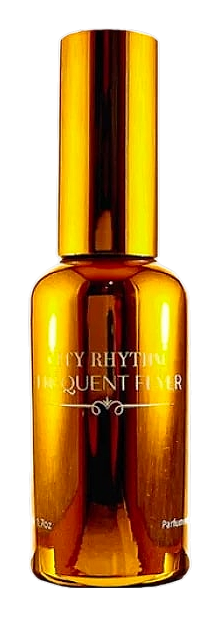
Fragrances featuring Alpha Terpineol
Brands
Brands known for Alpha Terpineol
Good to know
Questions, answered
The essentials on Alpha Terpineol in perfumery: how it smells, where it comes from, and how it behaves on skin.
What does alpha terpineol smell like?
Alpha terpineol smells fresh, clean, and slightly floral with a pine-like crispness. It carries a softer, more rounded character than pure pinene, often described as lilac-tinged. This scent profile makes it a staple for building fresh top notes.
Is alpha terpineol natural or synthetic?
Both forms exist. Natural alpha terpineol is steam-distilled from pine oil, cajeput, or petitgrain. Synthetic alpha terpineol is produced by hydrating alpha-pinene from turpentine. The two are chemically identical and smell the same.
Is alpha terpineol safe for skin?
Yes. A 2008 toxicological review by Bhatia et al. concluded that alpha terpineol is safe for use in cosmetic and fragrance applications at typical concentrations. It shows low skin irritation potential and is approved by IFRA for unrestricted use up to standard formulation limits.
Which essential oils contain alpha terpineol?
Alpha terpineol occurs naturally in over 150 plant species. Notable sources include tea tree oil, pine oil, eucalyptus, cajeput, petitgrain, marjoram, and lilac. Concentration varies widely by species, growing region, and harvest conditions.
Why is alpha terpineol used in cleaning products?
Alpha terpineol delivers a fresh, clean scent that masks chemical odors while resisting breakdown in alkaline formulas where citrus oils degrade. It also shows mild antimicrobial activity, adding functional value beyond fragrance in soaps and surface cleaners.
What is the difference between alpha and beta terpineol?
Alpha and beta terpineol are structural isomers with different double-bond positions. Alpha terpineol smells fresher and more pine-lilac, while beta terpineol carries a warmer, more earthy-damp character with hyacinth-like nuances. Alpha is far more common in commercial fragrance use.
When was alpha terpineol first synthesized?
Alpha terpineol was first synthesized in the 1850s by French chemists who hydrated pinene from turpentine using dilute mineral acids. This early synthesis helped launch the modern aroma-chemical industry and made fresh accords affordable at scale.
Can alpha terpineol be used in natural perfumery?
Yes, if sourced from steam-distilled pine or petitgrain oil. However, most alpha terpineol in commerce is synthetic. Natural perfumers seeking certified-natural formulas should verify the ingredient's provenance, as both versions are chemically indistinguishable by smell alone.
In the same family