Almond Bud
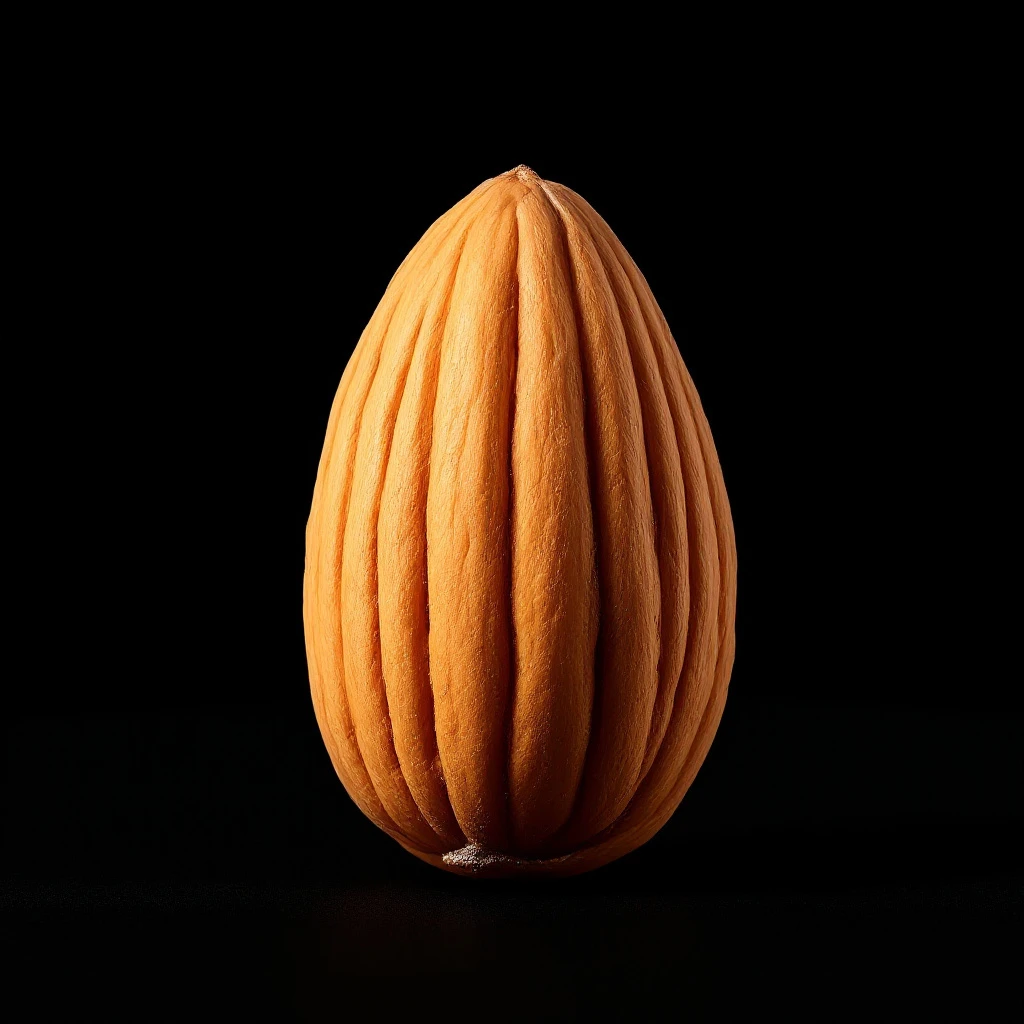
Almond Bud captures the delicate, creamy sweetness of early spring almond blossoms before they fully unfurl. This ephemeral note bridges the gap between nutty warmth and powdery florals, adding depth and gourmand softness to fragrance compositions.
Character
How it smells
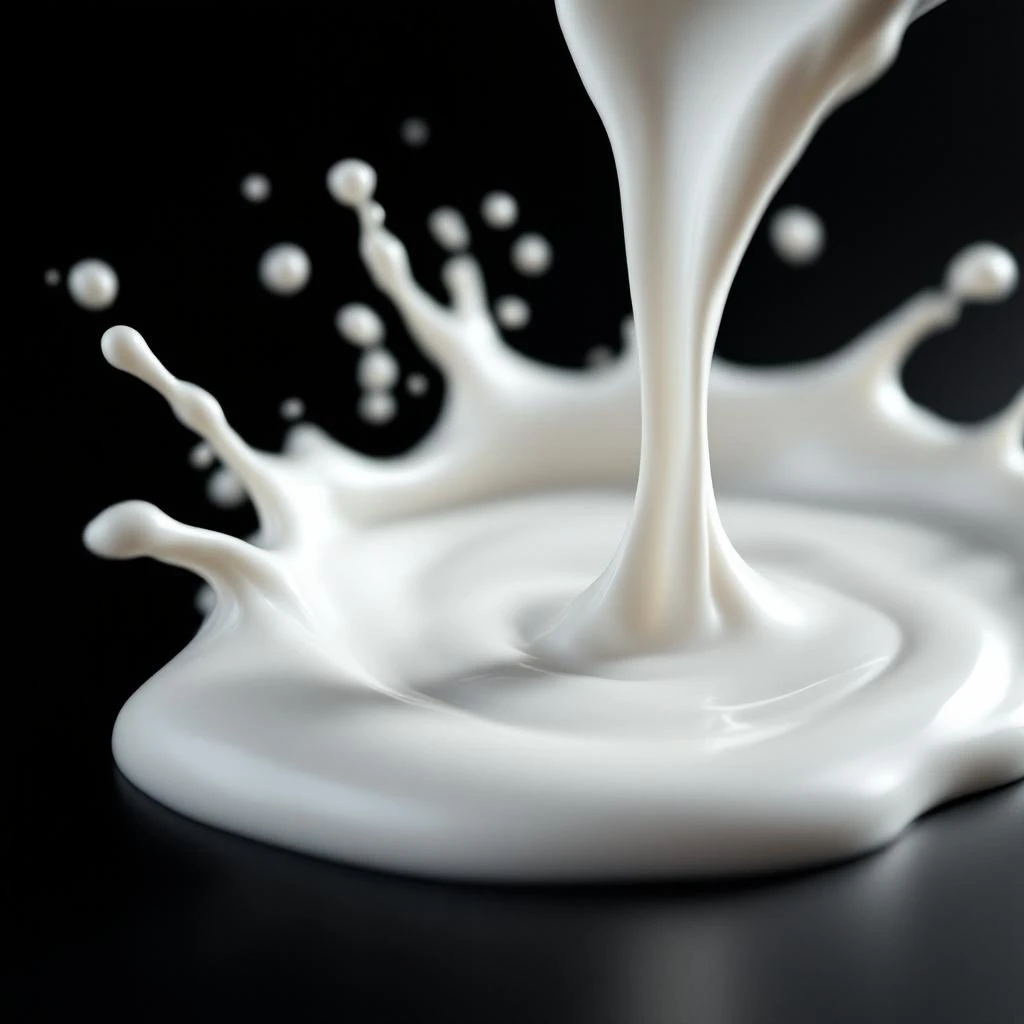
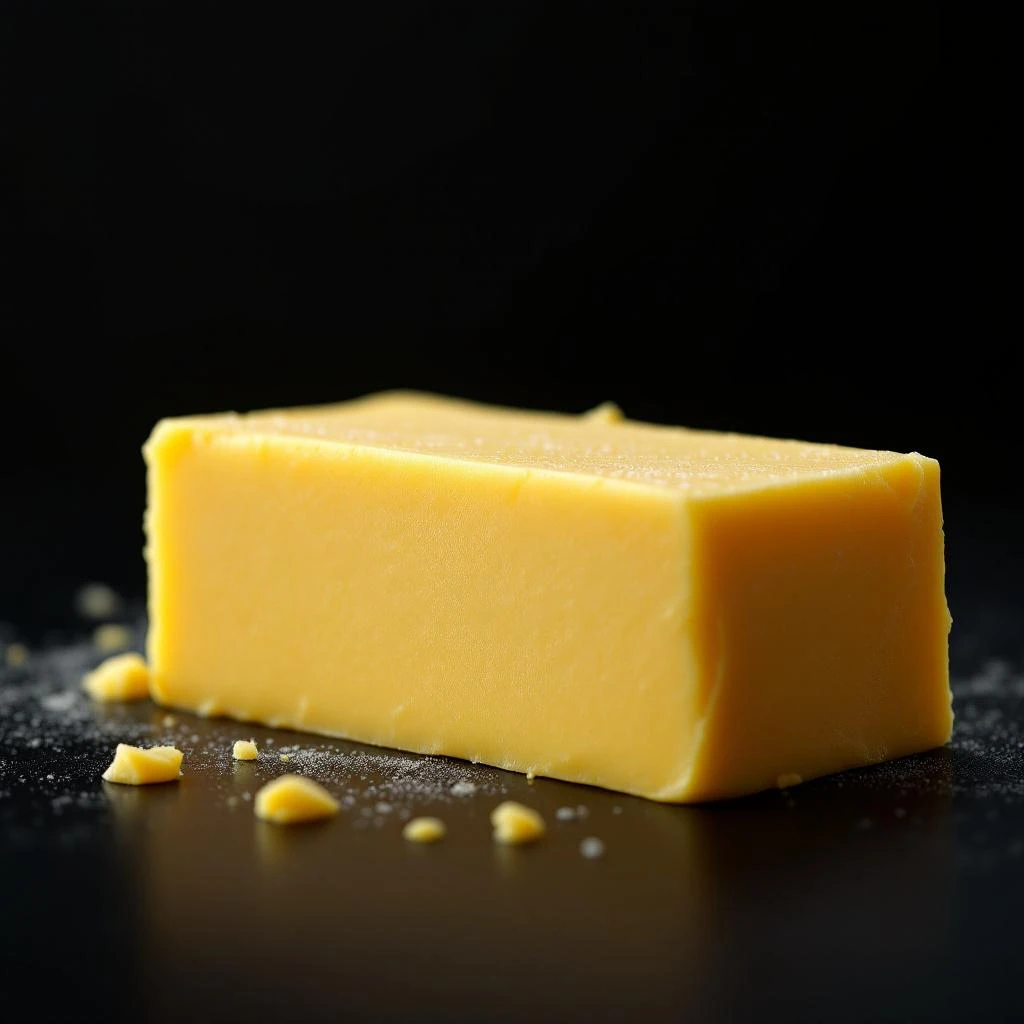
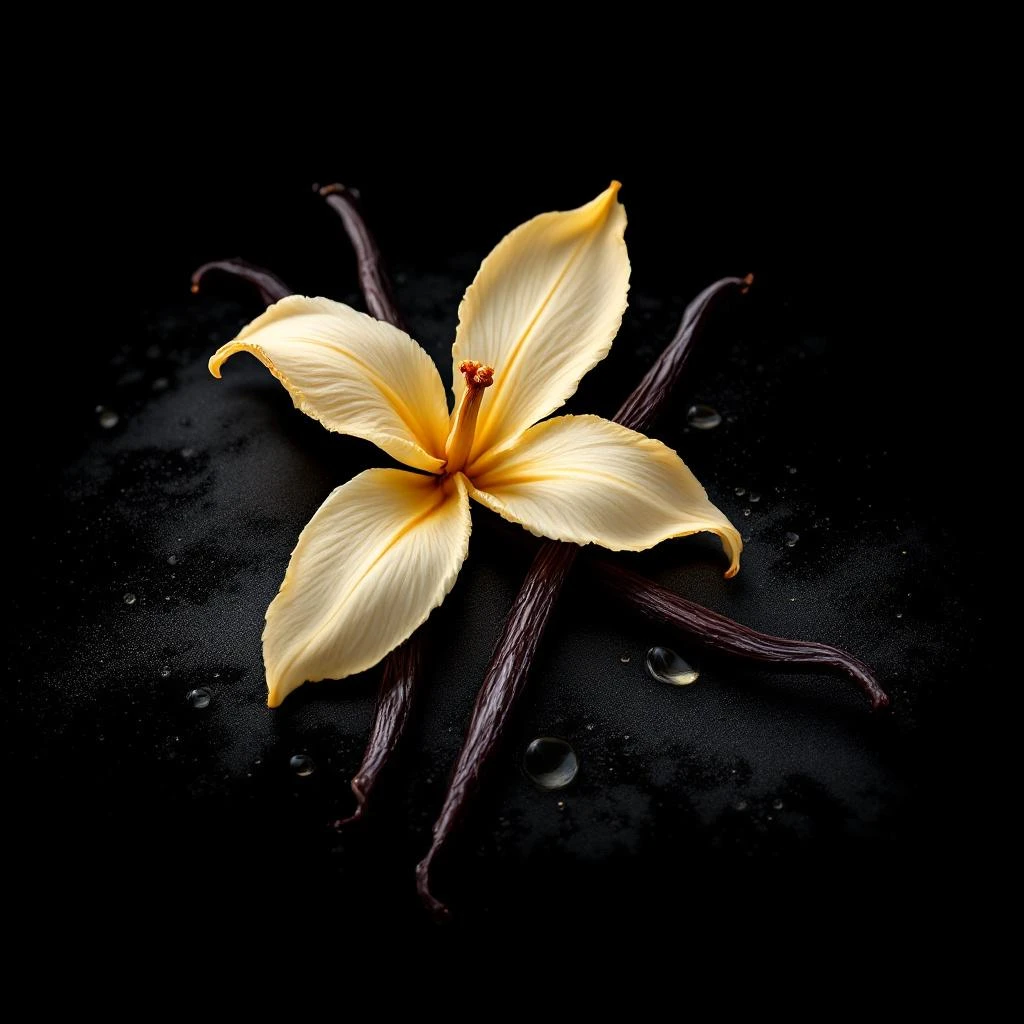
Creamy sweetness with a whisper of spring blossoms
Bitter almonds contain naturally occurring hydrogen cyanide. Only processing removes this compound, leaving behind the beloved benzaldehyde that defines the almond scent we know.



Origin
Mediterranean Basin (cultivation origin)
Almond has perfumed human civilization since antiquity, though its path into fragrance was indirect. Ancient Egyptians incorporated almond-scented preparations into religious ceremonies, valuing the nut's aromatic and preservative qualities.
The aromatic compound benzaldehyde was first isolated in 1832 by German chemist Wilhelm Haarmann, who later synthesized vanillin. By 1869, perfumers sought to recreate the bewitching scent of heliotrope flowers, which naturally share almond-like notes through their heliotropin content.
This led to wider adoption of almond-scented materials in European perfumery. The late nineteenth century commercial synthesis of aroma compounds transformed almond notes from luxury ingredients into accessible perfume components, enabling their use across all price tiers of the fragrance industry.
Wears it best
Fragrances featuring Almond Bud

Brands
Brands known for Almond Bud
Good to know
Questions, answered
The essentials on Almond Bud in perfumery: how it smells, where it comes from, and how it behaves on skin.
What does Almond Bud smell like?
Almond Bud reads as a soft, creamy sweetness with bitter-sweet depth. It combines marzipan warmth with faint cherry and vanilla undertones, creating a gourmand character that feels comforting rather than linear.
Is Almond Bud a natural or synthetic ingredient?
Both natural and synthetic forms exist. Natural benzaldehyde derives from apricot kernels or bitter almonds. Synthetic benzaldehyde is chemically identical, offering consistent aroma without natural variation.
Which fragrance families use Almond Bud notes?
Gourmand and oriental fragrances most commonly feature almond notes. You will also find them in certain florals, especially heliotrope compositions, and amaretto-inspired men's fragrances.
Is Almond Bud safe for skin application?
Benzaldehyde requires processing to remove naturally occurring compounds found in raw bitter almonds. Refined cosmetic-grade almond extract and synthetic benzaldehyde are considered safe for dermal use at standard concentrations.
What fragrance accords pair well with almond?
Vanilla amplifies almond's sweetness. Tonka bean adds coumarin depth. Cherry and heliotrope extend its floral dimension. Musks provide a clean base that lets almond's warmth linger.
How long does almond note last in a perfume?
Benzaldehyde acts as a top to heart note with moderate tenacity. On skin, expect 2 to 4 hours of noticeable almond character before the base notes take over.
Why do apricot kernels appear in almond perfumery?
Apricot kernels contain the same benzaldehyde compound as bitter almonds but with a slightly sweeter, less bitter profile. They provide an alternative natural source with fewer safety handling concerns.
Does almond scent change as a perfume develops on skin?
Fresh almond opens with sharp, almost medicinal sweetness. As it dries down, the marzipan warmth emerges and softens, eventually blending into vanilla and powdery undertones as the fragrance settles.