Raspberry Candy
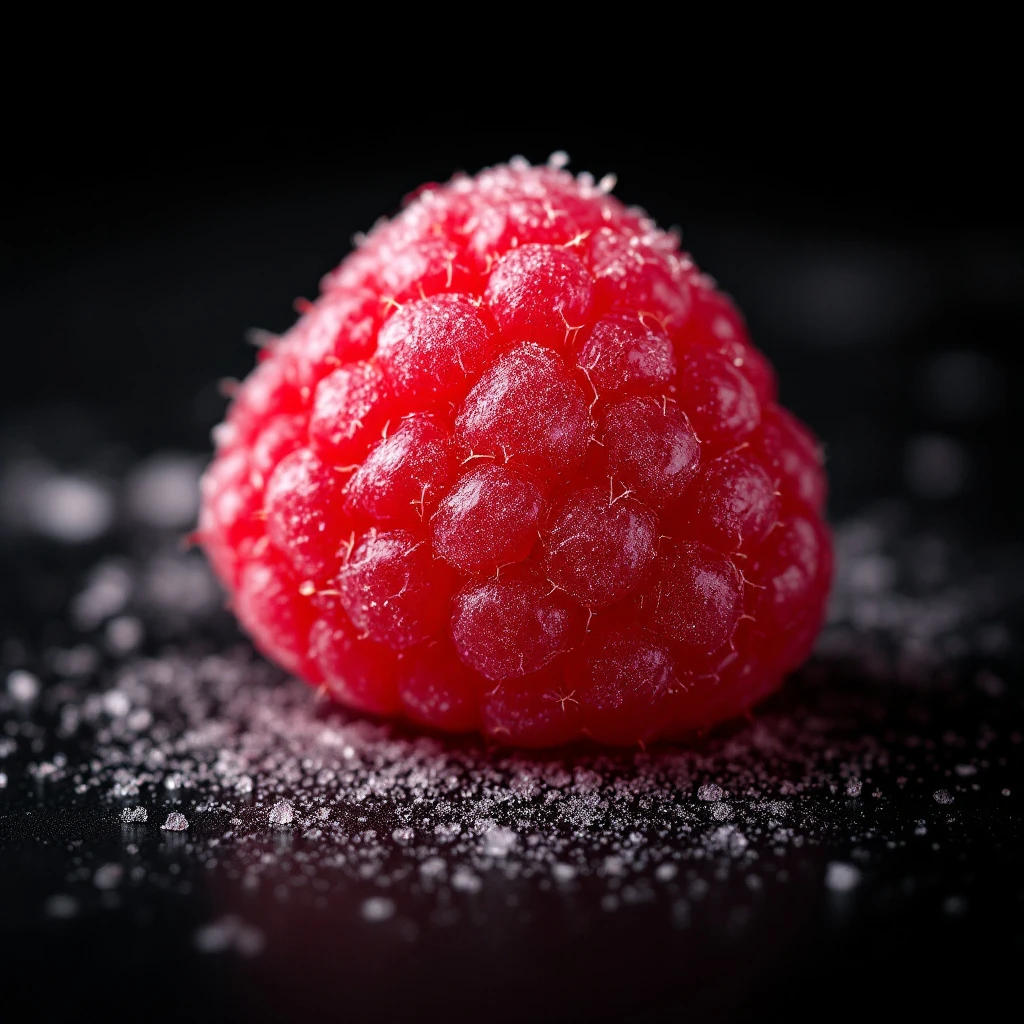
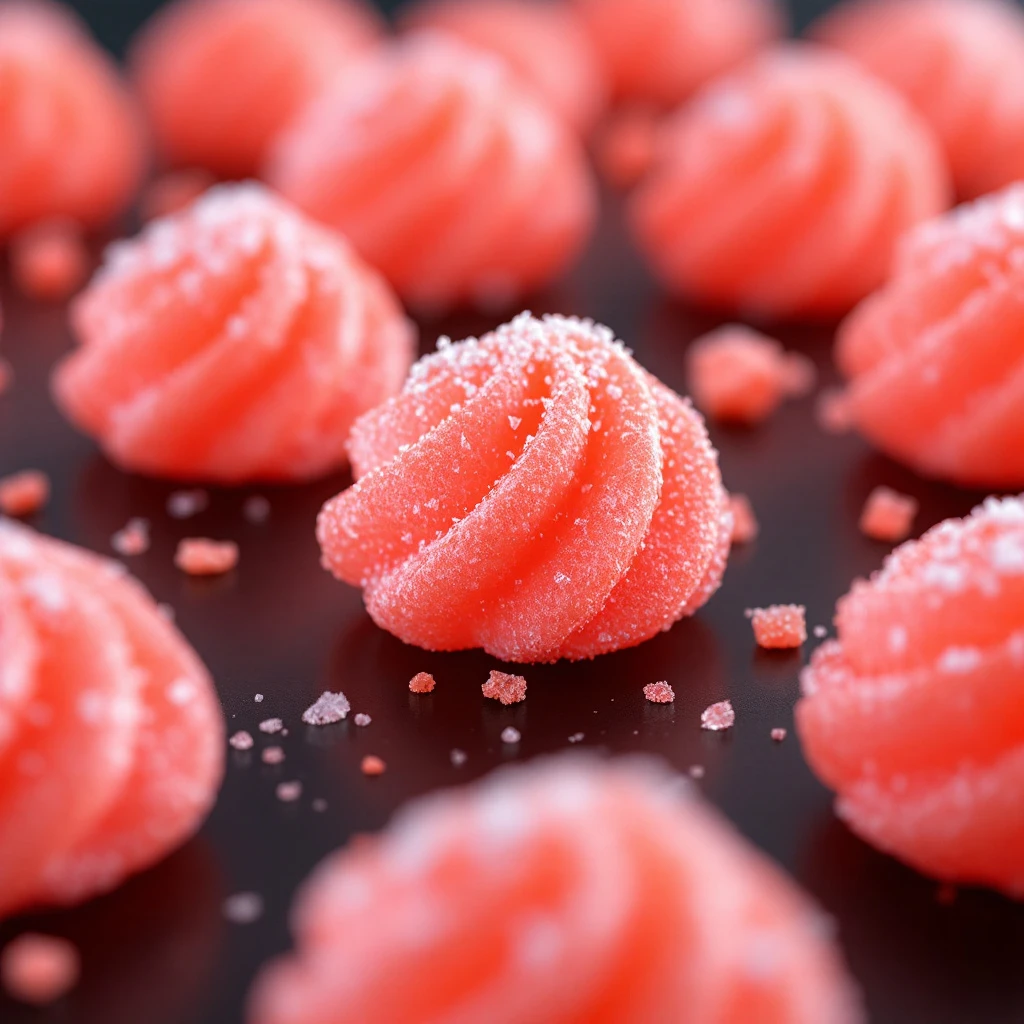
Raspberry in perfumery means a reconstructed note built from synthetic chemistry. No essential oil exists for this fruit. Perfumers recreate the sweet-tart, jammy character using compounds like raspberry ketone and frambonine, blended with ester compounds and berry aldehydes to capture the bright, tart quality of the fresh fruit.
Character
How it smells
Sweet, tart, playful
Raspberry ketone is the same compound that gives strawberries their aroma, yet it was first synthesized for use in perfumery.

Origin
China
The raspberry originates from the Rubus genus in East Asia, where it grew wild for centuries before spreading westward through trade routes. European botanists began cultivating it in gardens by the 1600s, though it remained a relatively rare and prized fruit.
In perfumery, raspberry was long considered impossible to capture authentically—the fruit's aroma molecules did not survive any extraction attempt. Modern perfumery solved this puzzle in the twentieth century when chemists developed synthetic compounds capable of reconstructing the raspberry experience.
Raspberry ketone became a cornerstone of fruity fragrance chemistry in the 1960s, giving perfumers access to the berry's sweet-tart intensity for the first time. Today, reconstructed raspberry notes form the backbone of countless fruity and floral compositions, from bright daytime scents to deeper, more complex evening fragrances.
Wears it best
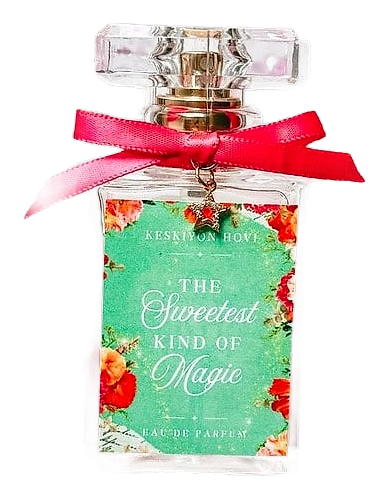
Fragrances featuring Raspberry Candy



Brands
Brands known for Raspberry Candy
Good to know
Questions, answered
The essentials on Raspberry Candy in perfumery: how it smells, where it comes from, and how it behaves on skin.
What does raspberry smell like in perfumery?
Raspberry in perfumery is bright, sweet, and jammy with a tart edge. It captures the ripe fruit's sweetness along with subtle green and floral undertones. The synthetic reconstruction is more intense and consistent than what natural extraction could ever achieve.
How is the raspberry note produced for fragrances?
Since no essential oil can be extracted from the berry, perfumers use synthetic raspberry ketone or frambonine as base materials. These are combined with ester compounds like hexyl acetate and berry aldehydes to build a complete, recognizable raspberry accord.
What is the difference between raspberry ketone and frambonine?
Raspberry ketone provides a bright, candy-like sweetness with the classic raspberry profile. Frambonine, developed later, offers greater depth and warmth, closer to the fruit under a summer sky. Perfumers choose between them based on the character they want in the final fragrance.
Are real raspberries used in perfumery at all?
No. No usable essential oil can be extracted from the raspberry fruit. The aromatic compounds that give fresh raspberries their scent are too volatile and delicate to survive standard extraction processes. The entire raspberry note relies on synthetic chemistry.
At what concentration is raspberry accord typically used?
Raspberry accord is usually used at low concentrations, typically between 1% and 5% of the fragrance concentrate. At higher levels the note becomes overwhelmingly sweet and loses its characteristic bright, tart quality.
Which fragrance families pair well with raspberry?
Raspberry works especially well in fruity, floral, and chypre compositions. It pairs naturally with rose, jasmine, and citrus notes, and adds a playful dimension to gourmand fragrances. The note adapts well from light daytime scents to richer evening formulations.
Does the raspberry note cause any allergen concerns?
The synthetic compounds used in raspberry accord are not currently listed as fragrance allergens under IFRA regulations. As with all fragrance ingredients, usage must comply with the current IFRA Code of Practice depending on the application and concentration.
Can raspberry notes be used in skincare products?
Yes. The synthetic compounds used in raspberry accord are typically stable across a range of pH levels and do not discolor formulations. This makes them suitable for both fine fragrance and leave-on skincare applications.





