Gummy Candies
Gummy Candies in perfumery is a synthetic gourmand accord composed of fruity esters, vanillin, and benzaldehyde derivatives. This playful note captures the sweet, chewy character of jelly candies, adding immediate approachability and nostalgic warmth to fragrance compositions. It serves as a bridge between the wearer and the scent, creating an inviting first impression.

Character
How it smells
A synthetic confection accord that translates candy-shop sweetness into wearable form
The gummy candy accord uses the same core aroma chemical, benzaldehyde, that Haribo used when they first launched gummy bears in 1922








Origin
Germany
Gummy bears emerged from Bonn, Germany in 1922 when Haribo founder Hans Riegel Sr. combined glucose syrup, starch, and flavoring into a fruit-gelatin candy shaped like dancing bears.
The confection drew inspiration from entertainers at travelling fairs and quickly became one of Germany's most beloved sweets. The candy remained relatively unchanged until the 1980s when American companies introduced pectin-based vegetarian versions.
The fragrance industry adopted the gummy concept decades later, inspired by the broader gourmet fragrance movement that saw edible notes migrate from food to fashion. Today, gummy candy accords appear across mainstream and niche perfumery, representing a playful bridge between confectionery heritage and modern aromatic artistry.
Wears it best
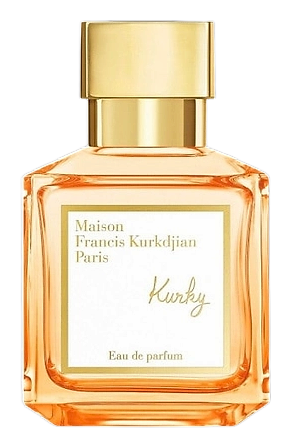
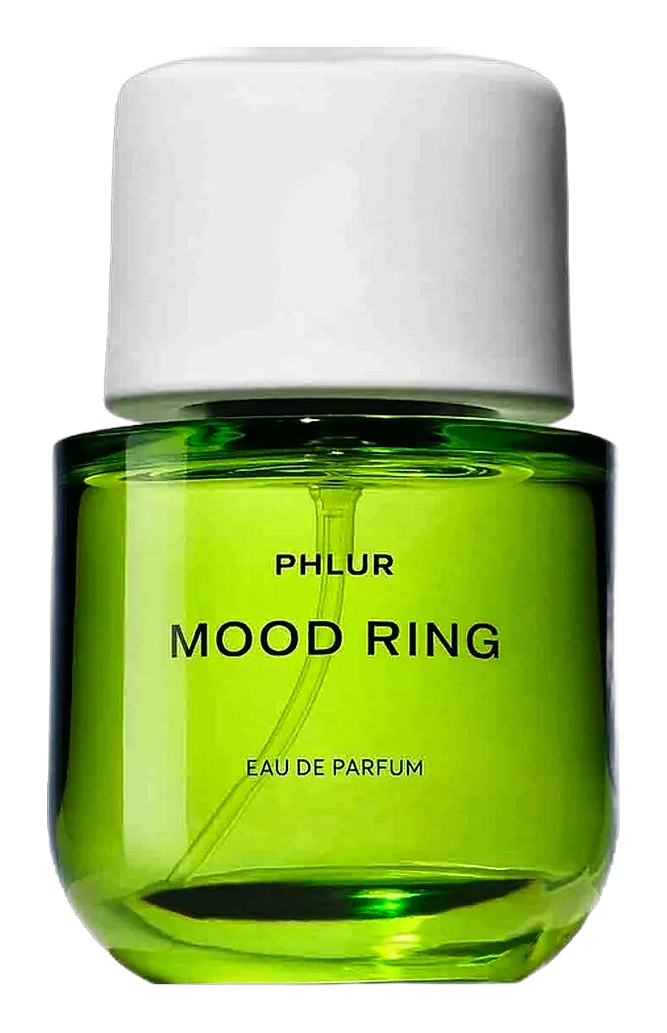
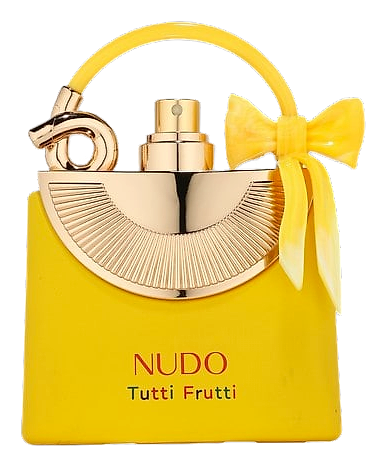
Fragrances featuring Gummy Candies

Brands
Brands known for Gummy Candies
Good to know
Questions, answered
The essentials on Gummy Candies in perfumery: how it smells, where it comes from, and how it behaves on skin.
What does Gummy Candies smell like in perfume?
Gummy Candies in perfume smell sweet and jelled, combining fruity esters with subtle almond-like undertones from benzaldehyde. The accord typically reads as strawberry, raspberry, or cherry jelly with a soft, chewy quality. It delivers immediate sweetness that feels playful and youthful on the skin.
Why is Gummy Candies used in perfumery?
Perfumers use Gummy Candies to create approachable, nostalgic fragrances that feel comfortingly familiar. The note acts as a bridge between the fragrance and the wearer, softening compositions and adding youthful energy. In market studies, gourmand notes consistently rank among the most approachable scent categories for new fragrance wearers.
Is Gummy Candies in perfume natural or synthetic?
Gummy Candies is entirely synthetic in perfumery. No natural extraction yields this note. The accord combines lab-created aroma chemicals, primarily benzaldehyde, fruity esters, and vanillin derivatives. These individual components may originate from natural sources like bitter almonds or vanilla beans, but the final note is formulated.
What famous perfumes contain Gummy Candies?
While specific formulations are proprietary, gummy-inspired accords appeared prominently in By the Fireplace by Maison Margiela and various Mugler fragrances. The 1992 launch of Dolce & Gabbana Pour Homme introduced edible concepts that paved the way for modern gummy candy interpretations across dozens of contemporary fragrances.
Is Gummy Candies a top note, heart note, or base note?
Gummy Candies functions primarily as a top to heart note in perfumery. The bright, fruity esters project immediately upon application, creating the first scent impression. The sweeter, softer elements may persist through the heart phase, but the note typically gives way to deeper base materials as the fragrance dries down.
What notes pair well with Gummy Candies in perfume?
Gummy Candies pairs well with vanilla, berries, and bright citrus fruits as complementary sweets. For contrast, perfumers combine it with white musk, soft florals like peony or lily of the valley, or creamy sandalwood. In masculine interpretations, it sits alongside aromatic herbs and warm woods.
Where does Gummy Candies come from?
The concept originated with Haribo gummy bears created in Bonn, Germany in 1922 by confectioner Hans Riegel Sr. In perfumery, the gummy note emerged from the 1990s gourmand fragrance movement. Modern perfumers source the component chemicals from aroma chemical manufacturers, primarily in France, Switzerland, and the United States.
Is Gummy Candies used in men's or women's fragrances?
Gummy Candies appears predominantly in women's and unisex fragrances, though it increasingly features in masculine and niche fragrances. Research from fragrance industry surveys indicates that 34% of male fragrance consumers express interest in sweet, edible scent profiles, driving broader adoption of gummy notes across gender categories.