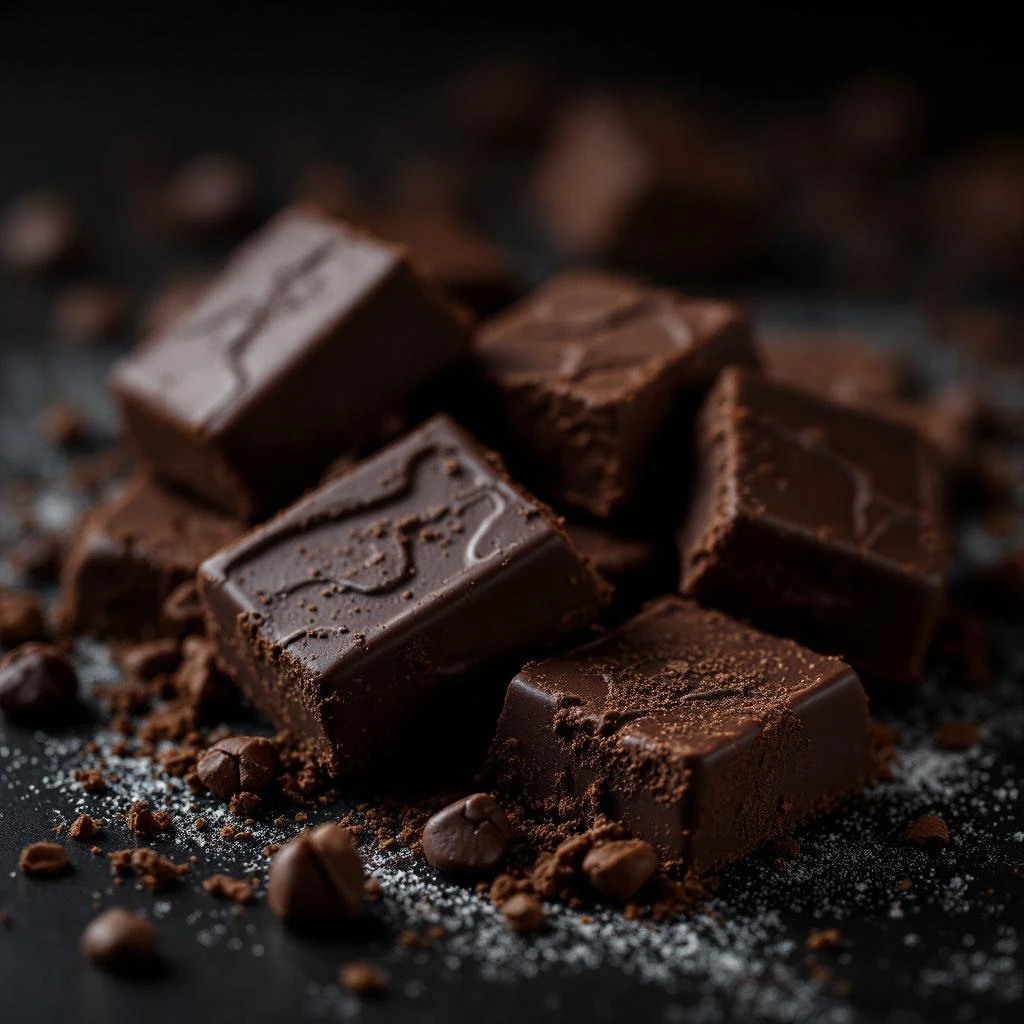
Almond Balm
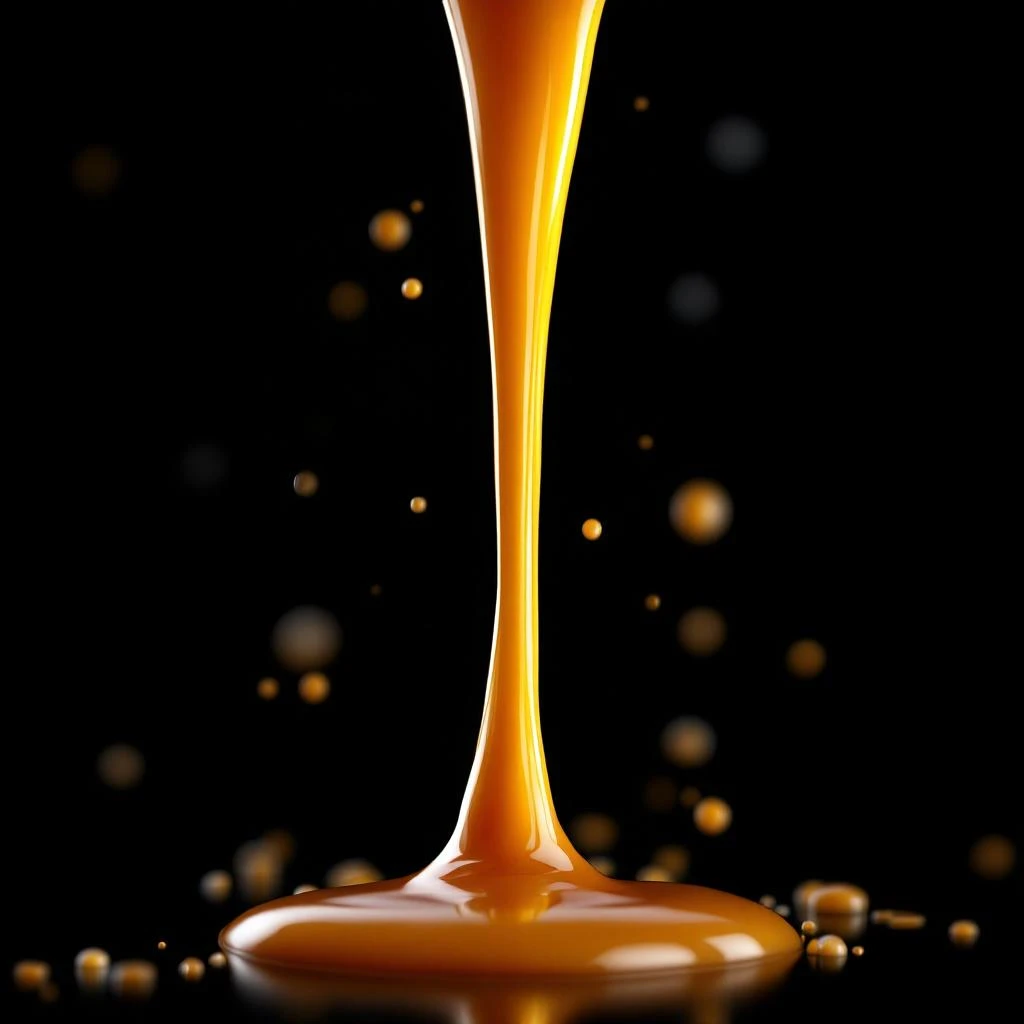
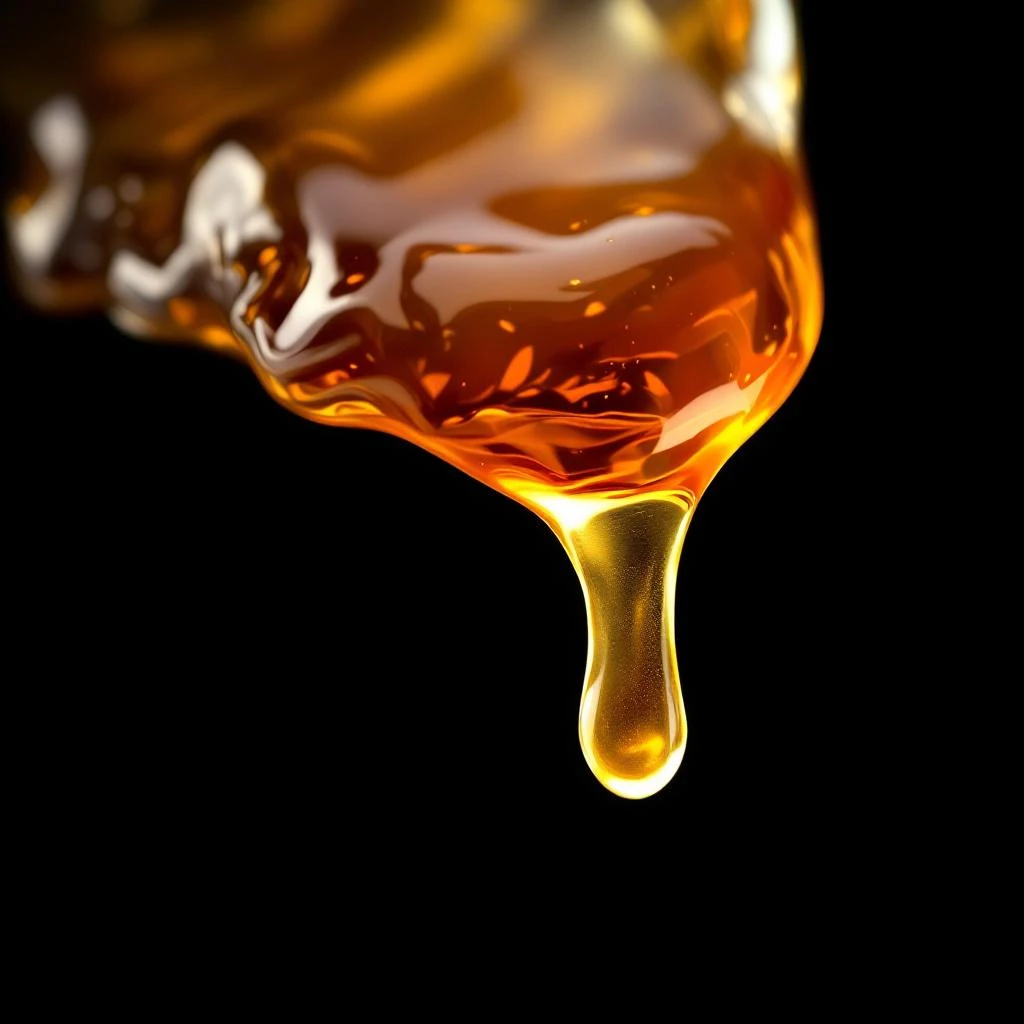
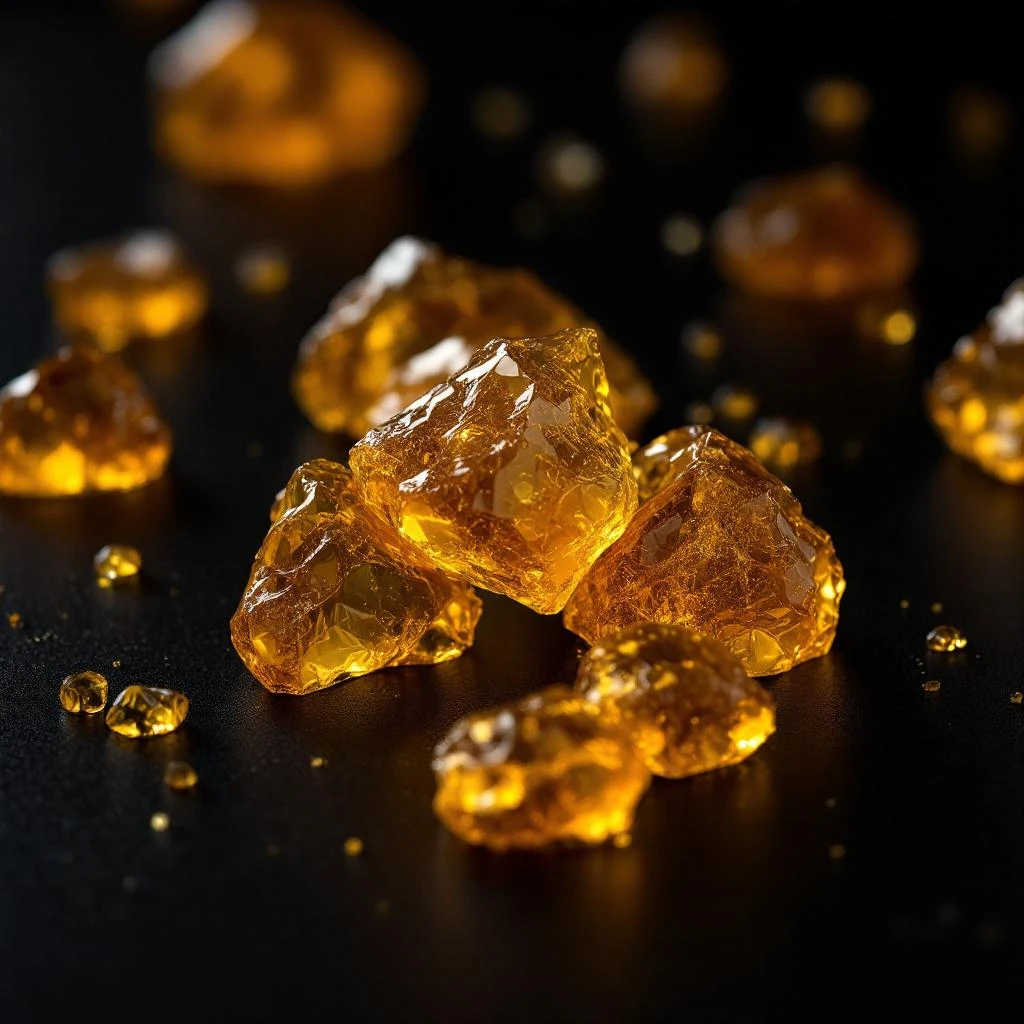
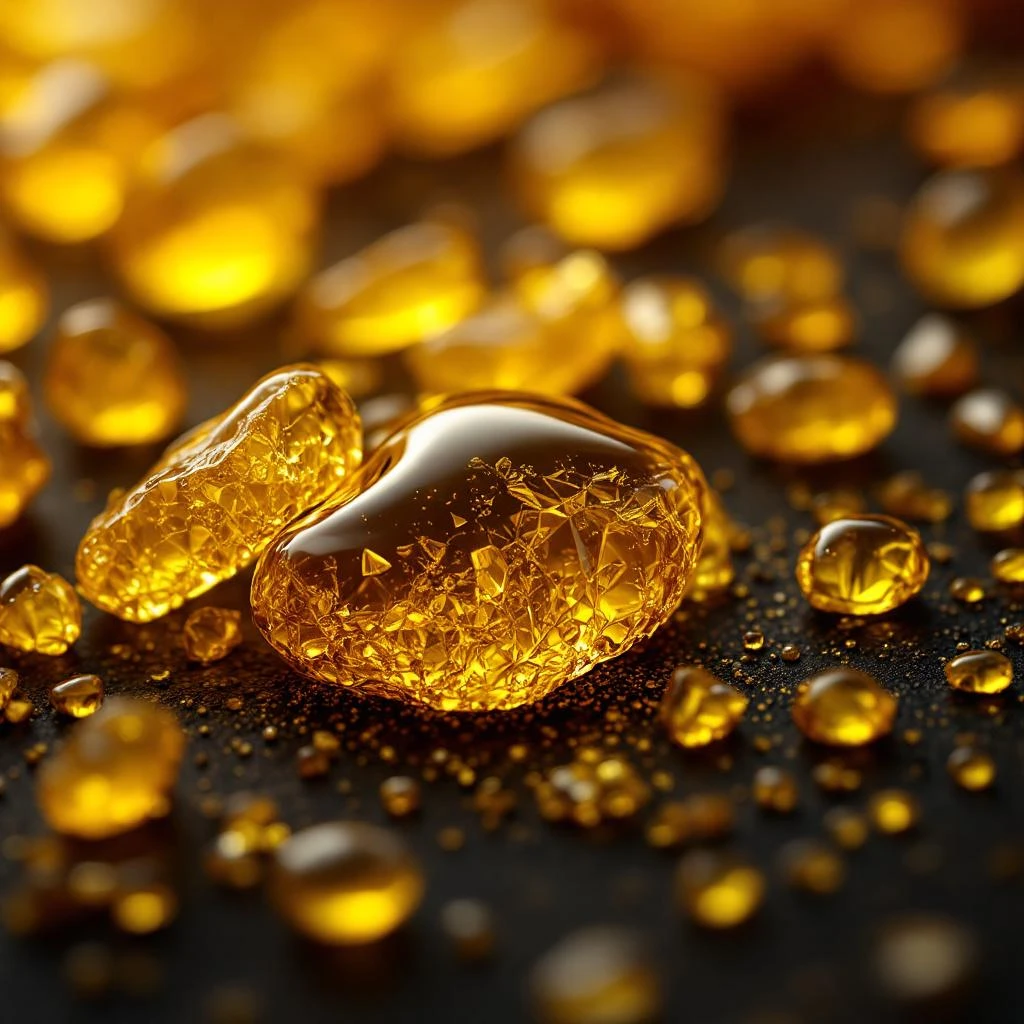
A warm, enveloping note that evokes comfort and softness. Almond balm brings a nutty sweetness tempered by a subtle bitterness, creating fragrances that feel protective, nourishing, and quietly luxurious.
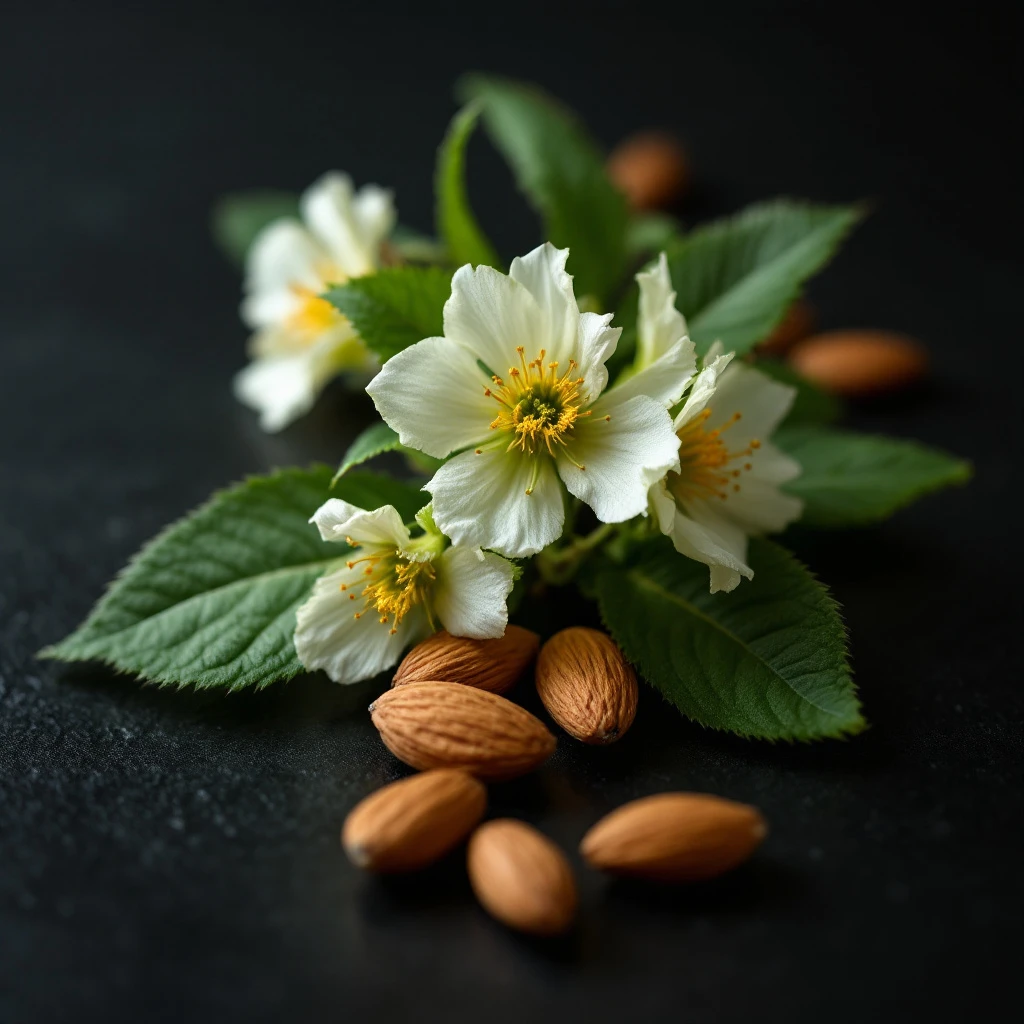
Character
How it smells
Nourishing warmth in a delicate shell.
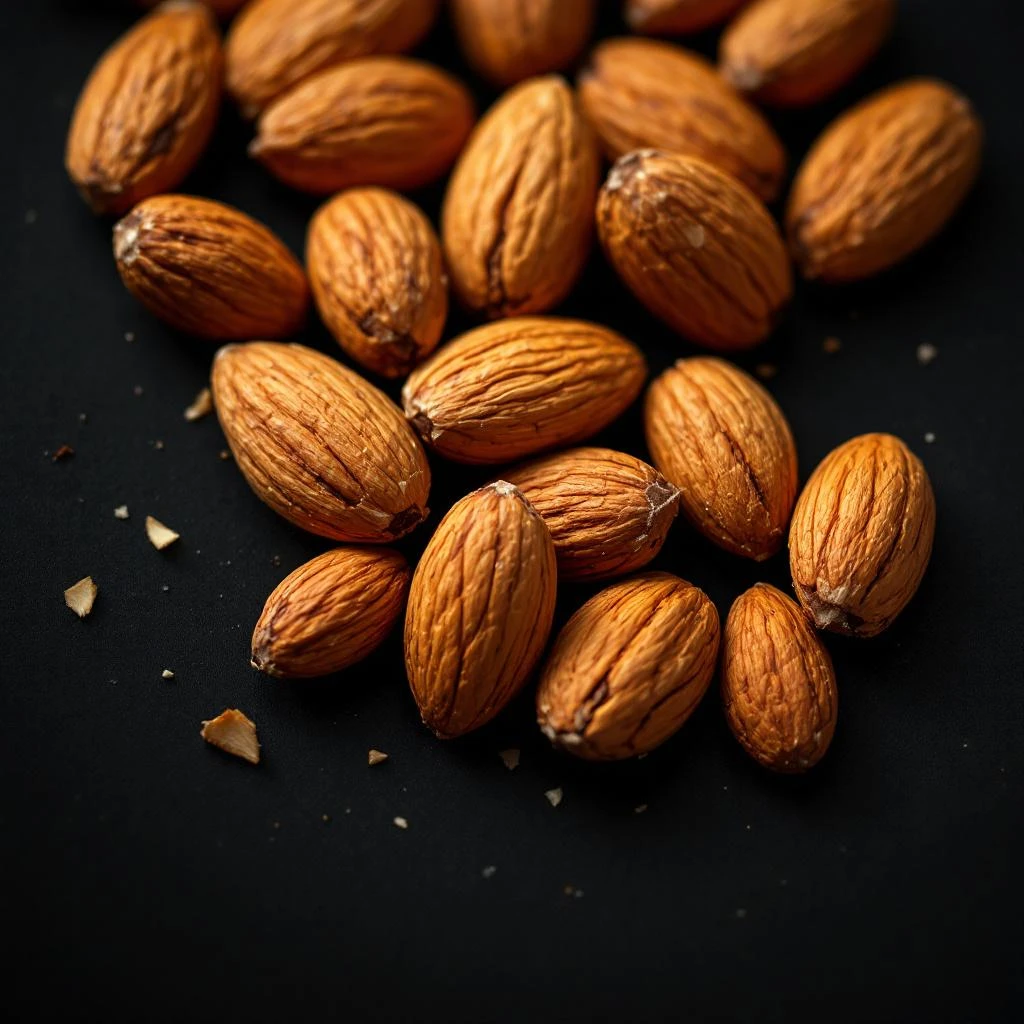
The same apricot kernels that yield almond-like fragrance also produce a gourmet oil prized in Mediterranean cooking.
Pairs beautifully with
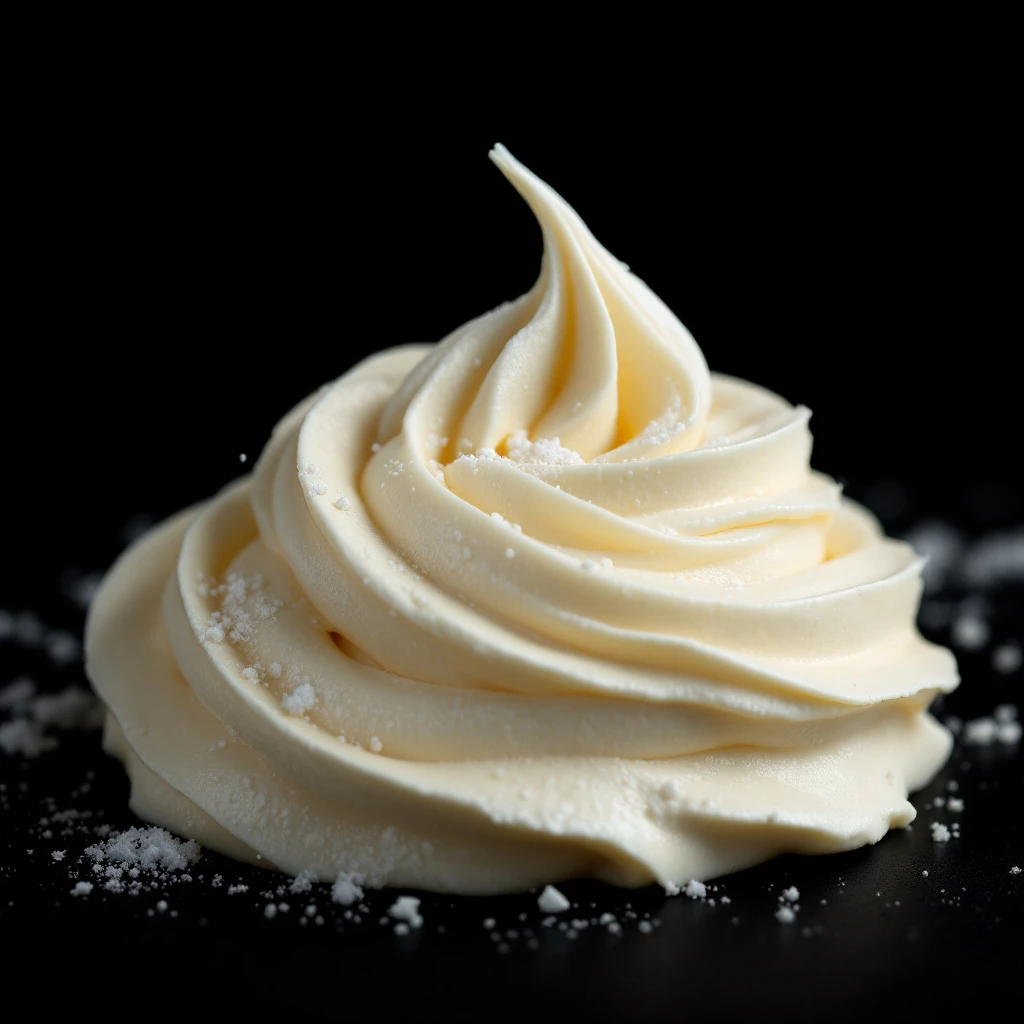


Origin
Iran
Ancient Egyptians pioneered fat-based fragrance extraction, soaking aromatic materials in oils and fats to create unguents. These early balms served both cosmetic and ceremonial purposes. When modern perfumery emerged in the late nineteenth century, chemists isolated benzaldehyde as the compound responsible for almond scent.
However, natural apricot kernel oil offered perfumers a botanical alternative with the same aromatic profile. Today, almond balm notes honor this ancient tradition while relying on traditional pressing methods that echo those early Egyptian techniques.
Wears it best
Fragrances featuring Almond Balm

Brands
Brands known for Almond Balm
Good to know
Questions, answered
The essentials on Almond Balm in perfumery: how it smells, where it comes from, and how it behaves on skin.
What is almond balm in perfumery?
Almond balm is a natural fragrance material derived from apricot kernels. It provides a warm, nutty sweetness with subtle bitter undertones, used to add comfort and depth to perfume compositions.
Is almond balm natural or synthetic?
Almond balm is natural, extracted via cold pressing from apricot kernels. This makes it distinct from synthetic benzaldehyde, which replicates the same scent artificially.
What does almond balm smell like?
It combines sweet, toasted almond warmth with a gentle bitterness reminiscent of marzipan. The scent feels soft, edible, and reassuringly familiar.
Where does apricot kernel oil for perfumery come from?
Iran and Mediterranean regions produce the majority of apricot kernels used in perfumery. The kernels are a byproduct of fruit cultivation.
Is almond balm safe for skin application?
Apricot kernel oil is widely used in cosmetics and skincare. However, it contains trace cyanogenic compounds, so formulations should be properly diluted.
How long does almond balm last on skin?
As a base note, almond balm lingers for hours. Its fatty composition means it develops slowly, providing a warm dry-down that evolves over time.
Can almond balm replace synthetic almond notes?
Yes. Natural apricot kernel oil delivers the same benzaldehyde character as synthetic versions, offering perfumers a botanical option without sacrificing authenticity.