


The Story
Why it exists.
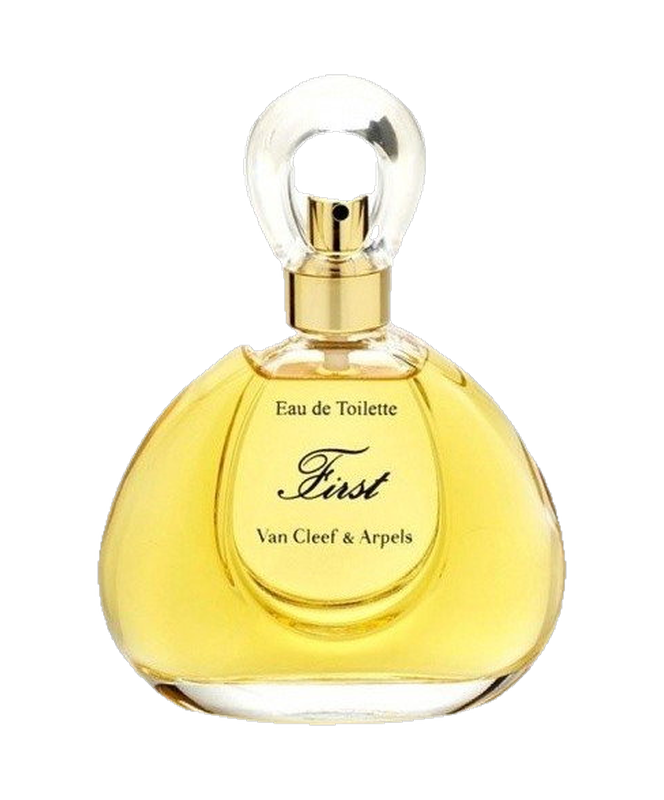
Van Cleef & Arpels was founded in 1906 by Estelle Arpels and Alfred Van Cleef,two families whose lives revolved around precious stones. By the mid-1970s, the jewelry house had dressed royalty and Hollywood icons alike. They knew something about materials, about rarity, about creating objects people remembered. Perfume was a natural extension. In 1976, they released First,their debut fragrance, composed by Jean-Claude Ellena, who would later redefine luxury at Hermès. The brief was simple: make something worthy of the name.
If this were a song
Community picks
La Vie en Rose
Edith Piaf
The Beginning
Van Cleef & Arpels was founded in 1906 by Estelle Arpels and Alfred Van Cleef,two families whose lives revolved around precious stones. By the mid-1970s, the jewelry house had dressed royalty and Hollywood icons alike. They knew something about materials, about rarity, about creating objects people remembered. Perfume was a natural extension. In 1976, they released First,their debut fragrance, composed by Jean-Claude Ellena, who would later redefine luxury at Hermès. The brief was simple: make something worthy of the name.
The aldehydes here aren't decorative. They create a luminous veil around the florals,a shimmering quality that elevates jasmine and tuberose into something almost abstract. What's interesting is the density: Ellena didn't diffuse or soften. He committed. The narcissus, carnation, and hyacinth add green-spicy undertones that keep the florals from becoming单纯 sweet. It's a composition that says volume without shouting.
The Evolution
First arrives with intention. The aldehyde sparkle announces itself, brief and brilliant. Then the florals rush in,and for about an hour, they dominate. Jasmine, tuberose, the whole lush orchestra. Then the sandalwood gradually emerges, tempering everything, pulling it toward warmth. The civet in the base adds an animalic undertone that's controversial but effective. What survives on skin after five hours is a quiet, warm residue. On fabric? It lingers for days.
Cultural Impact
First marked a jewelry house's serious entry into perfumery in 1976. At a time when aldehydic florals were evolving beyond the powdery traditions of the 1950s, First committed to bold expression. Jean-Claude Ellena, before his minimalist period at Hermès, demonstrated his range with a dense, confident composition. The fragrance influenced subsequent feminine releases and remains a reference point for the aldehydic-floral category. It's now considered a vintage classic, valued by those who appreciate pre-1980s perfumery traditions.
The House
France · Est. 1906
Van Cleef & Arpels stands as one of the most distinguished names in French haute joaillerie, a maison whose glittering legacy began at Place Vendôme in 1906 and has never wavered from that legendary address. The house translates its jeweler's soul into fine fragrance, creating scents that carry the same sense of preciousness and poetic beauty found in its iconic gem-set creations. From its legendary First fragrance launched in 1976 to contemporary compositions, each perfume reflects the house's commitment to elegance, nature-inspired motifs, and the art of transformat
The Creator
Van Cleef & Arpels was founded in Paris in 1906 by the marriage of Estelle Arpels and Alfred Van Cleef. The house became synonymous with Art Deco glamour, dressing royalty and Hollywood elite. Their jewelry creations,the Alhambra line, the Zip necklace, the Passe-Partout,became icons. Entering perfumery in 1976 with First was a natural extension of their brand philosophy: rare materials, careful craftsmanship, objects meant to be treasured.
If this were a song
Community picks
The opening feels like a grand entrance,aldehyde sparkles cutting through silence. Then the florals bloom, lush and full, like a conservatory at peak afternoon. There's a nostalgic warmth underneath, the kind that belongs to velvet chairs and old photographs.
La Vie en Rose
Edith Piaf










