
The Story
Why it exists.
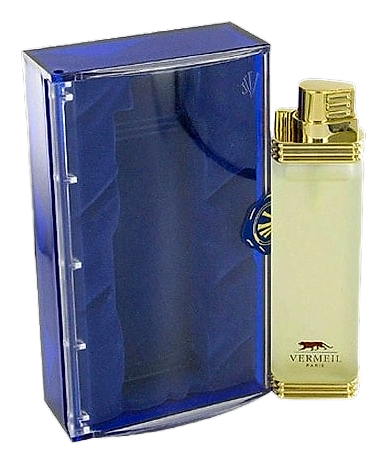
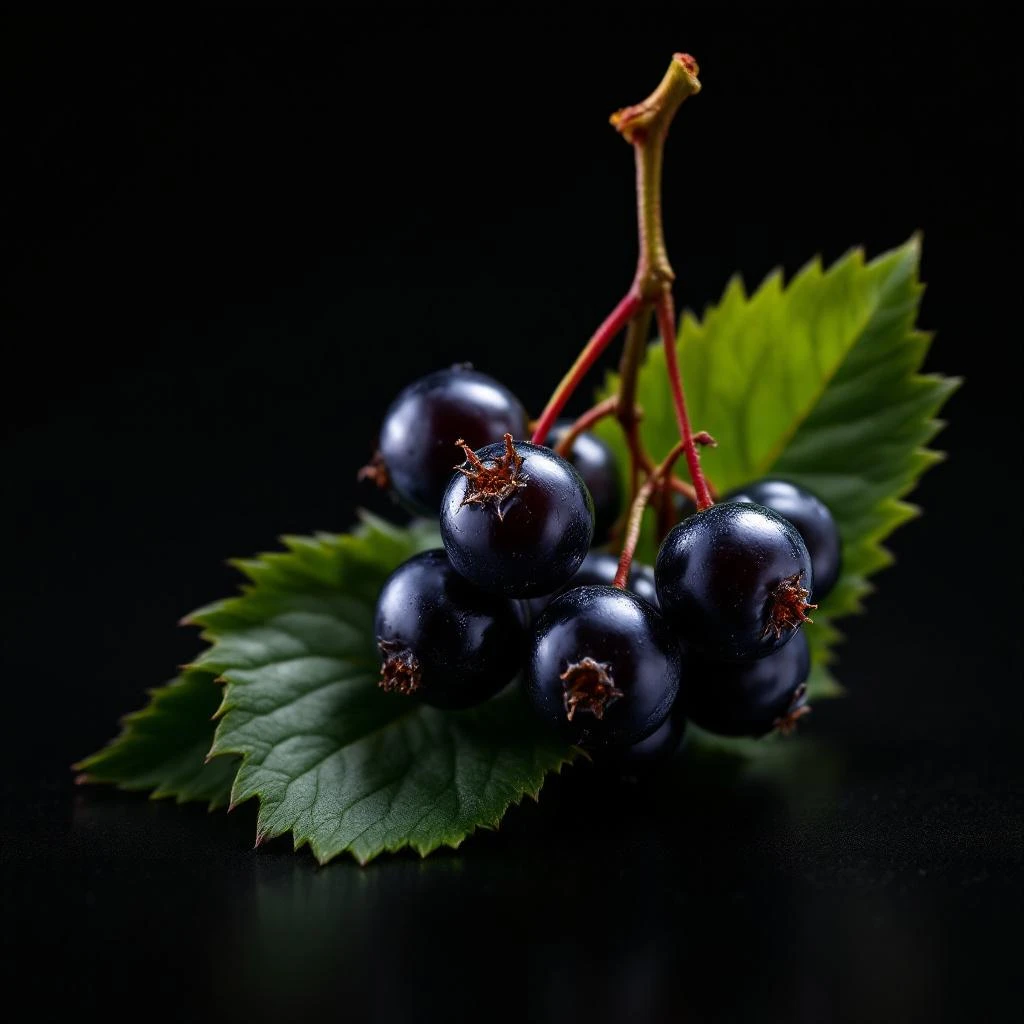
Born from the quiet ambition of a Parisian chemist in 1983, Jean Louis Vermeil has always let ingredients speak louder than logos. After the modest success of Maïssa and the aromatic turn of Casaque, the house turned to a greener, more aromatic direction in the late‑1980s. Vermeil for Men was conceived as a tribute to the crisp French countryside mornings, where blackcurrant vines brush against citrus groves and the air carries a hint of pine. The composition reflects the brand’s restrained ethos, building around a single green‑spicy accord that never overpowers but subtly commands attention.
If this were a song
Community picks
Autumn Leaves
Chet Baker
The Beginning
Born from the quiet ambition of a Parisian chemist in 1983, Jean Louis Vermeil has always let ingredients speak louder than logos. After the modest success of Maïssa and the aromatic turn of Casaque, the house turned to a greener, more aromatic direction in the late‑1980s. Vermeil for Men was conceived as a tribute to the crisp French countryside mornings, where blackcurrant vines brush against citrus groves and the air carries a hint of pine. The composition reflects the brand’s restrained ethos, building around a single green‑spicy accord that never overpowers but subtly commands attention.
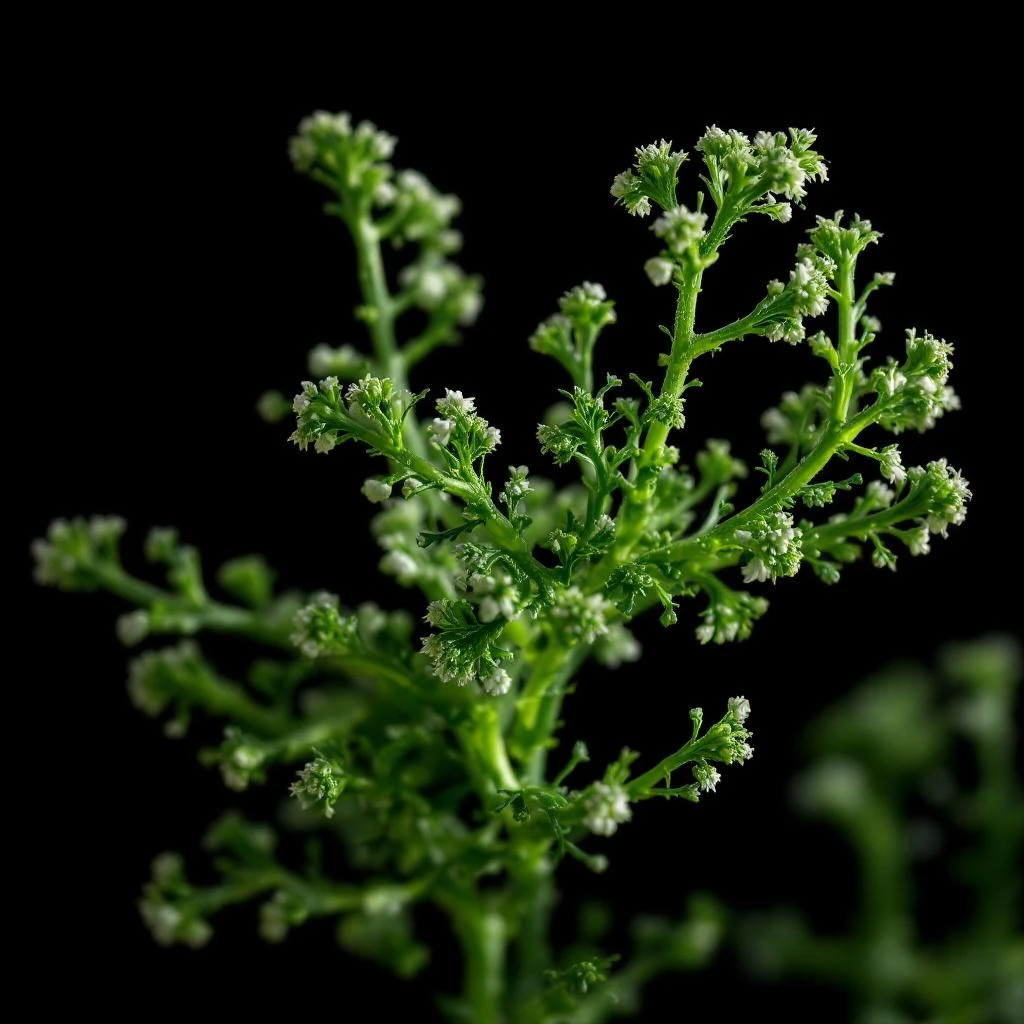
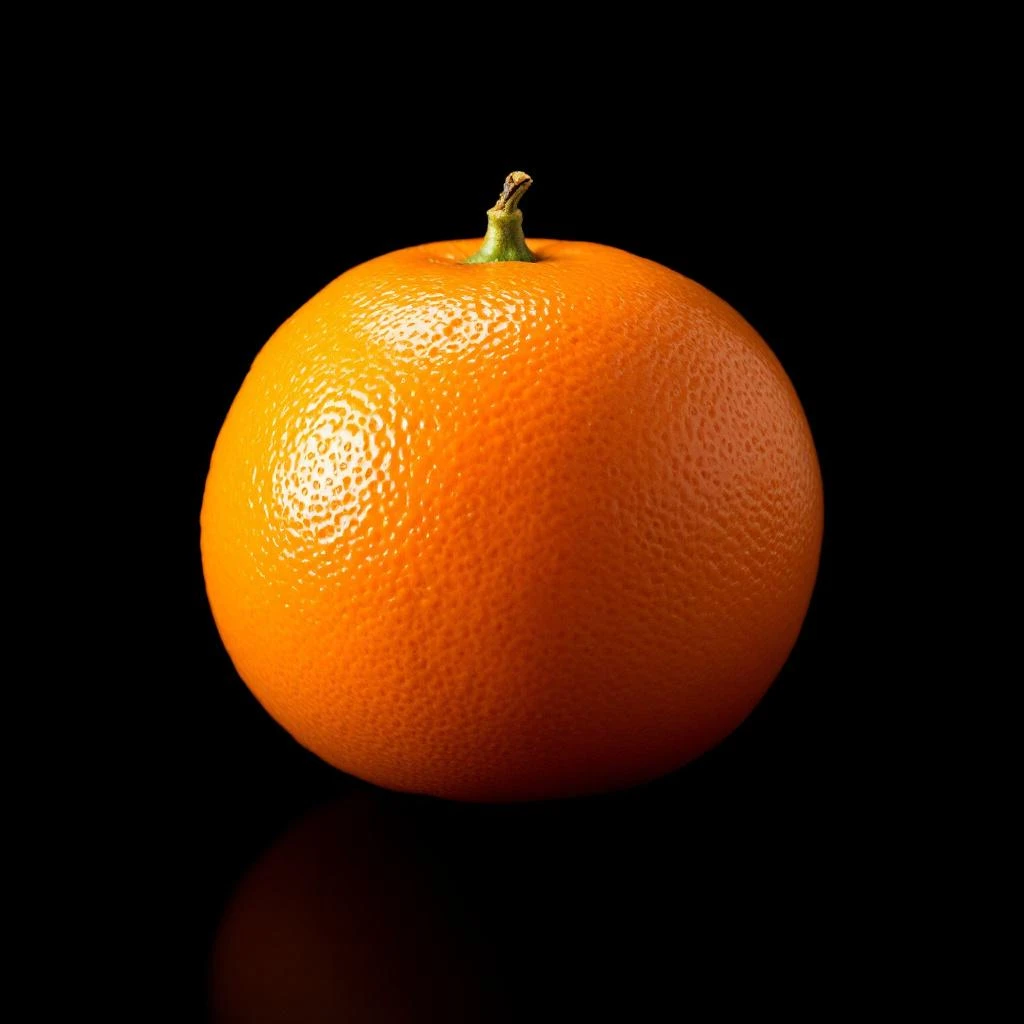
Choosing galbanum and mandarin gave the scent a fresh, almost herbaceous opening that mirrors the early light over French vineyards. The heart’s blend of ylang‑ylang, rose and lily of the valley draws from the house’s early floral experiments, while coriander and carnation inject a subtle spice reminiscent of the brand’s occasional aromatic forays. The base’s oakmoss, cedar and patchouli ground the fragrance in classic French woody tradition, ensuring the scent evolves gracefully from garden to forest as the day unfolds.
The Evolution
At first spray, Vermeil announces itself with a sharp, berry‑citrus flash that catches the nose like a sudden breeze over a ripening orchard. Within ten minutes the green galbanum edge softens, letting coriander’s peppery nuance rise, while the floral heart blooms, each petal, ylang‑ylang, rose, jasmine, unfolding in a quiet cascade. By the hour mark, the woody base asserts itself; oakmoss and vetiver lay a damp earth foundation, cedar adds dry timber, and patchouli whispers an amber‑like depth. Musk lingers as a faint animalic veil, keeping the scent present on the skin without dominating. The dry‑down persists for eight to ten hours, leaving a warm, slightly smoky trail that feels like a well‑worn leather jacket on a cool evening.
Cultural Impact
Vermeil arrived at a time when the brand was defining its identity beyond the early 1980s foundations. Its green‑spicy profile resonated with a generation seeking understated elegance rather than overt flamboyance, influencing subsequent releases that favored restrained botanical blends. Over the decades it has been cited in niche collector circles as a benchmark for balanced longevity and subtle projection, shaping how modern perfumers approach the interplay of citrus, galbanum, and warm woods in a single composition. The scent’s quiet confidence helped cement the house’s reputation for refined, timeless creations that avoid fleeting trends.
The House
France · Est. 1983
Jean Louis Vermeil is a French perfume house that emerged in the 1980s and has built a modest catalogue of niche scents. The label is known for releases such as Maïssa (1987), Casaque (1989) and Vermeil Pour Homme, each of which reflects a restrained approach to composition. Collectors appreciate the brand for its low‑profile presence and the way its fragrances sit quietly in the background of the modern perfume landscape.
If this were a song
Community picks
A crisp, green‑spiced melody that feels like a sunrise walk through a citrus orchard, followed by a warm, woody chorus reminiscent of an evening by a fireplace.
Autumn Leaves
Chet Baker
















