


The Story
Why it exists.
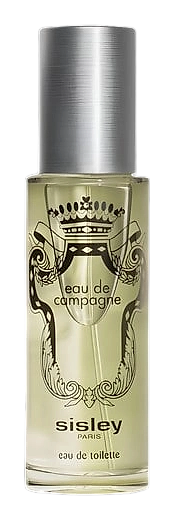
Jean-Claude Ellena created Eau de Campagne in 1974, launching it in 1976 with Sisley. The brief was simple: capture the smell of the countryside without romanticizing it. No rose petals, no sunshine accord, just the herbs growing wild, the citrus from the tree, the green that doesn't know it's beautiful. Ellena had been developing his approach to green compositions, and this was his answer to the question: what if a fragrance smelled like a place instead of an idea of a place? The name says it all. Country water. Not perfume, something you drink.
If this were a song
Community picks
Green Light
Jon Hopkins
The Beginning
Jean-Claude Ellena created Eau de Campagne in 1974, launching it in 1976 with Sisley. The brief was simple: capture the smell of the countryside without romanticizing it. No rose petals, no sunshine accord, just the herbs growing wild, the citrus from the tree, the green that doesn't know it's beautiful. Ellena had been developing his approach to green compositions, and this was his answer to the question: what if a fragrance smelled like a place instead of an idea of a place? The name says it all. Country water. Not perfume, something you drink.
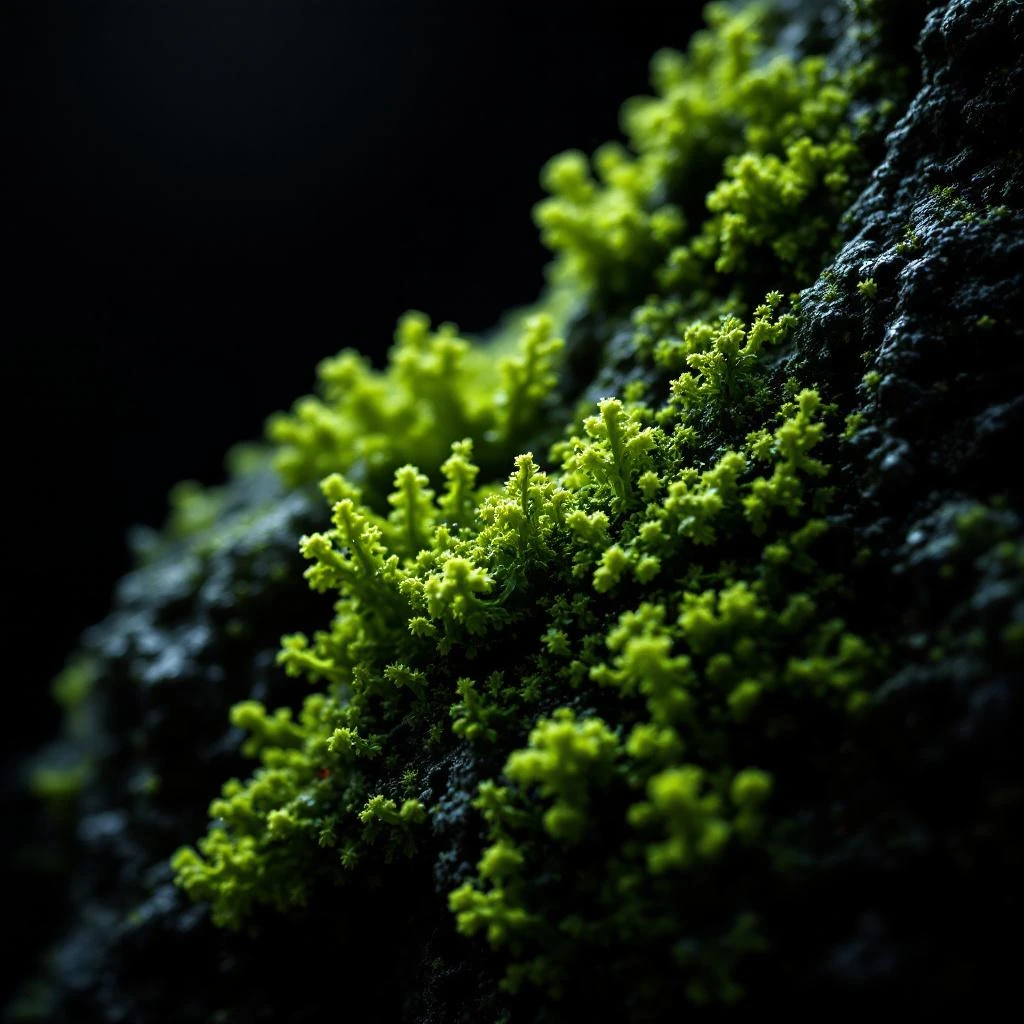
The green notes don't function as an opening here. They ARE the fragrance. Tomato leaf, basil, galbanum, wild grass, these aren't top notes that disappear in twenty minutes. They linger, evolve, become the heart. The traditional floral pyramid (jasmine, lily of the valley, geranium) appears underneath, supportive rather than dominant. This inversion is what makes the composition distinctive: it's structured around herbaceousness instead of building toward it. The result smells less like perfume and more like standing in a garden after rain, leaves crushed between your fingers, the air still damp.
The Evolution
The opening hits immediately with bergamot and lemon, bright, sharp,Citrus that doesn't apologize for itself. Within minutes, basil and galbanum arrive. Then the tell: tomato leaf, unmistakable. Not a note so much as a reality. Green, slightly bitter, vegetal in a way that can feel almost medicinal if you're not expecting it. This phase lasts. The floral heart (geranium, lily of the valley, plum) never fully takes over, it flirts, then retreats. The drydown belongs to oakmoss and vetiver. Mossy, earthy, quietly sophisticated. On skin, expect 4-6 hours. On fabric, longer. The next morning there will be a faint green shadow, the ghost of the garden you wore to bed.
Cultural Impact
Eau de Campagne has outlasted every trend cycle since 1976. It's a reference point in the green fragrance category, not for its popularity, but for its refusal to be anything other than what it is. The tomato leaf note alone has earned it a cult following among people who want to smell like the outdoors actually smells, rather than a curated version of nature. It sits apart from the polished citruses and ambers that dominate fragrance culture, appealing to those who found it, loved it, and never let it go.
The House
France · Est. 1976
Sisley Paris began as a family‑run laboratory in 1976, when Count Hubert d'Ornano and Countess Isabelle d'Ornano turned their expertise in botanical cosmetics into a fragrance house. The brand draws its name from the Impressionist painter Alfred Sisley, reflecting a commitment to artful composition and natural ingredients. Over the decades Sisley has introduced a modest but respected line of perfumes, each anchored in plant‑derived essences and a quiet French elegance that appeals to collectors who value authenticity over hype.
If this were a song
Community picks
Eau de Campagne sounds like a summer afternoon in a garden that doesn't know it's beautiful, the moment after rain when the herbs are still wet and the air smells green. There's no sweetness here, no warmth seeking warmth. Just clarity, a little sharpness, and the quiet confidence of something real.
Green Light
Jon Hopkins