
The Story
Why it exists.
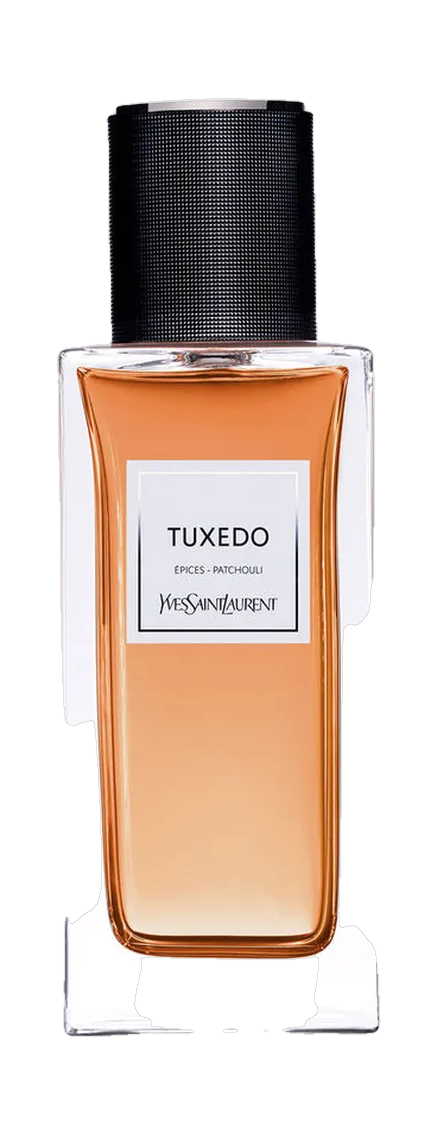
The tuxedo is Yves Saint Laurent's most iconic contribution to fashion, his 1966 reworking of a traditionally masculine garment into something women could wear as armor and declaration. Decades later, that same tension between tailoring and transgression lives in this fragrance. The brief was to build a scent around the idea of power worn close: not a statement you shout, but one you carry. The structure had to be architectural, crisp at the opening, warm at the close, with enough complexity to reward the people who lean in.
If this were a song
Community picks
Blue Train Lines
Nina Chanel Abney
The Beginning
The tuxedo is Yves Saint Laurent's most iconic contribution to fashion, his 1966 reworking of a traditionally masculine garment into something women could wear as armor and declaration. Decades later, that same tension between tailoring and transgression lives in this fragrance. The brief was to build a scent around the idea of power worn close: not a statement you shout, but one you carry. The structure had to be architectural, crisp at the opening, warm at the close, with enough complexity to reward the people who lean in.
The unusual pairing in the base, patchouli and bourbon vanilla, could easily collapse into something sweet and heavy. What prevents that is ambergris. This material is the quiet cornerstone of the drydown: mineral, slightly animalic, with a salt-kissed quality that prevents the vanilla from going dessert and keeps the patchouli from tipping into earth. The heart notes, rose, black pepper, lily of the valley, perform a similar function in the middle. The rose adds a waxy, slightly narcotic sweetness; the black pepper adds heat; and the lily of the valley keeps both honest with a cool, green whisper that stops the composition from going fully warm.
The Evolution
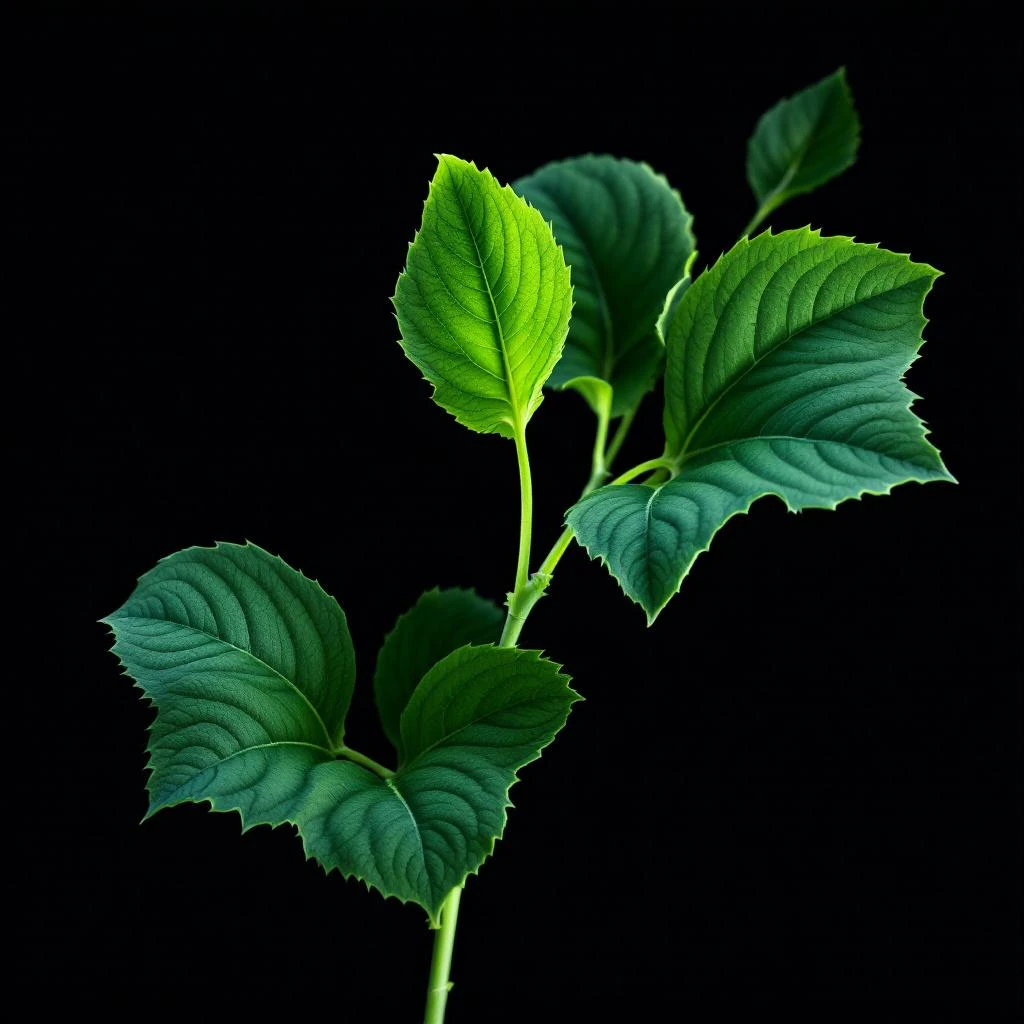
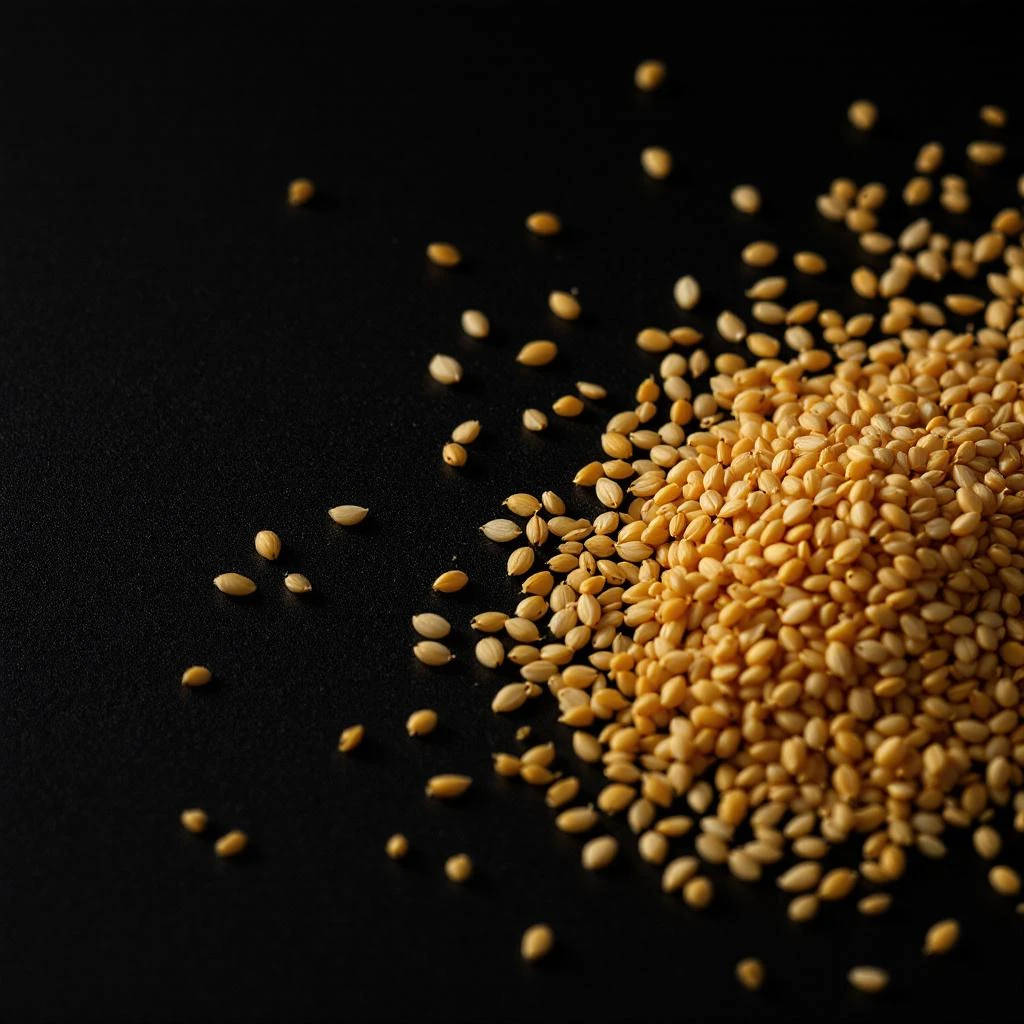
The opening starts clean and bright. Violet leaf and bergamot arrive crisp and sharp, and then coriander introduces itself. Coriander is the surprise here. Not the crushed seed smell you'd expect, but something spicier, almost camphorated, like the ghost of a mentholated note. It stays through the heart's first act before yielding to rose. The middle is where the fragrance earns its name. Dark rose, not rosy so much as waxy and deep, paired with black pepper that keeps the whole thing from going soft. Lily of the valley appears only as a whisper, a brief cool note that vanishes before you can name it. The drydown is everything. Patchouli goes dark and earthy, bourbon vanilla goes warm and resinous rather than sweet, and ambergris adds the mineral-salt quality that makes both feel worn rather than applied. This was the point all along.
Cultural Impact
Part of the Le Vestiaire des Parfums collection, a fragrance wardrobe inspired by the house's iconic garments, Tuxedo translates the sharp, androgynous elegance of its namesake into scent. Worn close, it rewards attention over projection. People who find it tend to find it hard to let go.
The House
France · Est. 1961
Yves Saint Laurent fragrances are the olfactory equivalent of its founder's revolutionary fashion: audacious, empowering, and unapologetically Parisian. The house creates scents that are not just accessories but statements of identity, blurring the lines between art, scandal, and pure elegance. YSL doesn't follow trends; it creates them with bold compositions that feel both timeless and thrillingly modern.
If this were a song
Community picks
Tuxedo sounds like the moment a room goes quiet after someone walks in. Low brass, minor key, a single sustained note underneath everything else. The opening is percussive and sharp, violet leaf and bergamot hit like a cymbal swell. Then the warmth arrives: patchouli and vanilla like a slow piano chord that doesn't resolve. Ambergris keeps the whole thing grounded, almost muted, the kind of sound that pulls people closer rather than filling the space. It's jazz at 2 AM, not a morning album. Wear it when you want the music to find you.
Blue Train Lines
Nina Chanel Abney