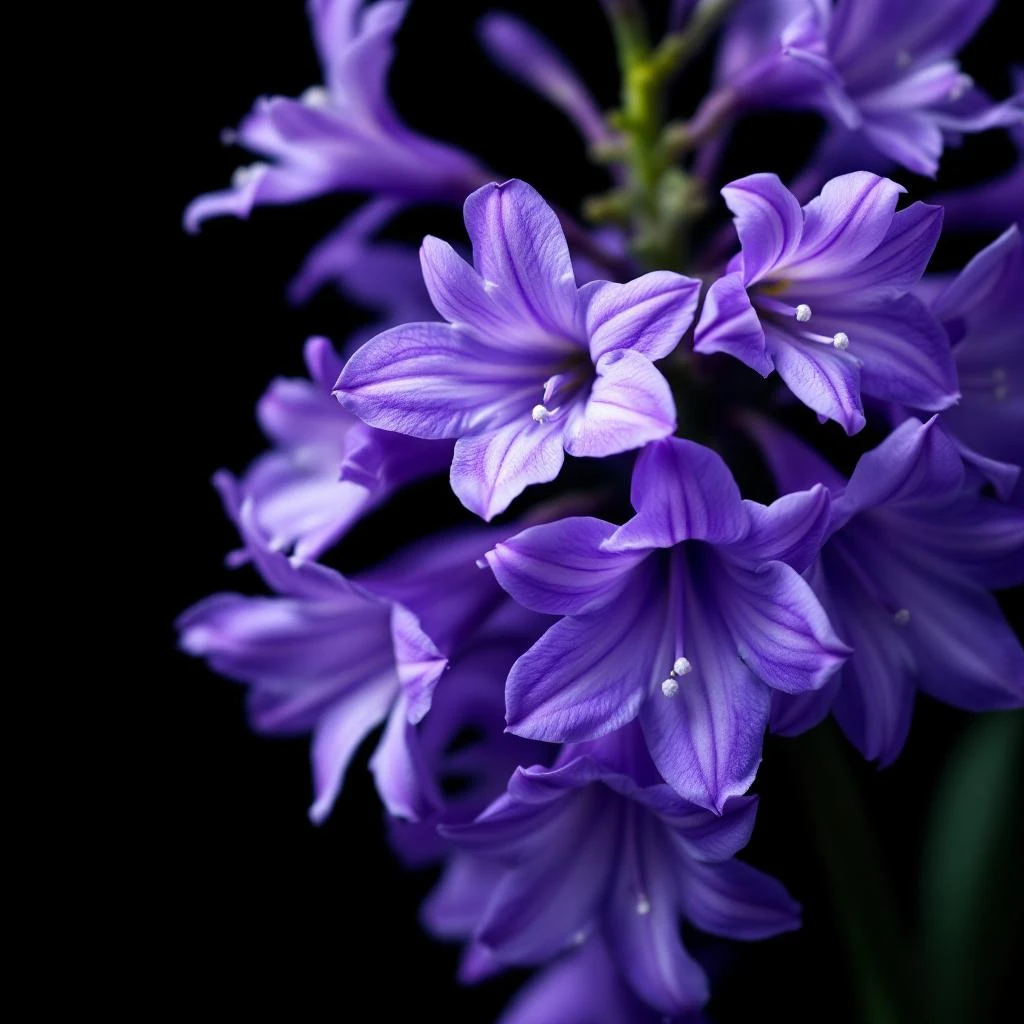
The Story
Why it exists.
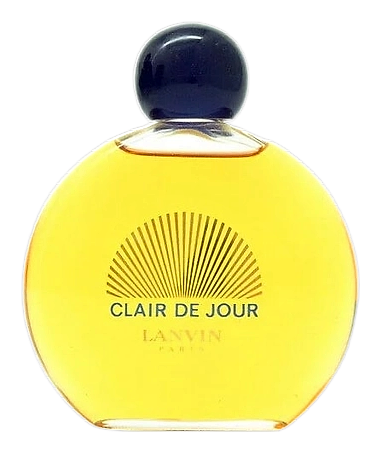
Clair de Jour arrived in 1983 as Lanvin’s answer to the yearning for a bright, daylight fragrance that could sit beside the house’s classic Arpège yet feel unmistakably modern. The name, French for “clear day,” evokes the crisp, sun‑lit mornings of a Parisian spring, when the city’s gardens burst with fresh green foliage. Drawing on the house’s long‑standing commitment to elegant, timeless perfume, the composition leans into aldehydic sparkle and a bouquet of white florals, framing a scent that feels both airy and refined.
If this were a song
Community picks
La Vie En Rose
Édith Piaf
The Beginning
Clair de Jour arrived in 1983 as Lanvin’s answer to the yearning for a bright, daylight fragrance that could sit beside the house’s classic Arpège yet feel unmistakably modern. The name, French for “clear day,” evokes the crisp, sun‑lit mornings of a Parisian spring, when the city’s gardens burst with fresh green foliage. Drawing on the house’s long‑standing commitment to elegant, timeless perfume, the composition leans into aldehydic sparkle and a bouquet of white florals, framing a scent that feels both airy and refined.
The opening leans on a crisp aldehydic accord that instantly brightens the skin, while black‑locust adds an unexpected woody‑green nuance, setting it apart from typical citrus‑only greens. Bergamot tempers the sparkle with a citrus lift, then the heart blooms with jasmine, lily‑of‑the‑valley, magnolia and rose, delivering a white‑floral core that feels both fresh and slightly powdery. The base grounds the composition with oakmoss, sandalwood, musk and a whisper of civet, giving the scent a lingering, subtly animalic trail that echoes the perfume’s 1980s heritage.
The Evolution
The first fifteen minutes are a burst of aldehydic brilliance, the kind of clean, almost metallic sparkle that makes you picture a sun‑lit windowpane. Black‑locust and bergamot weave in, adding a green, slightly woody edge that feels like freshly cut twigs in a spring breeze. By the half‑hour mark the heart opens fully: jasmine and lily‑of‑the‑valley mingle with magnolia and rose, creating a soft, powdery bouquet that feels like a garden caught in morning light, delicate yet confident. As the perfume settles into the drydown, oakmoss and cedarwood lay a mossy, woody foundation, while sandalwood and musk soften the trail. Civet adds an animalic warmth that clings to the skin for the remainder of the day, easily reaching the eight‑to‑ten‑hour mark on most wearers.
Cultural Impact
Clair de Jour arrived at a moment when green aldehydic scents were redefining modern perfumery, capturing the optimism of early‑80s fashion and the rise of minimalist aesthetics. Its fresh, garden‑inspired profile resonated with a generation seeking both sophistication and approachability, influencing subsequent designers to explore crisp botanical accords. Over the decades, the perfume has become a reference point for green‑floral compositions, often cited in retrospectives as a bridge between classic elegance and contemporary freshness, cementing its place in cultural memory as a timeless expression of springtime optimism.
The House
France · Est. 1889
Lanvin stands as one of fashion's most storied houses, tracing its lineage back to 1889 when Jeanne-Marie Lanvin opened her first millinery boutique in Paris. Today it holds the distinction of being the oldest continuously operating French fashion house. The brand's perfumery arm, Lanvin Parfums, established in 1924, has produced some of the most evocative fragrances of the 20th century, from the landmark Arpège to timeless scents like Vetyver, Rumeur, and Eau de Lanvin. Under the stewardship of Lanvin Group since 2018, the house continues to honor its founder's vision while navigating a new chapter in its distinguished history.
If this were a song
Community picks
A light, breezy melody that mirrors the fragrance’s fresh aldehydic sparkle and garden‑like heart, think gentle piano chords with a subtle French chanson vibe.
La Vie En Rose
Édith Piaf