The Story
Why it exists.
The name evokes literary weight without belonging to any specific author. État Libre d'Orange took an image of shadow, of companionship in darkness, and built a fragrance around it. The idea is that someone beside you could be more impression than fact. More atmosphere than body. More presence than person. Quentin Bisch translated that into scent in 2015, working with the house's signature freedom: no commercial brief, no focus groups, just the concept and a perfumer willing to follow it into shadow. The result feels like standing next to someone whose edges blur into the room around them. A figure that walks beside you but never quite resolves into a face.
If this were a song
Community picks
Lucretia My Reflection
Sisters of Mercy
The Beginning
The name evokes literary weight without belonging to any specific author. État Libre d'Orange took an image of shadow, of companionship in darkness, and built a fragrance around it. The idea is that someone beside you could be more impression than fact. More atmosphere than body. More presence than person. Quentin Bisch translated that into scent in 2015, working with the house's signature freedom: no commercial brief, no focus groups, just the concept and a perfumer willing to follow it into shadow. The result feels like standing next to someone whose edges blur into the room around them. A figure that walks beside you but never quite resolves into a face.
The key material here is geosmin. Most noses encounter it as the smell of rain hitting dry earth, that petrichor note that makes storms feel almost sacred. Bisch did not hide it. He let it sit next to rose oil, which itself carries a slightly medicinal, almost waxy quality when it is real rose and not a synthetic recreation. The frankincense in the heart adds smoke without sweetness, and the ambroxan in the base is amber without sugar, a clean, skin-warm note that reads more like memory than perfume. The contrast between these sections creates unexpected tension.
The Evolution
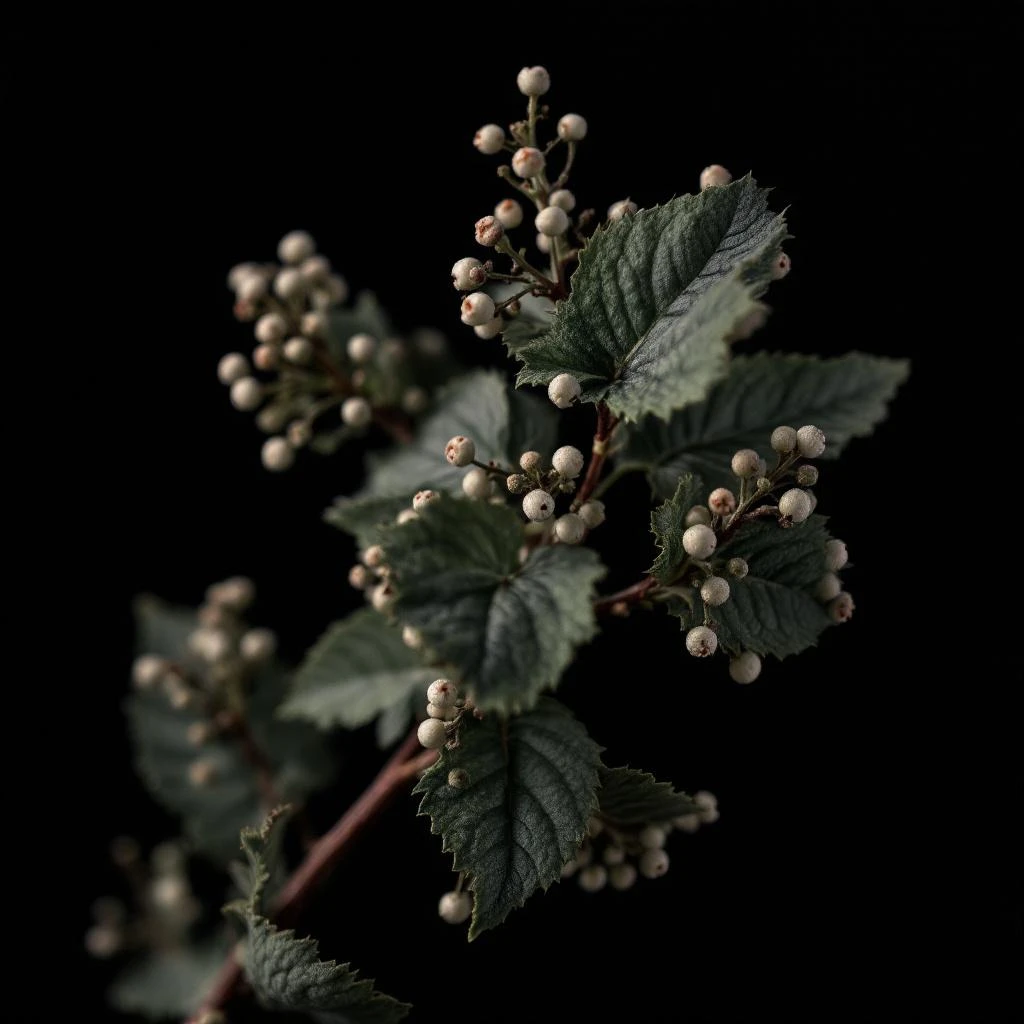
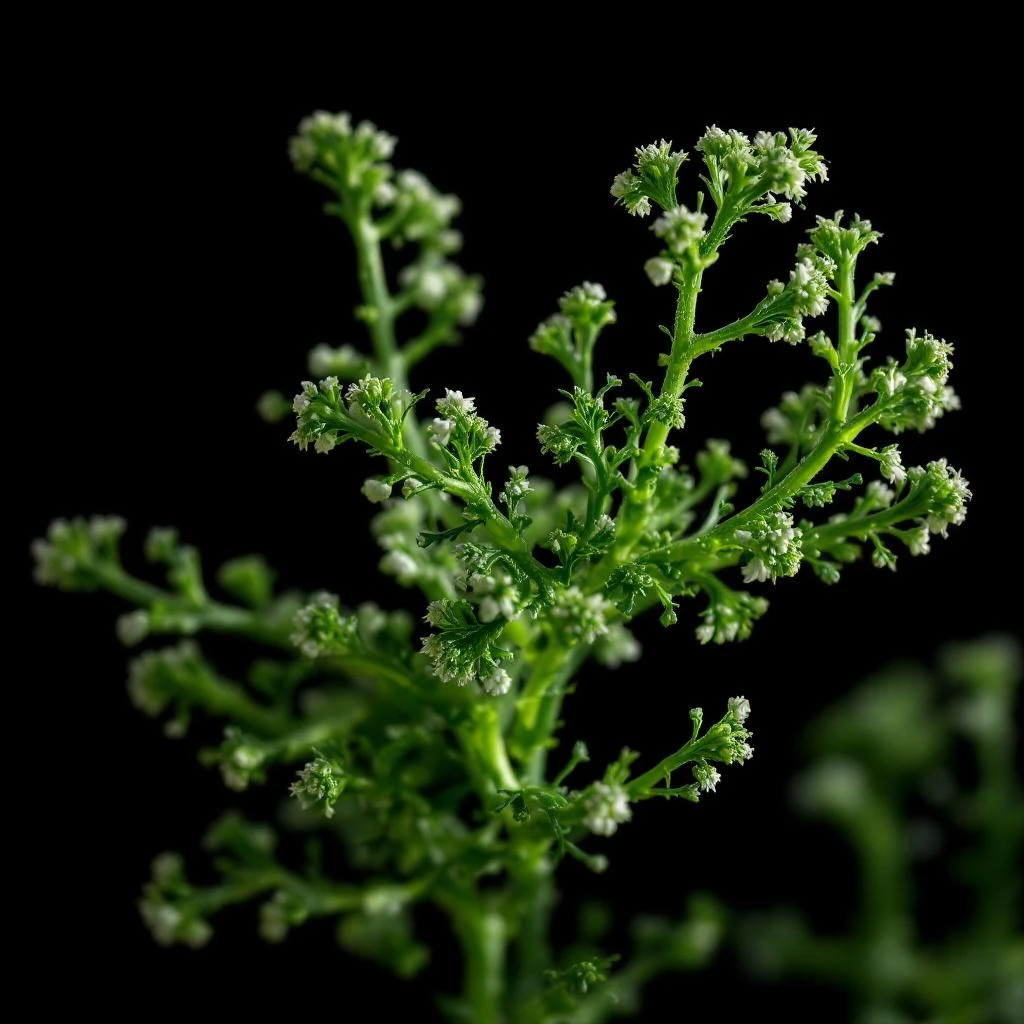
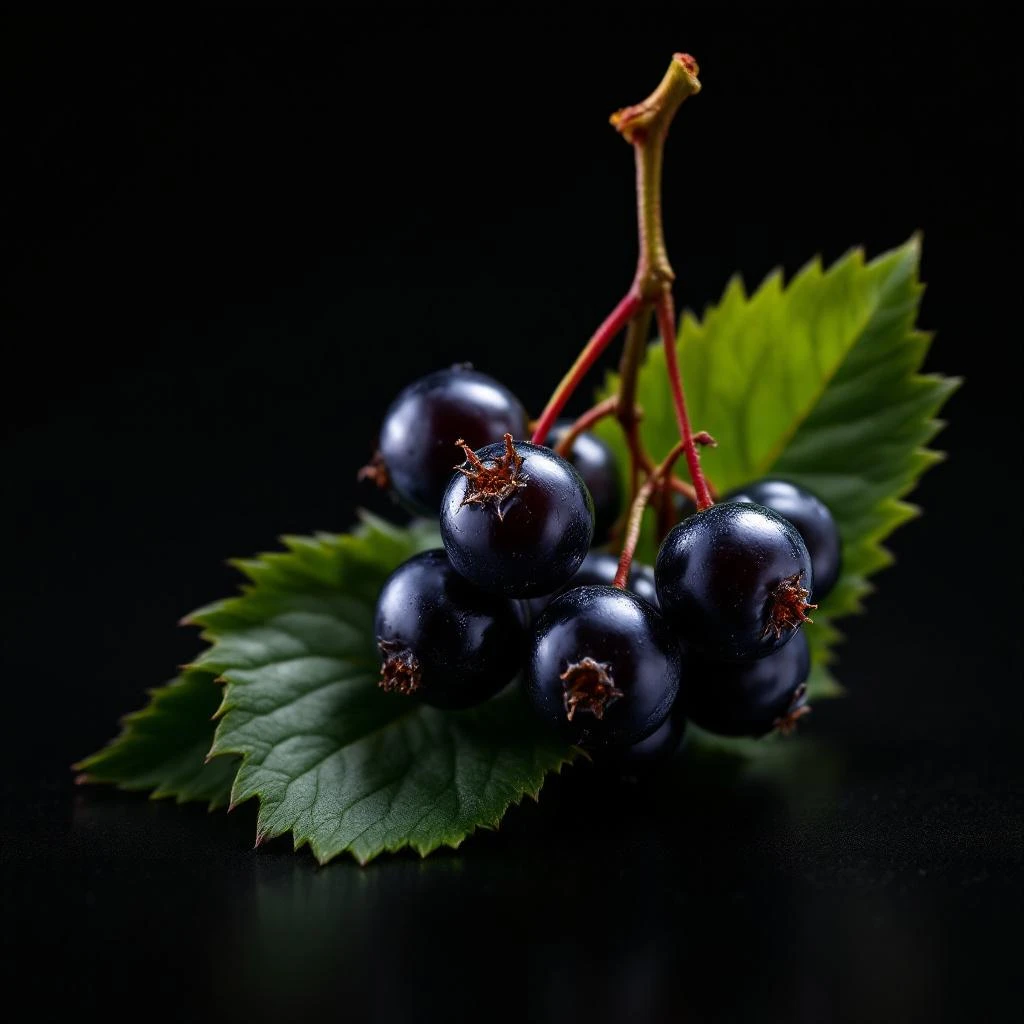
The opening hits sharp and tart. Blackcurrant and galbanum arrive together, bright, almost acidic, with a green snap that feels ozonic. It's the smell of air before rain. Then the geosmin takes over. That petrichor quality deepens the green notes into something earthier, more primal. Rose oil emerges slowly, not sweet but cool, sitting alongside frankincense that adds a thin curl of smoke. The combination reads almost mineral. Like standing in an empty church. The base arrives quietly. Ambroxan spreads a clean amber warmth across the skin. Vetiver and patchouli ground everything with dry earth and dark wood. The Calypsone adds a marine lift, a reminder of water, of the opening, but muted now, intimate. This is not a fragrance that announces itself six hours in. It becomes a shadow. Close. Quiet. Still yours.
Cultural Impact
The house operates on a single principle: perfume should provoke. No commercial briefs, no focus groups, no cost limits on raw materials. The result is a catalog of fragrances that treat the wearer's intelligence as a given, art-house transgression for those who do not need to smell likeable. Each release is a statement, a challenge to conventions, a refusal to play it safe. This is fragrance made for people who want their choices to mean something.
The House
France · Est. 2006
Étienne de Swardt founded Etat Libre d'Orange in 2006 with a manifesto: perfume should provoke. The house gives its perfumers total creative freedom — no commercial briefs, no focus groups. The result is a catalog of unapologetic scents, from the animalic shock of Sécrétions Magnifiques to the delicate restraint of Yes I Do. Perfumery as contemporary art.
If this were a song
Community picks
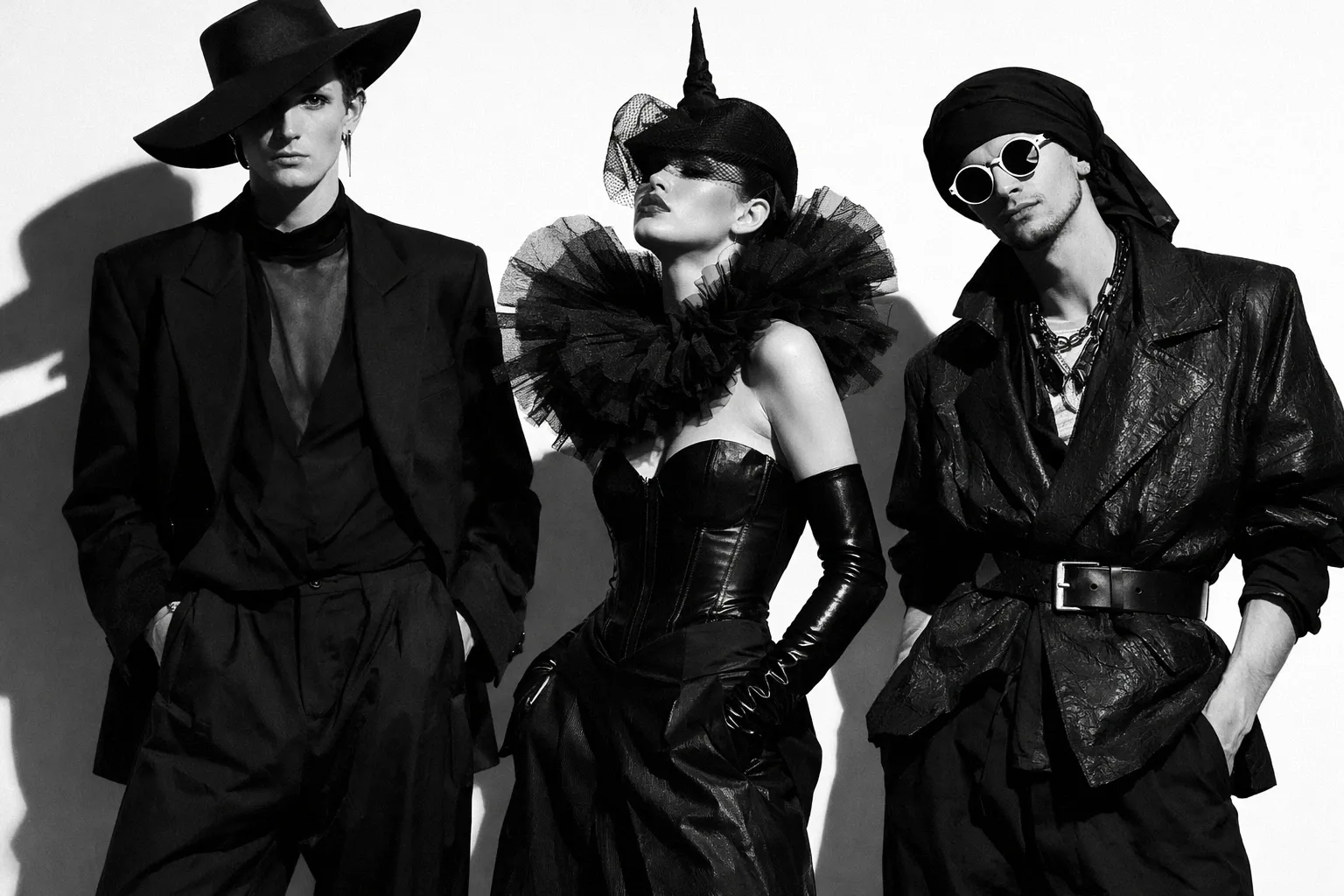
Dark romantic atmosphere. Gothic intensity meets mineral stillness, the feeling of standing in an empty church while rain falls outside. Post-punk and delicate textures carry the weight.
Lucretia My Reflection
Sisters of Mercy