


The Story
Why it exists.
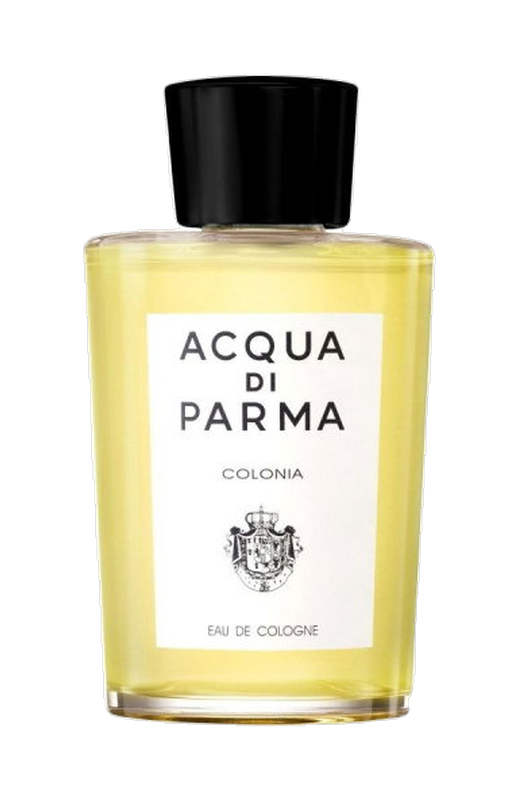
Baron Carlo Magnani traveled constantly, through Europe, across continents, and wherever he went, he wanted to carry something of home. Not a souvenir. An essence. In 1916, he commissioned a personal cologne from a small perfumery in Parma, Italy. His instructions were simple: capture Italian sunlight, the warmth of the Emilia-Romagna landscape, the clarity of Mediterranean air. The result was Colonia, a cologne that smelled like the Italian idea of itself. Refined. Bright. Uncomplicated in the best way. That original formula, commissioned by a nobleman for his own skin, is still sold today.
If this were a song
Community picks
Estate
João Gilberto
The Beginning
Baron Carlo Magnani traveled constantly, through Europe, across continents, and wherever he went, he wanted to carry something of home. Not a souvenir. An essence. In 1916, he commissioned a personal cologne from a small perfumery in Parma, Italy. His instructions were simple: capture Italian sunlight, the warmth of the Emilia-Romagna landscape, the clarity of Mediterranean air. The result was Colonia, a cologne that smelled like the Italian idea of itself. Refined. Bright. Uncomplicated in the best way. That original formula, commissioned by a nobleman for his own skin, is still sold today.
What's interesting about Colonia isn't what it does differently, it's what it refuses to do. No overdose of any single note. No dramatic performance piece. The structure is classical Italian cologne: citrus oils at the top, herbal heart in the middle, warm woods at the base. Calabrian bergamot leads because Italian citrus leads. Lavender and rosemary follow because those herbs grow everywhere in the Mediterranean. Sandalwood and patchouli ground it because that's what warmth does, it settles. One hundred and eight years of refinement, not reinvention. That's the point.
The Evolution
It opens like a door thrown open in summer. The citrus oils, bergamot, lemon, orange, hit immediately and without ceremony. No hesitation. No soft build. Within five minutes, the verbena arrives, that clean green snap that separates Italian citrus from everything else. The heart develops over the next hour. Lavender and rosemary arrive together, the way herbs do in late afternoon light. Bulgarian rose doesn't announce itself, it softens the edges, adds a breath of something floral without ever becoming girlish. This is the longest phase. The one where the fragrance earns its name. By hour two, the base notes begin their slow arrival. Patchouli first, earthy, grounded, then sandalwood spreading warmth like late sunlight. Vetiver adds a quiet smokiness that keeps everything from becoming too soft. The citrus is gone by now. What was bright has become intimate. The drydown lasts four to six hours. Moderate sillage, this fragrance never projects loudly. It sits close to the skin, a quiet companion rather than a statement.
Cultural Impact
Colonia has occupied a specific corner of fragrance culture for over a century, the corner reserved for Italian elegance, understated confidence, and the kind of refinement that doesn't announce itself. It was the cologne of choice for mid-century tastemakers, from European aristocrats to Hollywood actors who wanted something that smelled like success without smelling like they were trying. That positioning hasn't changed. Colonia still represents a certain kind of person: someone who has arrived, who doesn't need to prove anything, and who chooses classics over trends because classics earned their place.
The House
Italy · Est. 1916
Baron Carlo Magnani created Acqua di Parma in 1916 as his own signature scent. What began as one fragrance has become synonymous with Italian sophistication. Colonia, the house's founding creation, holds the distinction of being the first true Italian Eau de Cologne, and it remains unchanged today. Over a century later, the house still captures the essence of la dolce vita, pairing Mediterranean brightness with an understated luxury that appeals to those who prefer refinement to ostentation.
If this were a song
Community picks
An Italian summer afternoon, golden light through shutters, a glass of something cold on a terrace, the sound of your own ease. The playlist follows the fragrance's arc: bright opening, composed middle, warm close. Italian jazz and bossa nova carry the same restraint that Colonia does, confident without announcement, pleasurable without effort.
Estate
João Gilberto