
The Story
Why it exists.
The beginning
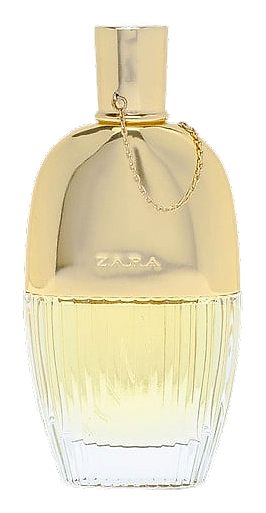
Zara Woman Gold arrived in 2014 as part of Zara's ongoing experiment in making style accessible without the luxury tax. The name itself signals intent, gold as aspiration, gold as everyday want rather than earned reward. Perfumer Hamid Merati-Kashani worked with a straightforward brief: sweetness that doesn't intimidate, florals that don't wilt in the first hour. The result is a fragrance that wears easily and apologizes for nothing. It doesn't announce itself so much as settle into a room like someone who belongs there.
What makes this composition interesting isn't any single ingredient, it's the restraint. Caramel could easily tip into burnt sugar; strawberry could go synthetic and sharp; vanilla could become an afterthought. Instead, each element stays within its lane, contributing warmth without dominance. The honey note threading through isn't the aggressive,medicinal kind, it's soft, golden, barely there. That gentleness is harder to achieve than force. Zara and Merati-Kashani chose ease over intensity, and the composition rewards that choice with wearability that many louder fragrances simply can't match.
The evolution
The opening introduces jasmine and gardenia together, a white floral duo that's creamy rather than green. For about twenty minutes, it reads bright and clean, almost soapy in the best possible way. Then the strawberry arrives, thick and jammy, pushing the florals to the background. The transition isn't dramatic, it's more like someone stepping slightly to the side to let someone else speak. The vanilla follows within the hour, not competing with the strawberry but shadowing it, adding body. By the third hour, the musk has come forward and the whole thing has softened into something powdery and close to the skin. On fabric, the drydown lingers into the next morning as a faint sweetness, warm, barely there, the ghost of the afternoon it wore.
Cultural impact
Zara Woman Gold occupies a specific and often-overlooked niche in the fragrance landscape: the everyday luxury that doesn't perform. It's sweet enough to feel special, restrained enough to wear to work. The 2014 launch predates the current wave of accessible prestige fragrances, positioning it as an early example of what the market would later catch up to. Wearers tend to describe it as the scent of someone comfortable in their own skin, not trying to prove anything, not collecting compliments, just existing pleasantly in a space that smells good.
The House
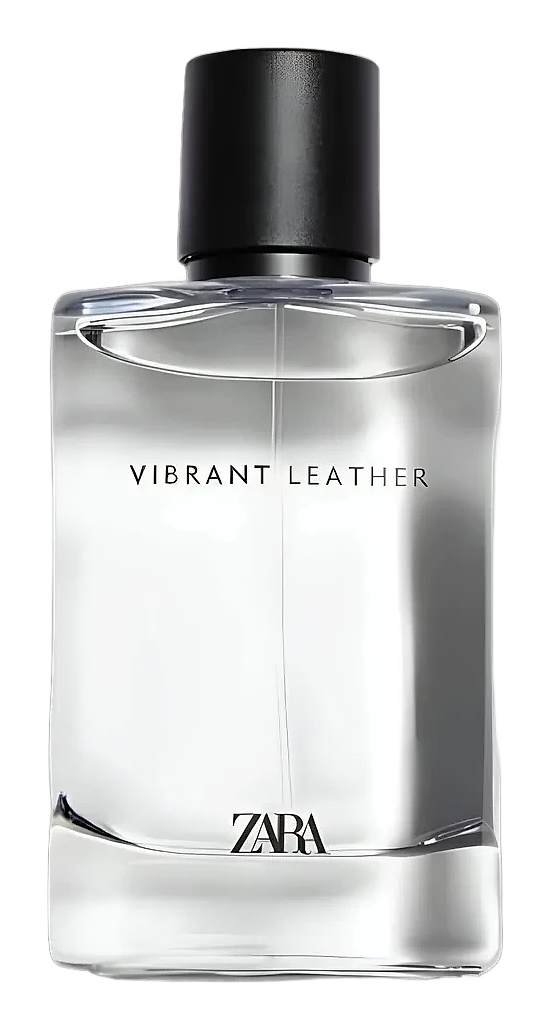
ZaraZara is a Spanish fashion retailer headquartered in Arteixo, Galicia, operating under the Inditex group. Founded in 1975 by Amancio Ortega and Rosalía Mera, the brand evolved from a single store into a global fashion powerhouse with over 2,000 locations across 90 countries. Zara entered the fragrance market in 1998 through a partnership with Spanish fragrance house Puig. The brand gained significant attention in the fragrance world through its 2019 collaboration with independent perfumer Jo Malone CBE, founder of Jo Loves. Zara fragrances are available through the brand's own boutiques and online store, positioned alongside its clothing, accessories, and home goods lines. The brand's fragrance portfolio spans diverse styles, from gourmand favorites like Delicious Peach (2024) to timeless classics such as Zara Man 2000, with recent releases including Vibrant Leather Summer Breeze (2025).
The Creator
Hamid Merati-KashaniFrom the evidence available, Merati-Kashani's style tends toward the opulent and the gourmand, with a clear appreciation for rich, complex accords. There's often a signature use of vanilla, spices, and woods, creating fragrances that are warm and inviting.