The Story
Why it exists.
The beginning
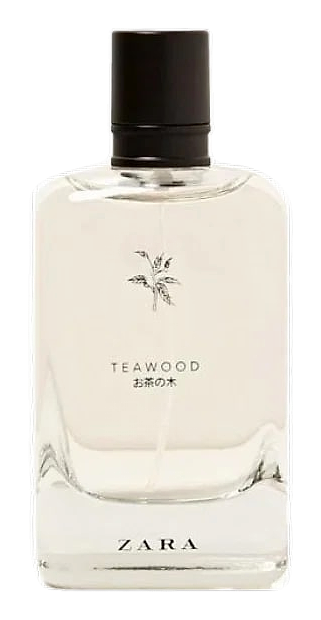
Teawood landed in Zara's fragrance line in 2017, part of the Spanish retailer's expanding scent catalog. The name does the heavy lifting. It tells you what to expect before the cap comes off: woods, and the smoke-tinged ritual of brewing. Zara built its fragrance identity around accessibility and trend-awareness, and Teawood reflects that philosophy. The composition leans into territory that feels considered, a blend that nods to niche-style woods and tea without losing its mass-market footing. On skin, the opening carries a sharp citrus brightness that quickly yields to a darker, more resinous heart. The woods arrive in layers rather than as a single block, guaiac bringing that creamy smoke, cedar adding a dry edge, sandalwood offering its familiar milky warmth.
What's unusual here is the cast of woods working alongside the tea. Guaiac wood brings a creamy, almost lactonic smoke, the kind you'd find in aged whisky barrels rather than a fireplace. Cypriol (also called nagarmotha) contributes an earthy, rooty dryness that grounds the brighter notes above it. Cedarwood sharpens, sandalwood smooths, and the overall effect in the heart is cool and slightly watery, a flicker of something green that keeps the woods from feeling heavy or overly resinous.
The evolution
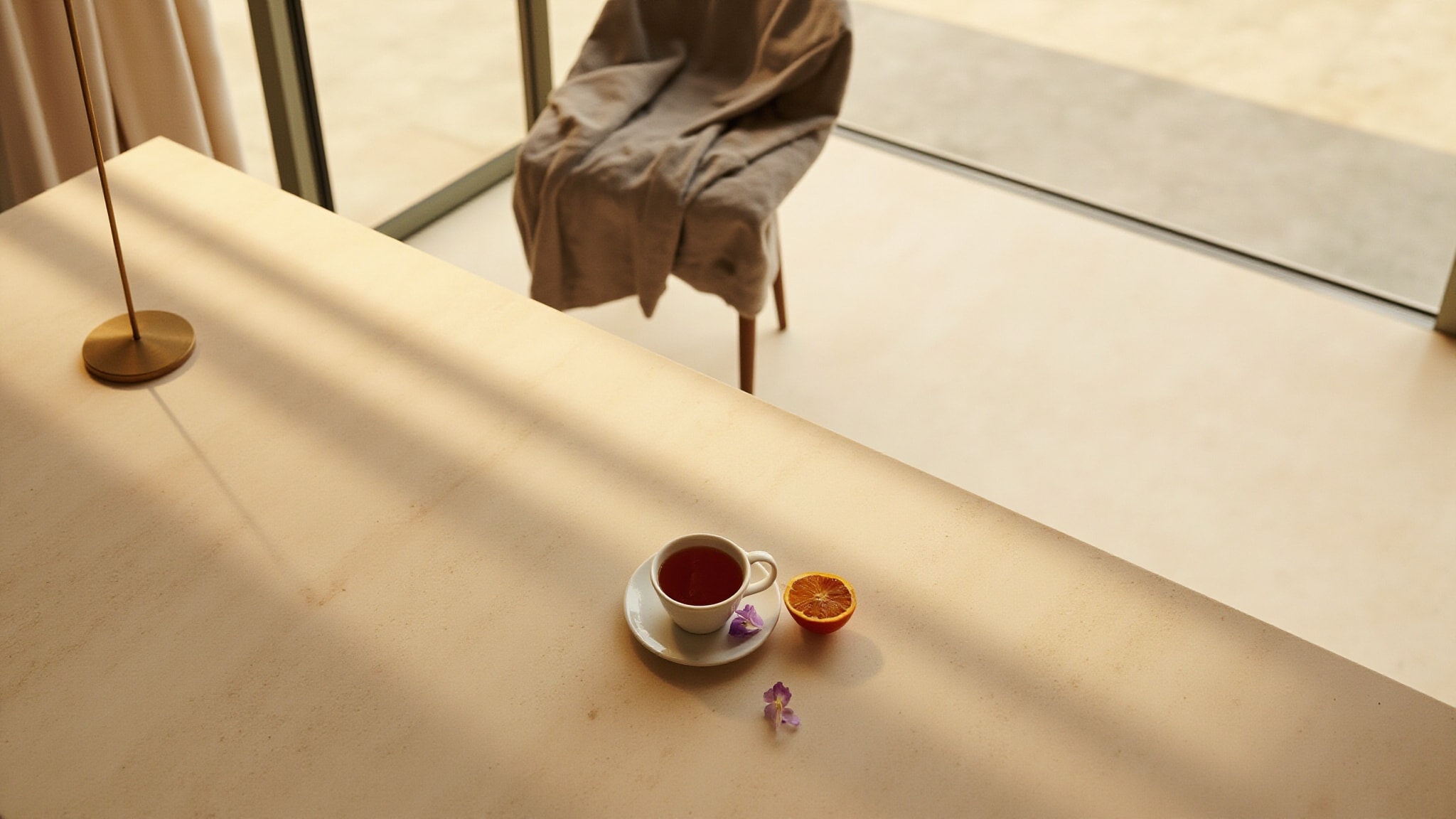
First 15 minutes: the citrus leads, all sharp edges. Bergamot and lemon announce themselves with the confidence of someone who knows they'll be leaving soon. The cardamom hums underneath, warming the cold citrus without weighing it down. After about 30 minutes, the architecture shifts. Tea arrives on skin like steam rising from a cup, joined by fig's quiet sweetness and the violet-heliotrope coolness at the heart. The woods haven't appeared yet, they're loading. Hour two to four: this is where Teawood earns its name. The guaiac wood, cedarwood, sandalwood, and cypriol coalesce into a dry, slightly smoky wood blanket that sits close to skin without disappearing. The tea never fully leaves, it just becomes part of the wood's texture. The drydown, from hour five onward, is a study in restraint: skin-warm sandalwood, a thread of musk, the faintest memory of fig and violet. On fabric the next morning, what remains is mostly musk and cedar, faint but unmistakable.
Cultural impact
The fragrance circulated widely after its release and became a frequent recommendation in budget-focused fragrance communities, where readers praised its composition for the price. It earned a reputation as a quietly ambitious scent, something that read above its weight tier and offered genuine complexity rather than a flat synthetic impression. In online forums and review threads, Teawood became shorthand for the idea that a Zara bottle could surprise you, that the line between fast-fashion fragrance and something more considered was thinner than most people assumed.