The Story
Why it exists.
The beginning
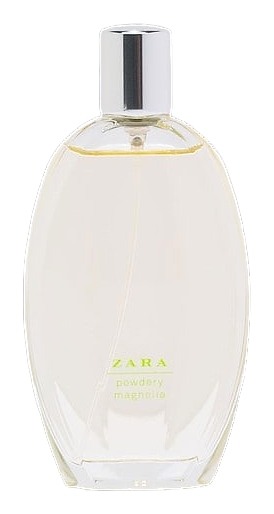
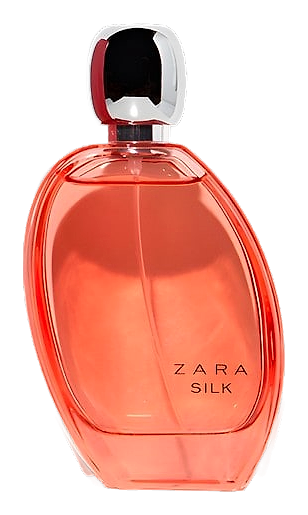
Silk arrived as part of Zara's ongoing effort to make considered fragrance accessible. The name says it all, smooth, refined, close-fitting. Where some fashion-house scents lean into complexity and projection, Silk keeps things quiet. It was designed for the woman who wants to smell like she just showered and dressed without thinking too hard about it.
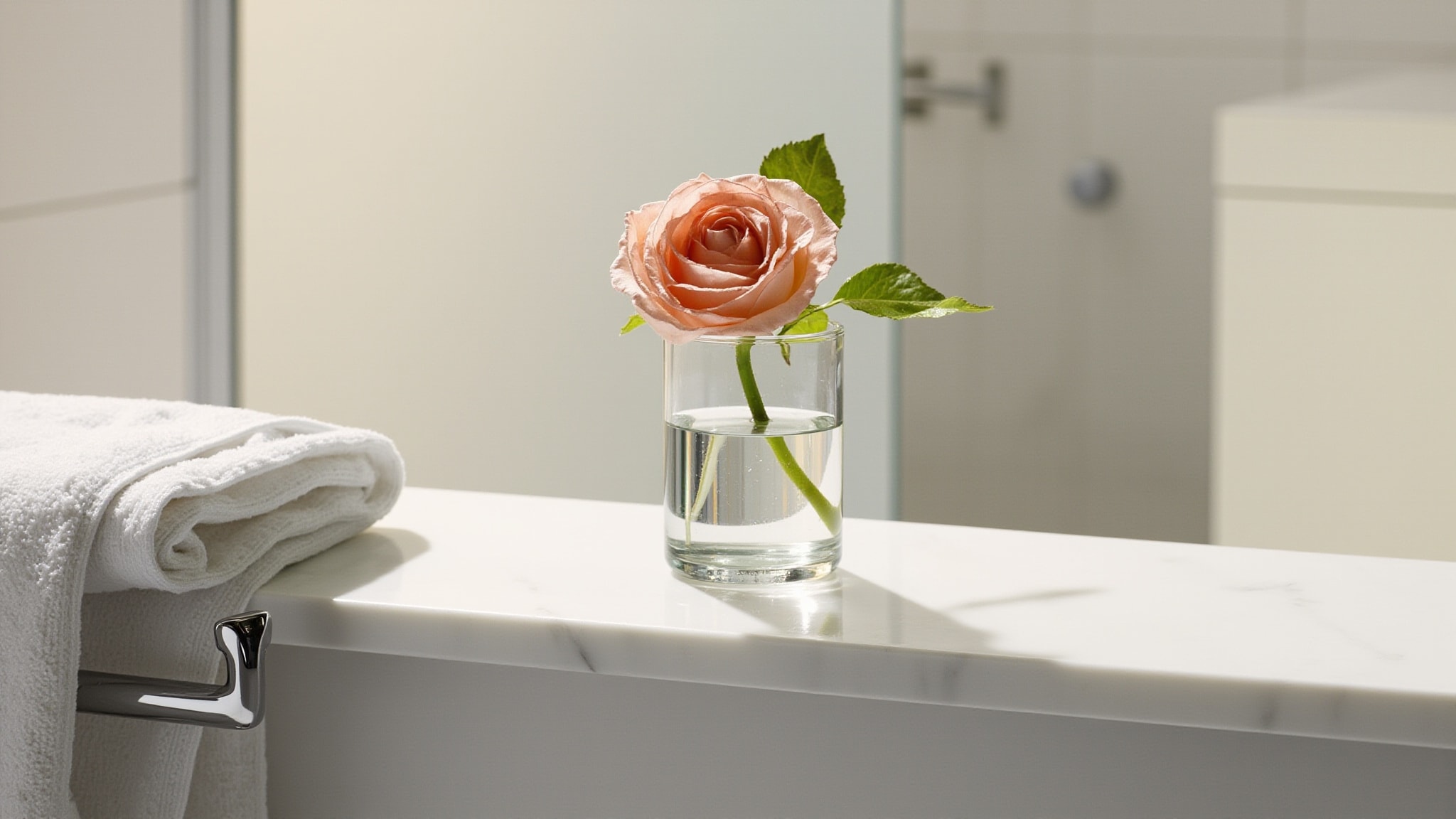
What makes Silk interesting is its restraint. Yuzu as a top note is bright and almost sharp, the kind of citrus that doesn't apologize for itself. But rose and magnolia soften the landing immediately, creating a fresh-floral impression rather than a bold statement. The musk base keeps everything intimate, close to skin. It's not a fragrance that announces itself across a room. It whispers, and only if you're leaning in.
The evolution
Yuzu opens the composition with sharp, clean citrus, about thirty minutes of brightness before it yields. The rose and magnolia arrive together, not competing but harmonizing into something powdery-soft and undeniably floral. This heart phase holds for a couple of hours, maintaining that fresh-washed quality. The drydown strips everything back to musk and the faintest trace of rose, close enough to feel like your skin, not the bottle.
Cultural impact
Discontinued but not forgotten. Silk built a small cult following among those who wanted clean, fresh-floral without the commitment or cost of niche. The fabric-softener comparison comes up often, and that's not an insult here, it's the appeal. Zara's positioning as an accessible fashion retailer made this an entry point for many fragrance newcomers.