The Story
Why it exists.
The beginning
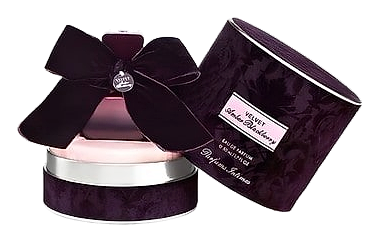
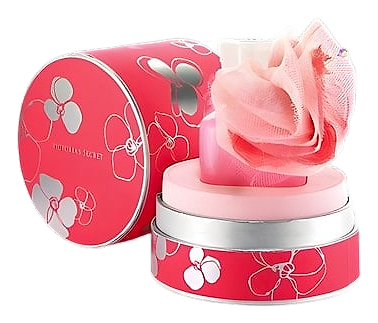
Sherapop created Chiffon Peony Freesia in 2010 as part of Victoria's Secret's Parfums Intimes series, a collection where each fragrance drew from the fabrics used in lingerie design. Lace, satin, silk, cashmere, velvet, and chiffon each got their own interpretation. Chiffon, the lightest textile in the lineup, became a fragrance that refuses to weigh anything down.
The Parfums Intimes series took its fabric inspiration literally. Chiffon, diaphanous, barely-there, asked the question: what does a fabric smell like when it becomes air? Sherapop's answer was a composition built on restraint. Freesia and peony are fragile flowers. Without structure, they disappear. The bergamot gives them lift. The vanilla gives them somewhere to land. It's a delicate balance, and the fact that it works is the real craftsmanship.
The evolution
The bergamot opens bright and citrusy, just enough to announce itself before the florals take over. White freesia arrives cool and green-floral, like stepping into morning light. Peony follows within minutes, adding roundness and a soft powdery-rose quality. The hand-off happens gradually: freesia and peony blend into one unified note, while vanilla begins its quiet work underneath. By the drydown, vanilla owns the composition. Warm, slightly sweet, present, it outlasts the florals by hours. On fabric, it stays close and intimate, a second-skin effect that doesn't project but doesn't need to.
Cultural impact
Chiffon Peony Freesia landed in 2010 as the sixth and final chapter of the Parfums Intimes series, which was discontinued not long after launch. The collection, inspired by lingerie fabrics from lace to velvet, positioned these as intimate, luxury-adjacent scents. For a certain kind of fragrance lover, the discontinued ones carry extra weight. This one has found its audience slowly, quietly, the way all great soft florals do.
The House
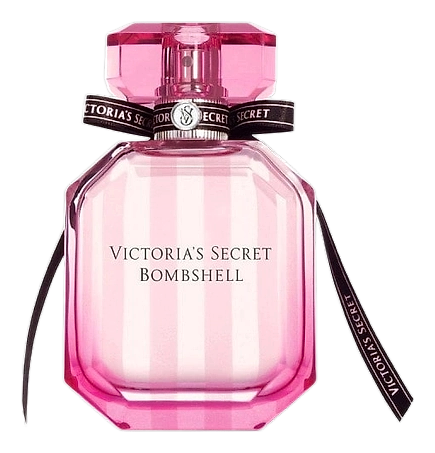
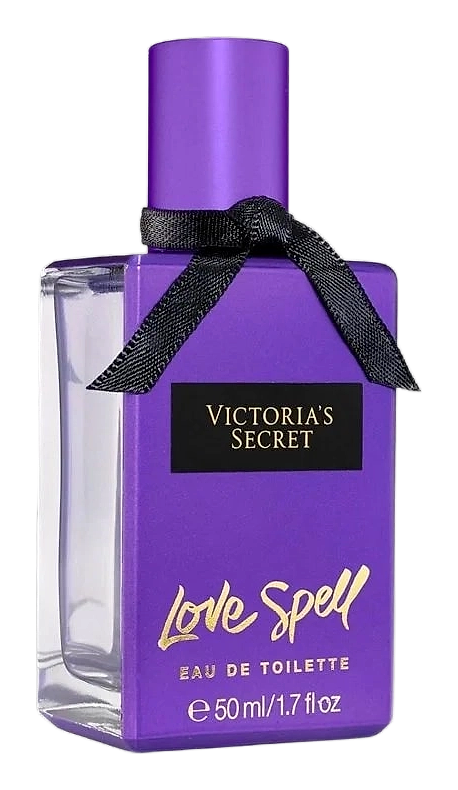
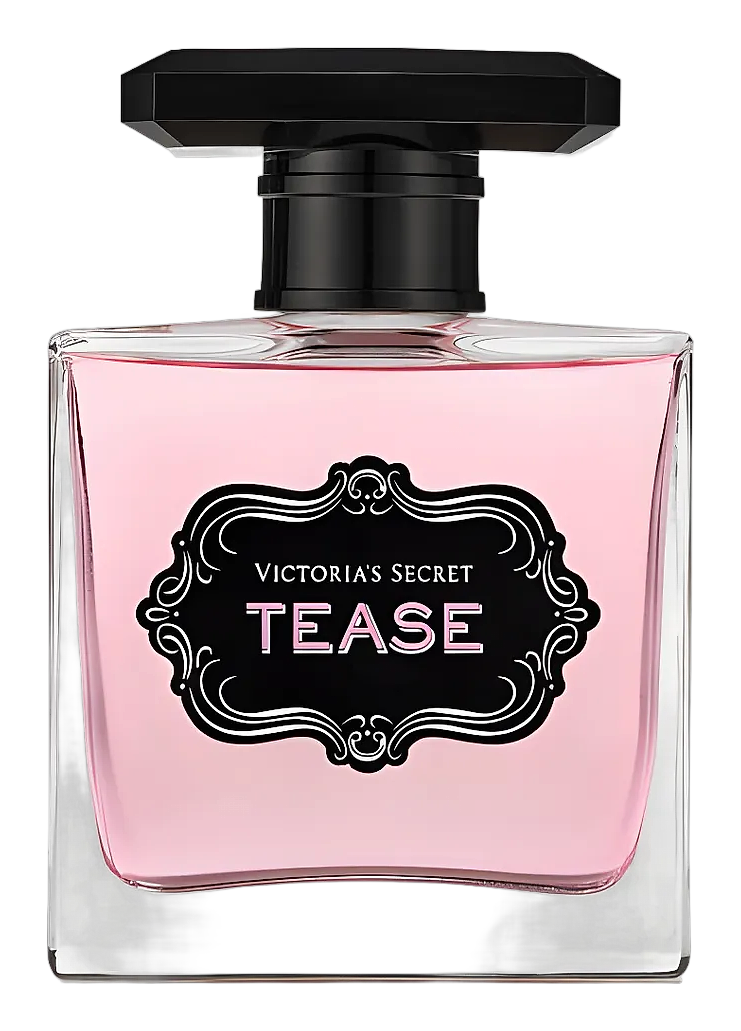
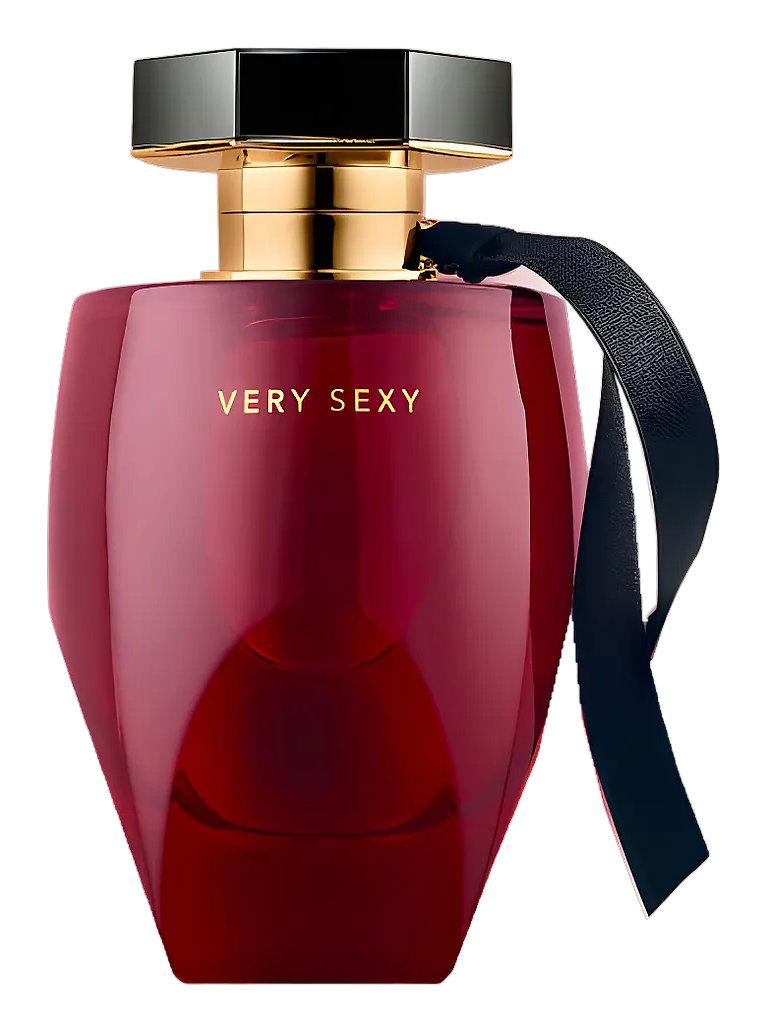
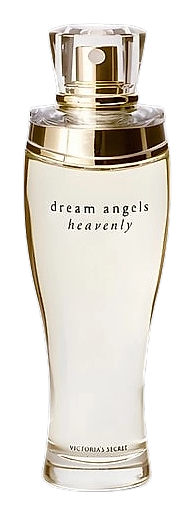
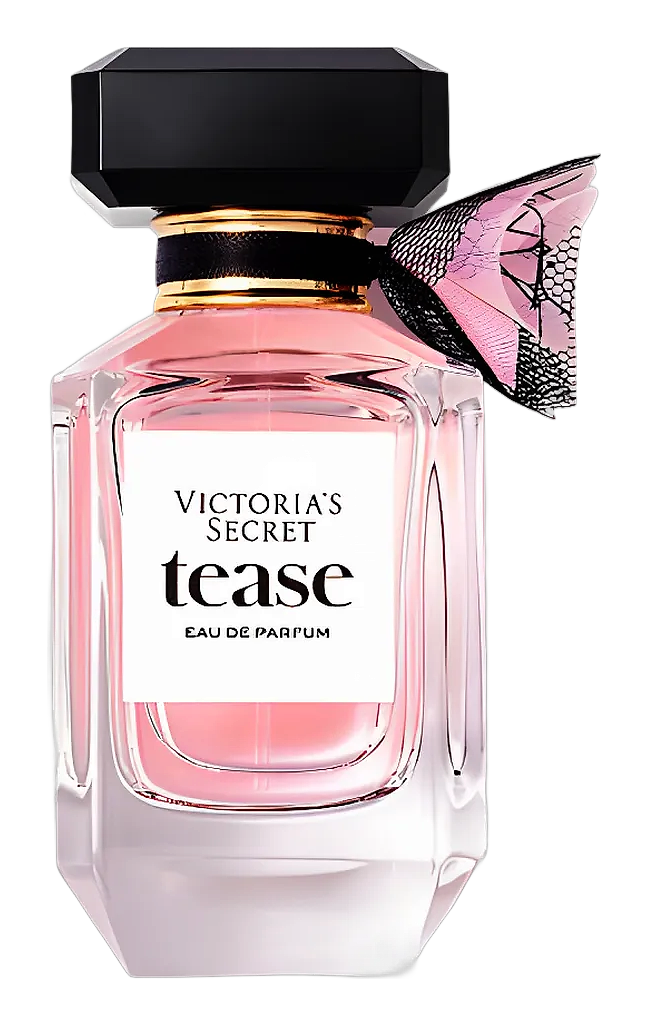
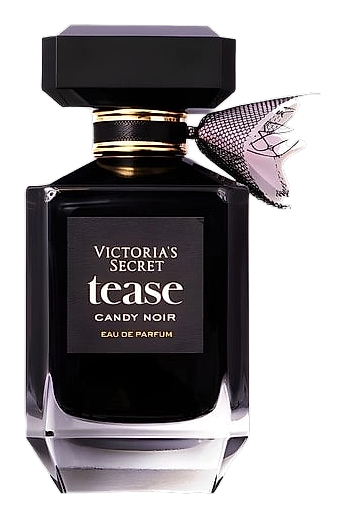
Victoria's SecretVictoria's Secret began as a San Francisco lingerie company founded in 1977 by Stanford graduate student Roy Raymond and his wife Gaye. The brand entered fragrance in 1989, launching its first perfume Victoria as part of a national magazine campaign. By the early 1990s, the company had grown to 350 stores nationwide with estimated sales of $1 billion. The beauty division grew substantially enough to generate nearly $1 billion in sales by 2006. Victoria's Secret fragrances are developed through Givaudan's Paris laboratory, the same fragrance house behind perfumes for Tom Ford, Prada, and Louis Vuitton. The brand works with a rotating roster of over 30 perfumers rather than a single in-house nose, creating scents for its Dream Angels, Very Sexy, Body, and Pink collections. Popular fragrances include Bombshell, Love Spell, Tease, and Heavenly, which ranked as the top-selling fragrance in the United States by both revenue and volume from 2005 to 2010. Victoria's Secret has won 20 Fragrance Foundation awards since 2001. The company offers fragrances alongside perfumed body care products including body mists, body lotions, and eau de parfum in various formats.
The Creator
SherapopSherapop's signature leans toward transparent, luminous florals with clean structural support. Their work with violet (Les Fleurs Violette) demonstrates comfort with powdery, romantic florality, while the peony-freesia pairing in Chiffon Peony Freesia shows affinity for fresh,…