The Story
Why it exists.
The beginning
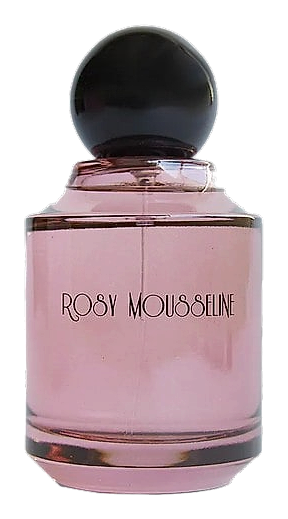
Rosy Mousseline arrived in 2020, part of Zara's ongoing expansion into accessible but considered fragrance. Perfumer Karine Vinchon-Spehner worked with a restrained brief: three materials, one concept. The name itself is the direction, mousseline as fabric, as weightlessness, as something that grazes skin without sitting heavy. It was built to fill a gap in the Zara catalog: a floral that leaned soft rather than statement. Not a projection fragrance. Something closer.
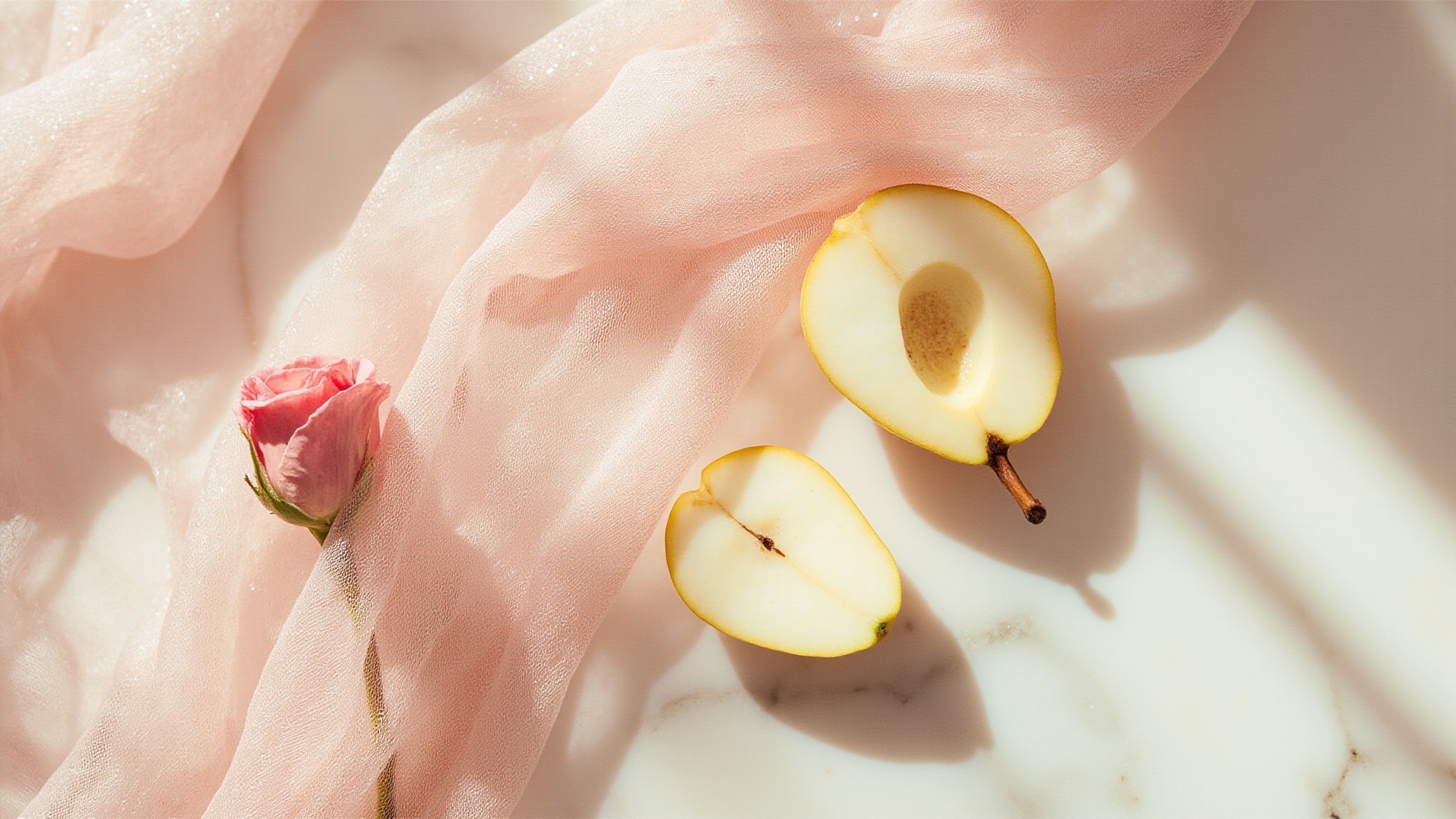
The three materials here do quiet, specific work. Pear opens fresh and slightly watery, a green bite that wakes the nose without demanding attention. The rose that follows isn't heady or saturated; it's translucent, the kind that reads as petals rather than perfume. Then there's ambrette, which isn't a common base note in accessible fragrances. Derived from musk mallow seeds, it carries a faint nuttiness alongside its warmth. It softens the rose-pear transition and extends the drydown into something that clings to skin without projecting far. The structure rewards patience. It was designed to be discovered, not announced.
The evolution
The opening announces itself with crisp pear, bright, a little dewy, like biting into something ripe at the farmers market. Thirty minutes in, the rose appears. It doesn't storm the stage. It drifts, softened by ambrette's early influence, already beginning to powder. The pear doesn't vanish; it dilutes, becoming a freshness threaded through the floral rather than a competing note. By hour two, ambrette owns the composition. Warm, faintly sweet, with that distinctive nutty-hum that makes skin smell like skin. The drydown isn't a dramatic shift, it's an intimacy. It stays close. It stays long. Six to eight hours on most skin, quieter as the hours accumulate. By the end, you've worn it in.
Cultural impact
Rosy Mousseline represents Zara's continued push into considered fragrance. The pear-rose-ambrette combination is more interesting than it looks on paper, particularly the ambrette, which gives the drydown a warmth and intimacy that distinguishes it from safer florals. It's the kind of fragrance that invites discovery rather than demanding attention, appealing to a wearer who knows what they want without needing to announce it.
The House
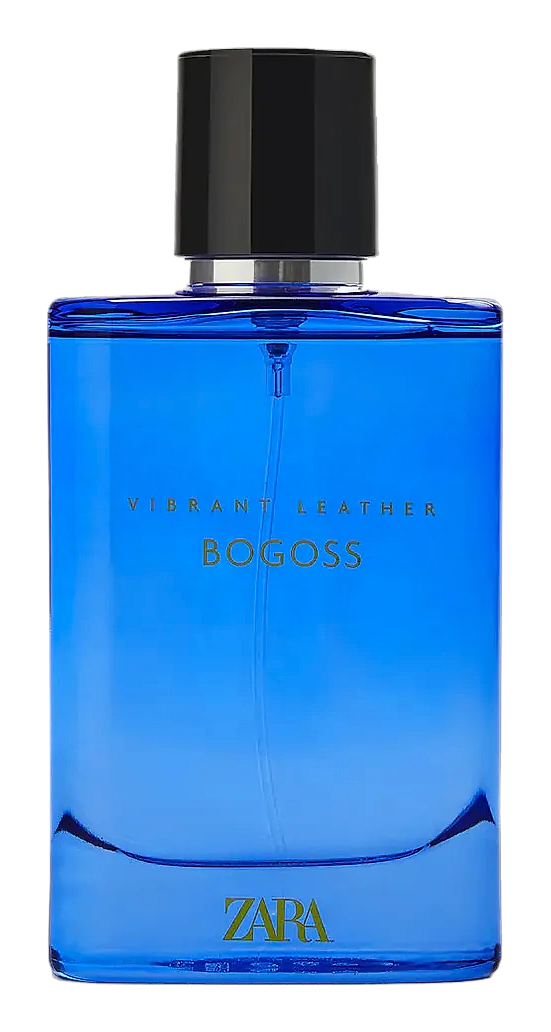
ZaraZara is a Spanish fashion retailer headquartered in Arteixo, Galicia, operating under the Inditex group. Founded in 1975 by Amancio Ortega and Rosalía Mera, the brand evolved from a single store into a global fashion powerhouse with over 2,000 locations across 90 countries. Zara entered the fragrance market in 1998 through a partnership with Spanish fragrance house Puig. The brand gained significant attention in the fragrance world through its 2019 collaboration with independent perfumer Jo Malone CBE, founder of Jo Loves. Zara fragrances are available through the brand's own boutiques and online store, positioned alongside its clothing, accessories, and home goods lines. The brand's fragrance portfolio spans diverse styles, from gourmand favorites like Delicious Peach (2024) to timeless classics such as Zara Man 2000, with recent releases including Vibrant Leather Summer Breeze (2025).
The Creator
Karine Vinchon-SpehnerKarine's signature centers on natural raw materials used with liberal hand. She gravitates toward warm, enveloping notes: amber, rich woods, and earthier elements.