
The Story
Why it exists.
The beginning
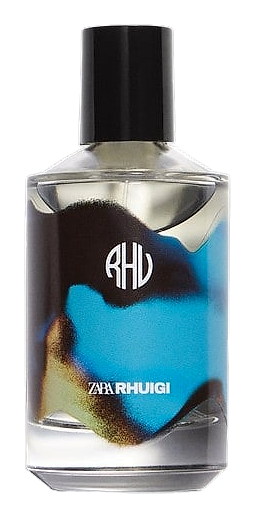
Rhuigi takes its name from a creative direction, not a place or person, it's a composition first, identity second. Zara built this fragrance around the idea of a spiced cocktail: the kind of evening ritual that marks the transition from workday to something looser, more interesting. The liquorous gin accord with grapefruit and cinnamon is the centerpiece, it's not a metaphor for a drink, it's the actual scent of that moment translated into something wearable. The brief was clear: capture the energy of a well-made gin cocktail, the brightness and the warmth in the same glass.
What makes Rhuigi interesting is the way it holds two tensions at once. The gin-grapefruit opening is crisp, almost sharp, the botanical clarity you'd expect. But the cinnamon underneath adds a warmth that shifts the whole composition toward something spicier, more aromatic. The heart of iris and lavender doesn't soften the fragrance so much as complicate it: powdery elegance meeting herbal greenness. Sage is the quiet workhorse here, adding texture without announcing itself. The vetiver base is dry, earthy, and stays close, a drydown that whispers rather than shouts.
The evolution
The opening hits immediately: gin-forward with grapefruit's tart citrus bite and a spike of cinnamon warmth. It smells like someone just made a drink beside you, the botanicals are that distinct. Within 20 minutes, the heart arrives: iris and lavender smoothing the edges, sage adding a quiet herbal lift. The composition becomes softer, more rounded, less about the initial punch. By hour three, vetiver takes over. The drydown is dry and earthy, this is where the fragrance earns its mature reputation. Vetiver on skin is never sweet; it's the smell of something grounded, close, lasting. At hour six, it's still there if you press your wrist to your nose. A whisper, not a shout.
Cultural impact
Rhuigi landed in 2023 at a moment when the market for masculine fragrances is actively rethinking what "fresh" means. Gone are the days when aquatic and ozonic notes defined every male fragrance's idea of modernity. The gin-lavender-vetiver axis here represents a different kind of contemporary masculine: aromatic but not aggressive, herbal but not rustic, warm but not heavy. Zara's positioning, accessible trend-consciousness, means this fragrance reaches a man who might be priced out of comparable compositions from heritage houses. Enthusiasts have responded with a loyal following and notable respect for its distinctive character and value proposition.