The Story
Why it exists.
The beginning
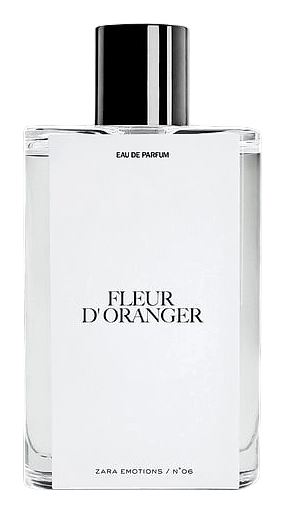
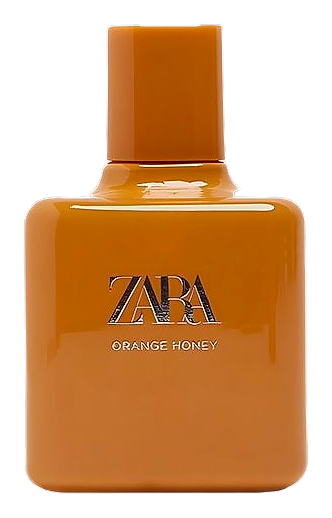
Orange Honey arrived in 2019 as part of Zara's fragrance relaunch under a collaboration with Jo Malone CBE. That partnership brought serious perfumery credibility to the brand's accessible approach. Where other fast-fashion fragrances pile on the notes to signal complexity, Orange Honey went the other direction entirely.
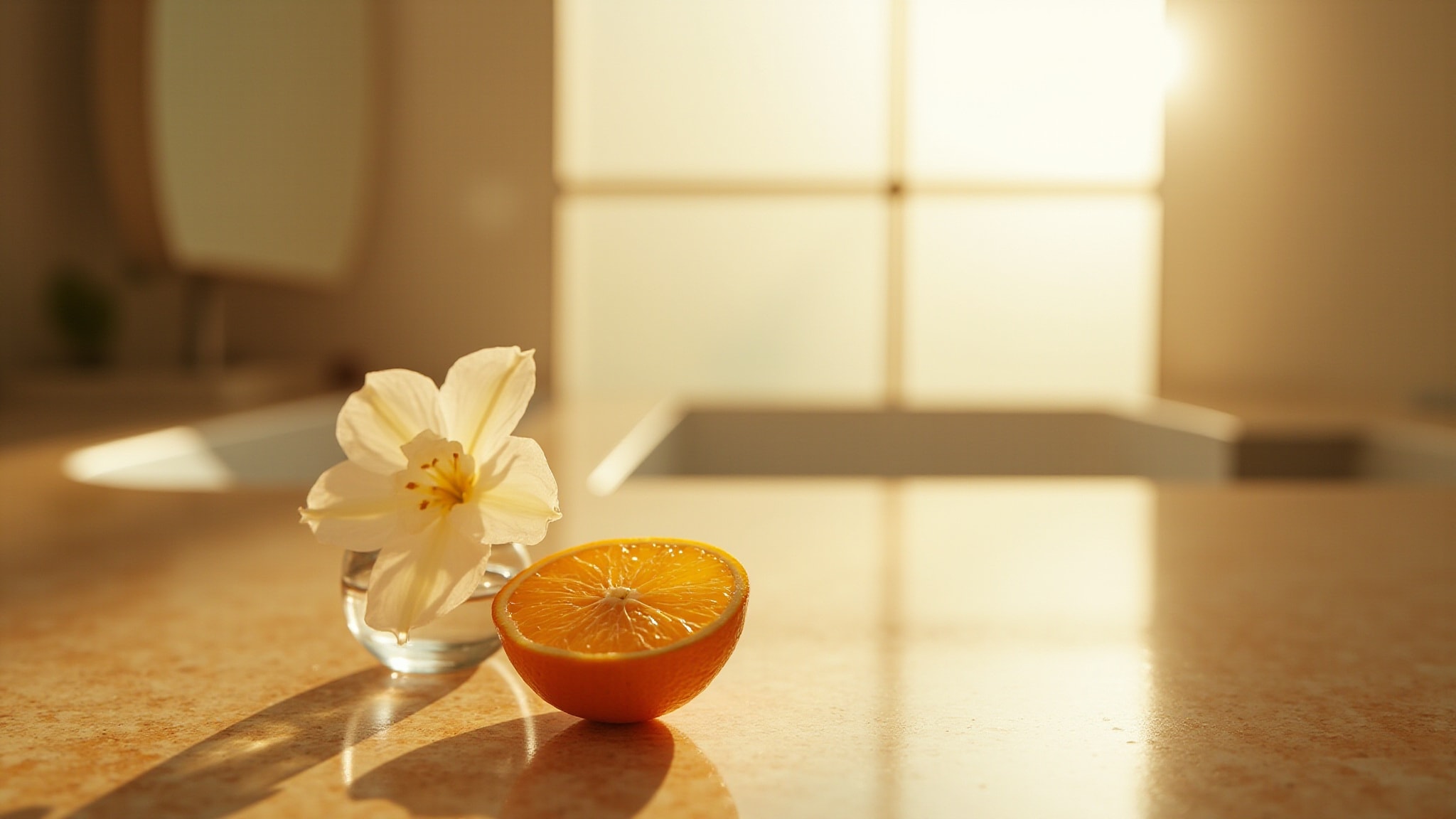
The composition is built around restraint. Three materials, each doing exactly one job. Neroli opens bright. Orange Blossom holds the middle with clean floral clarity. Orchid softens everything as it settles, creating that skin-warm texture in the drydown. The minimalism isn't a limitation. It's the point. When you only have three notes, nothing can hide. Everything has to earn its place.
The evolution
The opening hits fast. Bright citrus that reads more like orange zest than perfume for the first fifteen minutes. Then the orange blossom takes over, cleaner and more soapy than expected. The transition isn't dramatic. It just gets quieter. By hour three, you're left with a soft orchid warmth that sits close to the skin. Moderate sillage throughout, but it doesn't disappear. Six to eight hours on most skin types.
Cultural impact
Orange Honey found its audience through sheer value. Three notes, well-executed, priced to disappear from the shelf. The fragrance earned a reputation as a smart buy, the kind of scent people recommended when someone wanted something wearable and affordable without apology. Its success lies in making quality feel accessible.