The Story
Why it exists.
The beginning
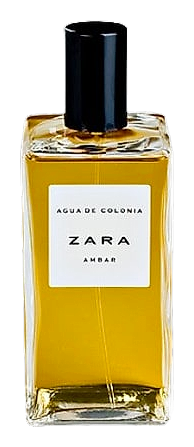
Zara entered the fragrance market in 1998 through a partnership with Spanish fragrance house Puig, bringing professional scent craft to the brand's accessible fashion model. By 2008, the house had established itself as a serious player in designer fragrance, and the men's collection was expanding. Ambar arrived that year as one of three releases, alongside Vetiver and Sandalo, marking a deliberate move into warmer, more complex masculine territory. The amber-focused brief reflected a broader trend in men's fragrance at the time, but Zara's interpretation kept things stripped back and wearable.
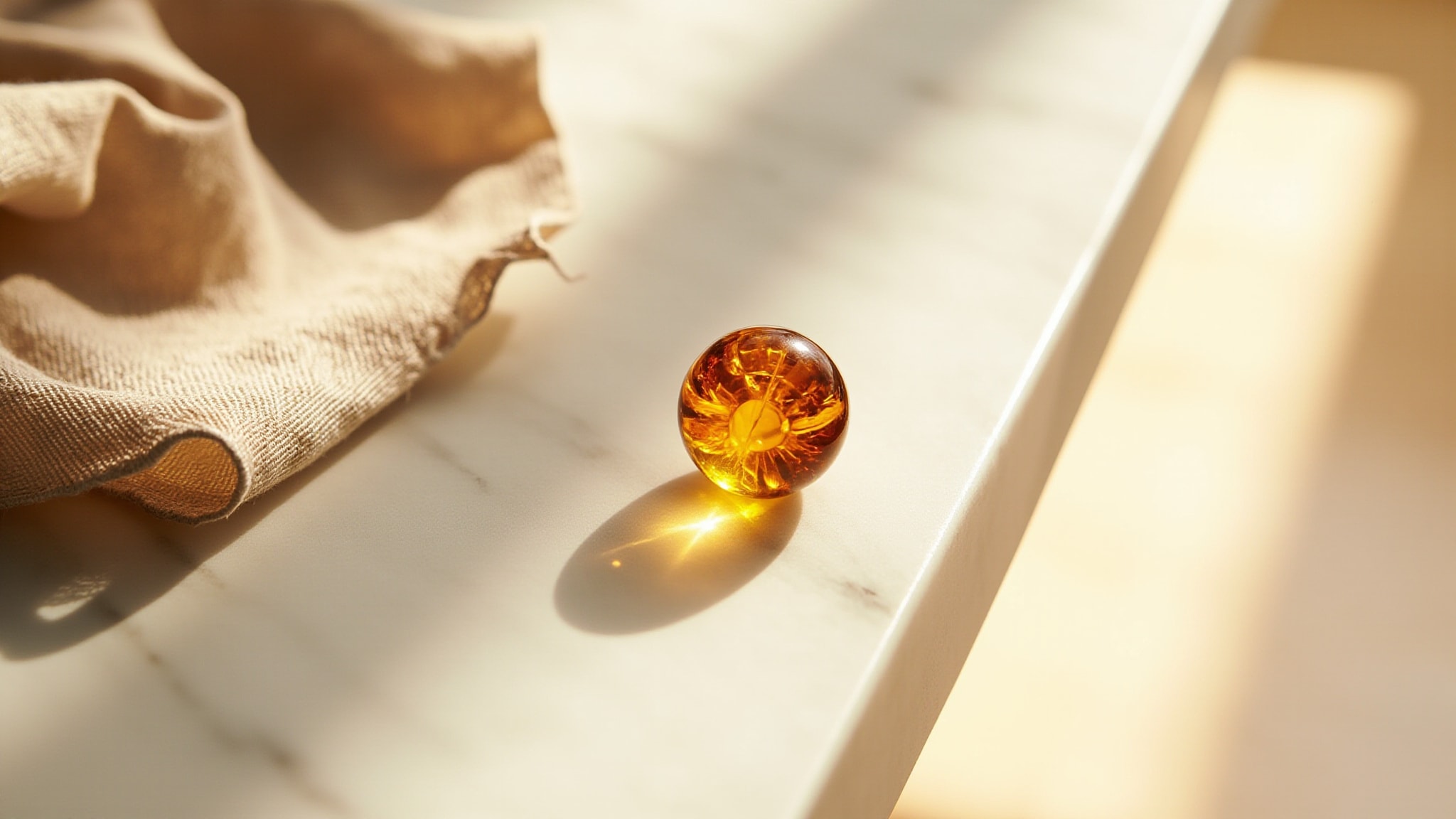
Ambar stands out for its restraint. Amber as a primary material is inherently rich, honeyed, and resinous, a note that can easily tip into heaviness or syrupy sweetness. By pairing it with powdery florals and a soft animalic drydown, the composition keeps the warmth from becoming overwhelming. Instead of projecting loudly, it settles close to skin and evolves slowly, which is unusual for a 2008-era designer fragrance that wasn't positioned as niche or exclusive. The result is something that reads as quietly confident rather than performative, the kind of scent that rewards someone who gets close enough to notice.
The evolution
The opening arrives warm and rounded, amber-forward with a brief whisper of powder that softens the resinous edges. There's a floral hint in the first minutes, rose or tuberose, subtle, but it doesn't announce itself. Within 20 minutes, the composition settles into its heart. The florals recede and the amber deepens, taking on a honey-warm quality that feels skin-like rather than synthetic. This middle phase lasts the longest, maybe three to four hours, and it's the part wearers tend to remember. The drydown is where the animalic element surfaces, soft and skin-adjacent, musky without being aggressive. By hour six or seven, it's a quiet warmth clinging close, the kind of scent you catch when you press your wrist to your nose. On fabric, it lasts until the next morning.
Cultural impact
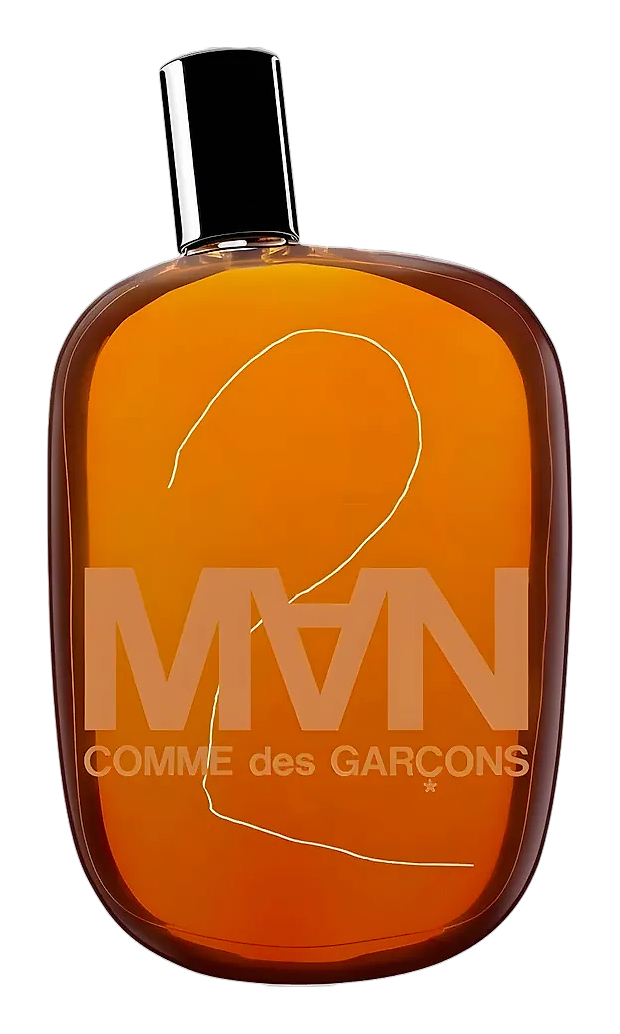
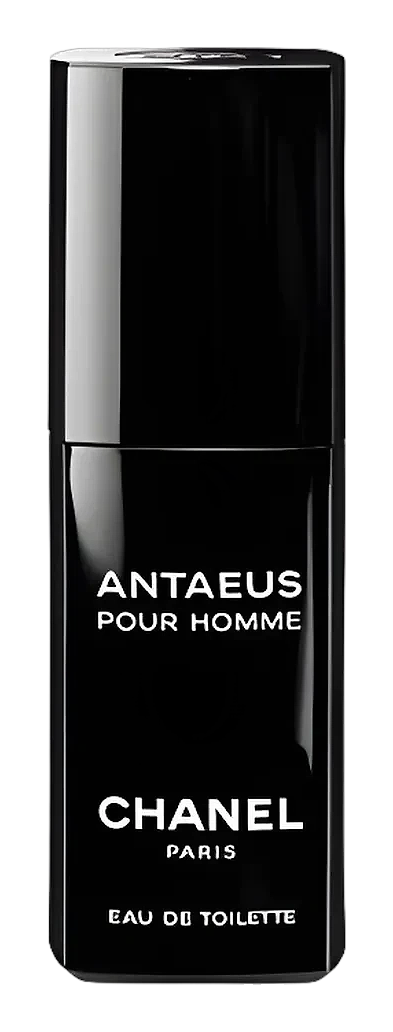
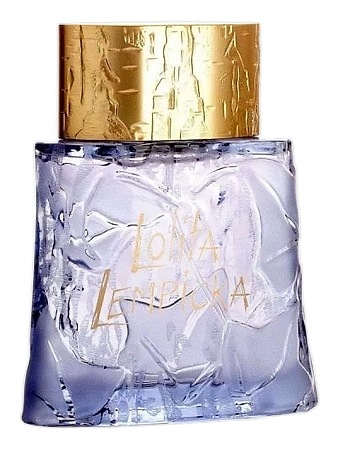
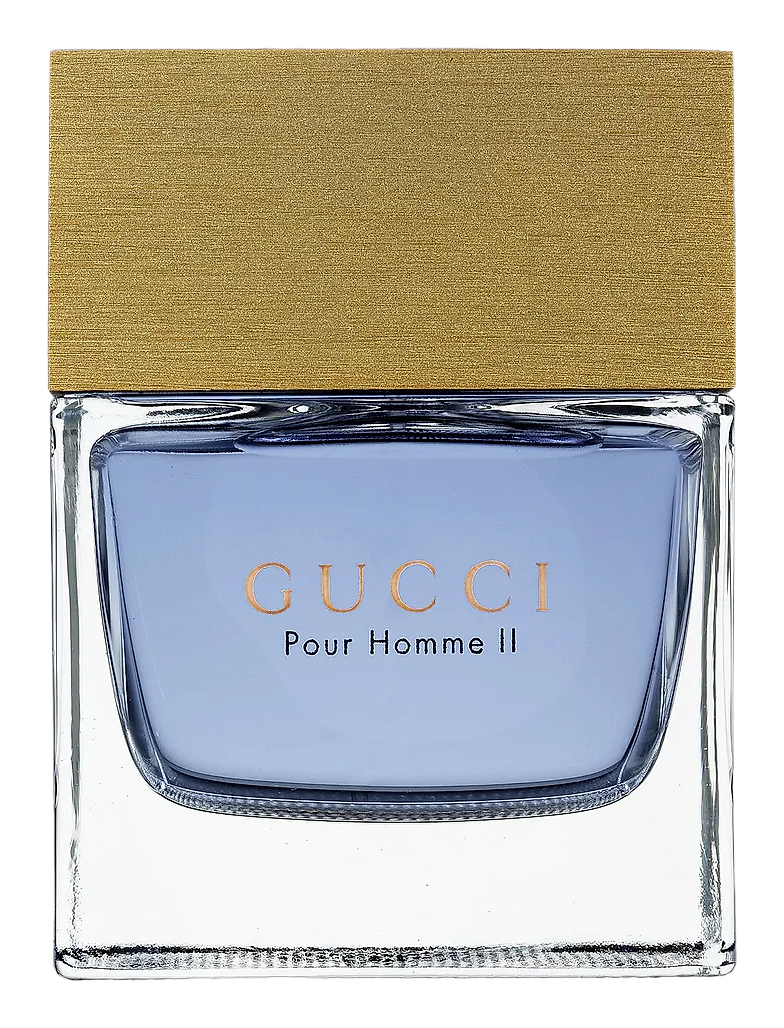
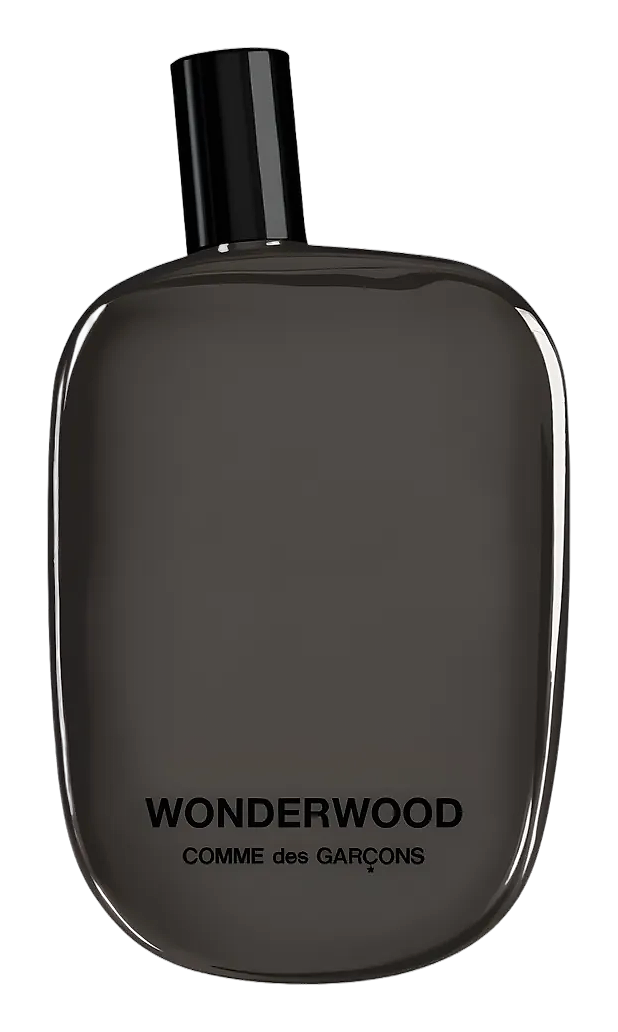
Ambar arrived in 2008 as part of Zara's broader men's fragrance expansion, a period when the brand was establishing itself as a credible player in designer scent. The 2008 landscape included releases from Gucci, Prada, and Comme des Garçons, houses with deeper fragrance heritage, and Zara's approach was deliberately different: contemporary style without the heritage tax. Ambar fit that positioning exactly. Warm, resinous, and quietly confident, it appealed to the design-literate wearer who wanted something considered rather than traditional. It has since been discontinued, which has only sharpened its appeal among those who remember it.