The Story
Why it exists.
The beginning
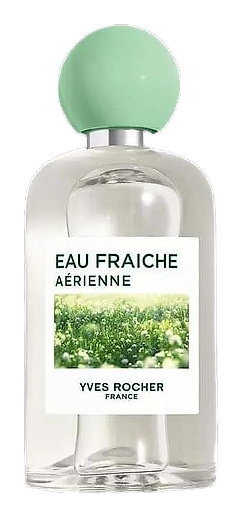
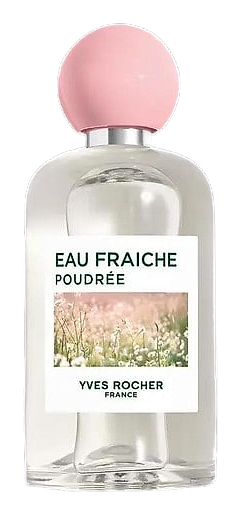
Eau Fraîche Pétillante arrived in 2026 as part of Yves Rocher's Eaux Fraîches collection, a line built around uncomplicated, garden-rooted freshness. The official inspiration is simple and unembellished: the glittering sun shining on fields, that mid-morning moment when light flattens everything into a wash of gold and the air smells of nothing in particular except warmth on grass. Grégoire Balleydier composed the scent with that exact sensation in mind, a tangy freshness that reads more like weather than like perfumery. The name tells you what's coming. Pétillante, in French, means sparkling or effervescent, the kind of fizz you feel on the tongue, not in the nose. Pair that with the house's longstanding relationship with botanicals and you get a citrus composition that aims to feel alive rather than constructed.
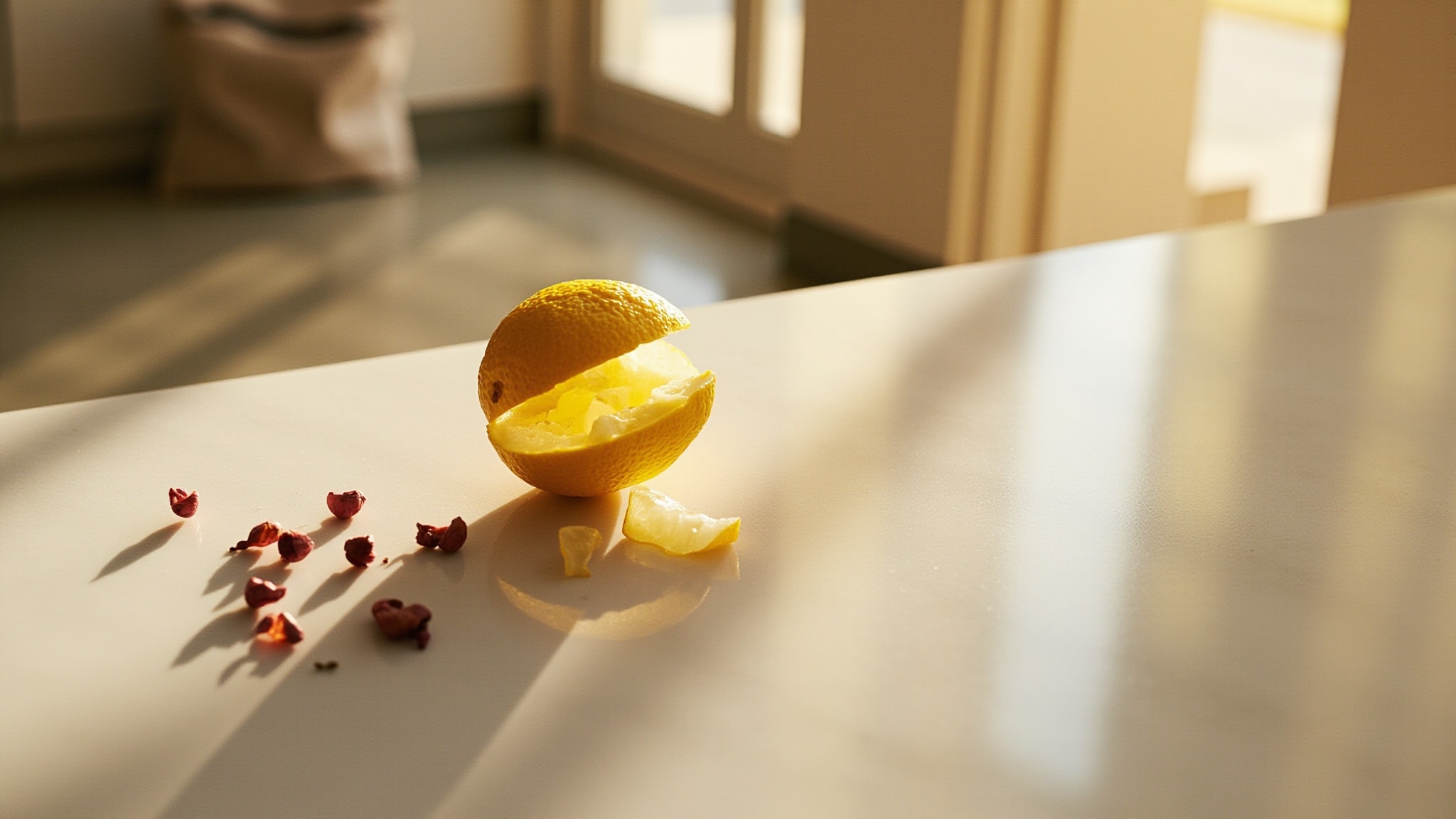
What's interesting here is what the composition leaves out. Two notes, lemon and pink pepper, and a perfumer's job becomes about the space between them rather than the pyramid above them. The lemon is sourced from Italy, specifically Primofiore, an early-season variety prized for its sharp, almost electric acidity. The pink pepper comes from Madagascar, chosen for its gentler, slightly fruity heat compared to black pepper's straight burn. Together they create something the accords describe as citrus-aromatic with a soft spicy edge, fresh but not flat. The genius, if there is one, is restraint. No florals competing for attention. No base dragging it into something heavier.
The evolution
The first fifteen minutes are all lemon. Bright, almost bracing, like biting into the rind before the flesh. It sits high on the skin, close to where you'd feel a breeze, and announces itself without shouting. There's a green edge underneath, not grassy, more like the smell of a lemon tree's leaves when you brush past one on a warm day. The pink pepper arrives quietly, not as heat but as a kind of vibration, a slight buzzing sensation that keeps the citrus from collapsing into something purely sour. This is the phase the accords call aromatic, and it's where the fragrance does its best work. The transition is gentle. There's no dramatic shift, no sudden base material arriving to ground everything. Instead the lemon simply softens, the sharpness rounding off into something warmer and slightly sweeter, while the pink pepper's faint resinous quality becomes more noticeable. By the two-hour mark the scent has pulled close to the skin.
Cultural impact
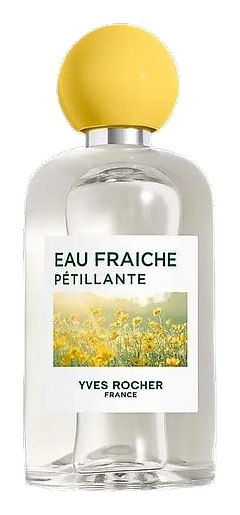
Eau Fraîche Pétillante draws comparisons to a discontinued Yves Rocher release from years past, the Mandarin-Lemon-Cedar, though this version trades the woody base for a cleaner, softer finish. Some wearers still reach for that old bottle out of habit, but find the new one answers a slightly different need. The presentation has earned notice too, with one reviewer pointing to the sunny yellow cap as a small but welcome detail. Beyond that single observation, the bottle has stayed mostly under the radar, which suits the fragrance just as well.