The Story
Why it exists.
The beginning
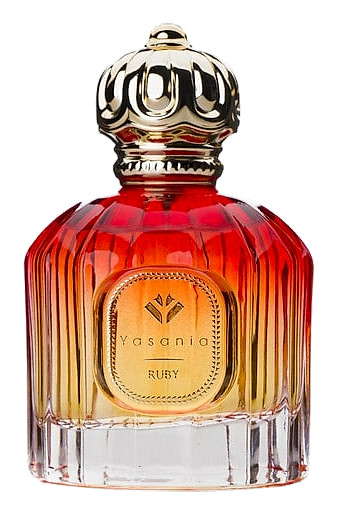
Ruby is a fragrance built around a vivid impression of red color, but its identity rests on scent rather than stone or symbolism. The composition presents itself through dense, warmly colored notes, creating a polished, enveloping aroma with clear layers and a rich sense of depth. Its character is less about a single gesture than about the way separate materials gather into one coherent whole. Ruby opens with brightness, moves into a floral center, and settles into a warm base of amber, vanilla, and resinous accents. The effect is deliberate and articulate, with fruit, flowers, and soft warmth held in close balance.
Ruby is defined by the way its brighter and warmer registers meet. The fruit and floral materials create a clear aromatic center, while amber gives the composition weight and a smooth foundation. Vanilla contributes a soft, rounded finish without becoming the entire shape of the fragrance. As the scent develops, the sharper opening elements become less prominent and the warmer base gains presence, leaving a polished trail that feels both intimate and substantial.
The evolution
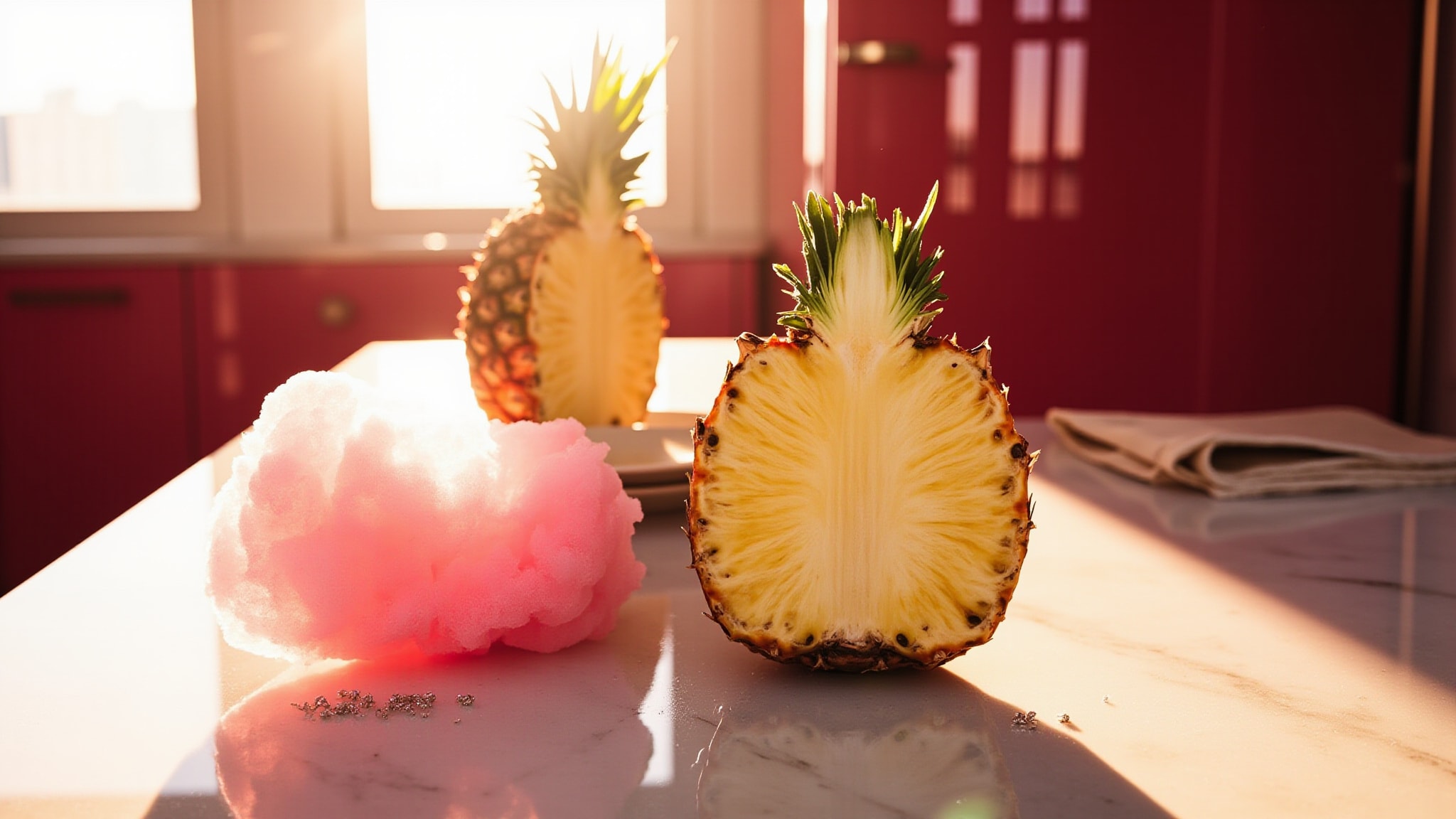
Ruby moves through a layered progression rather than relying on one dominant note. The opening is bright and lively, immediately establishing a colorful, energetic impression. Fruit and citrus-like brightness give the first impression its lift, while the floral center soon adds a softer, more polished dimension. The composition does not simply replace one note with another. Instead, earlier elements remain as impressions beneath the later ones, creating continuity and a sense of depth. In the middle, the floral material gains clarity and the warmer base begins to register more strongly. Amber and vanilla then contribute a soft, rounded finish, with resinous notes adding a darker, more tactile quality to the drydown. As the fragrance settles, the brighter opening is less obvious, but its character remains connected to the richer base.
Cultural impact
Ruby belongs to a fragrance landscape where names can invite a closer look at the relationship between color and scent. Its red designation gives the composition an expressive point of entry, while the fragrance itself explores a vivid and polished aromatic register. The combination of fruit, florals, and warm base notes creates a style that is both inviting and visually suggestive, encouraging wearers to notice not only the first impression but also the way the scent changes as it settles. Ruby is especially compelling for fragrance exploration because it combines a clear idea with a layered presentation.