The Story
Why it exists.
The beginning
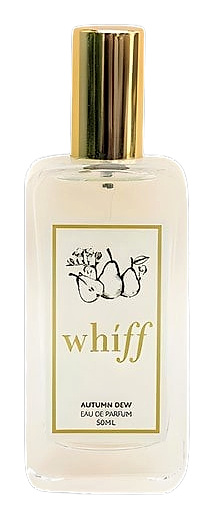
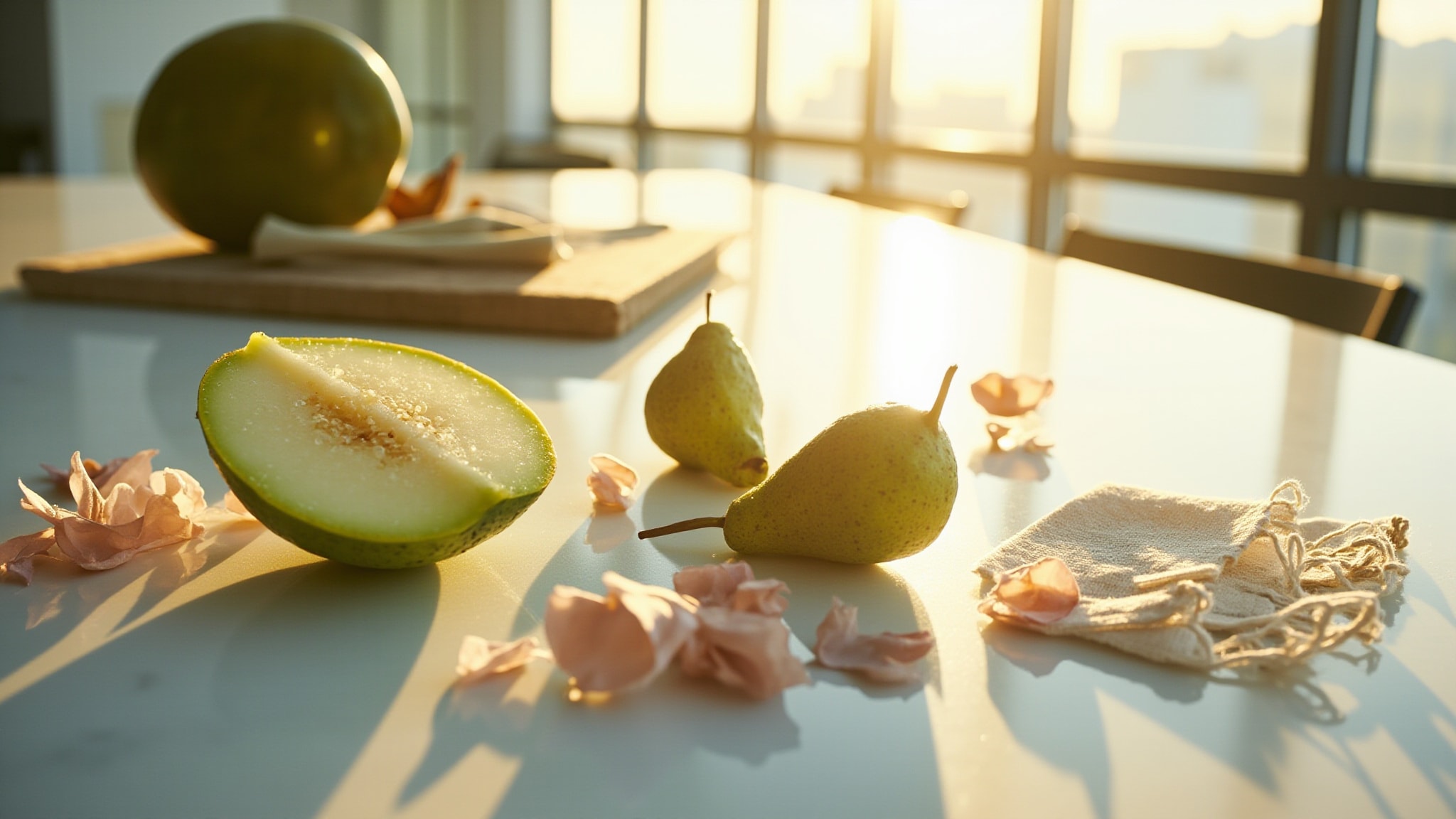
Autumn Dew arrived in 2016. Honeydew melon and pear form a crisp, juicy opening, with the fruit smelling fresh, sweet, and lightly crisp. Freesia and rose introduce the floral center, pairing airy petals with a softer, rounder floral warmth. Beneath them, patchouli and musk add depth: patchouli brings a dry, earthy texture, while musk smooths the composition into a close, gentle finish. The fragrance moves from luminous fruit to delicate flowers and then to a darker base, giving each layer a distinct role within the composition.
The interesting part is the contrast between transparency and weight. Pear and honeydew melon bring a watery, crystalline quality. Freesia keeps the heart airy, while rose adds a recognizable petal-soft warmth. Then patchouli pulls in an earthy, slightly dry texture, and musk smooths the edges without erasing the fruit's brightness. Nothing here is a decorative extra. Each part changes the temperature of the whole: fruit cools it, florals soften it, patchouli grounds it, and musk gives it skin.
The evolution
The first impression is fresh and immediate. Honeydew melon and pear arrive like chilled fruit rinsed in cool air, bright without looking sharp. As those notes loosen their grip, freesia and rose take over with a cleaner floral shape. Rose gives the heart a little more body, almost like petals warmed by the hand, while freesia preserves the sense of open air. Patchouli then appears beneath the brightness. It doesn't turn the composition heavy; it adds a faintly earthy, green-brown shadow, the kind found after rain on garden soil. Musk smooths that shadow into a soft finish that stays close to the wearer. As the fragrance settles, the opening fruit gradually gives way to the floral heart, where rose carries more warmth while freesia keeps the composition airy. Beneath both, patchouli lends a restrained earthy depth, and musk softens the overall texture.
Cultural impact
Autumn Dew presents a floral-fruity fragrance built around contrasts. Honeydew melon and pear supply a crisp, juicy opening, while freesia and rose introduce airy petals and warmer floral detail. Patchouli changes the texture with a dry, earthy quality, and musk leaves the composition soft and close to the skin. This balance gives the fragrance a distinct character without making any single note dominate. The composition can be appreciated through the contrast between bright fruit, delicate flowers, and earthier base materials, with each stage revealing a different facet of its character.
The House
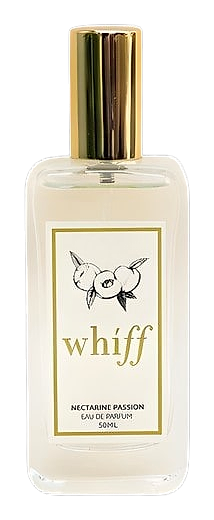
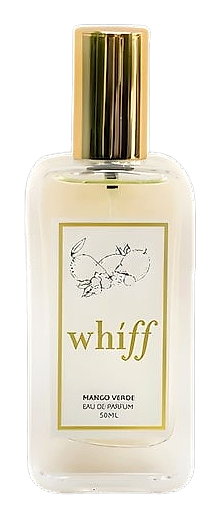
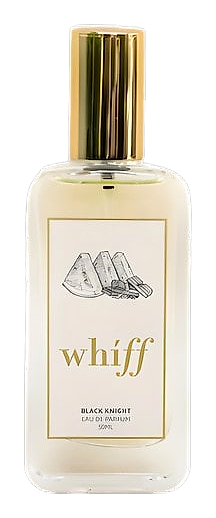
WhíffWhíff presents fragrance through a broad, expressive catalogue of named scent experiences, spanning fruit, florals, freshness, and darker atmospheric notes. Its releases include Mango Verde, Nectarine Passion, Victor, Pacific Rain, Black Knight, Autumn Dew, Peony & Rose, Spring Floral Drops, Cherry Blossom, and Blue Mountain. The range has developed through different creative directions since the mid-2010s, with Mango Verde and Cherry Blossom joining the catalogue in 2020. Whíff is best understood through its varied perfume naming and the moods they suggest, rather than through a narrowly defined house signature. The available research does not identify a founder, perfumer, ingredient policy, or detailed production process, so those elements remain unspecified.
The Creator
Renato Lopena Jr.Lopena's style reflects his dual training. The Grasse education gave him classical structure and technical discipline, while his work as an aromatherapist added a functional, sensory dimension to his approach.