The Story
Why it exists.
The beginning
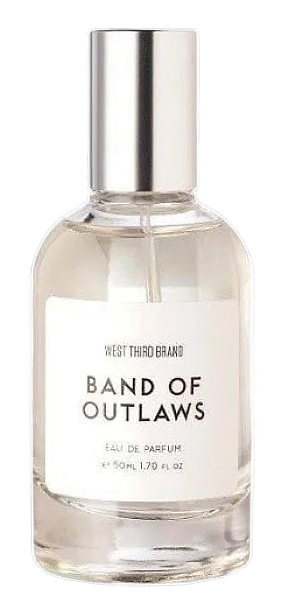
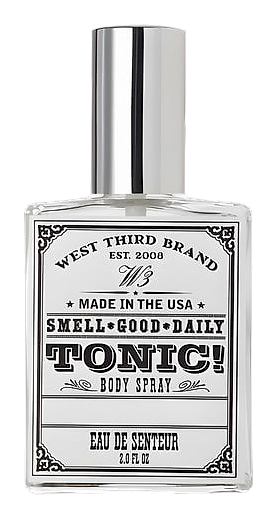
Leather Rose arrived in 2016 from West Third Brand, an independent house. The perfumer, Michael Loring Probst, built it into a catalog that already carried his sensibility for compositions with a rougher edge. The fragrance was born from a simple provocation: what happens when a flower gets forced to grow through something rougher than a garden bed. Wild rose is sweet, delicate, a thing that suggests fresh dew and old love poems. Leather is the opposite. The two shouldn't cohabitate. Probst clearly disagreed, and the result is a scent built around that friction rather than in spite of it. There's no apology for either note. No smoothing. Just the meeting. The composition treats both materials with equal seriousness, refusing to let either one dominate the other from the start.
What makes this composition unusual is the weight given to the rose. It opens the show, meaning the leather enters as a response rather than a statement. That's a structural choice that flips expectation: you smell the flower first, then watch it toughen. The patchouli sits beneath the leather and rose, giving the whole composition an earthy base that keeps sweetness from cloying. Sandalwood and musk complete the undercarriage, warm and slightly animalic, the kinds of materials that make a fragrance feel lived-in rather than sprayed.
The evolution
The opening announces itself in floral language. Rose comes through first, bright and slightly green, like a stem just broken. Lily of the Valley adds a cool sweetness to the first 10 to 15 minutes, and for that brief window the scent reads as almost innocent. Then the leather arrives, and the atmosphere shifts. The wild rose doesn't disappear. It just stops behaving. Patchouli emerges from underneath, and the whole composition tilts darker. By the 30-minute mark, the leather is fully present, and the rose has taken on a bruised, wine-stained register that wasn't there at the start. A softening of every other note settles in as the first hour passes, the florals losing their lift and the leather rounding into something warmer and less sharp. The drydown is musk and sandalwood doing the quiet work.
Cultural impact
Leather Rose sits in an interesting corner of the rose-fragrance conversation, the one where florals aren't expected to share space with smoke and leather. Among rose-led compositions, this one earns its place by refusing to behave like a rose. The fragrance makes a point of treating both the floral and the rougher materials with equal conviction, which sets it apart from the usual rose categories. It's the kind of composition that rewards someone willing to wear it through its full arc, from the bright floral opening to the warm, musky close. The leather doesn't arrive as a gimmick or a garnish.