
The Story
Why it exists.
The beginning
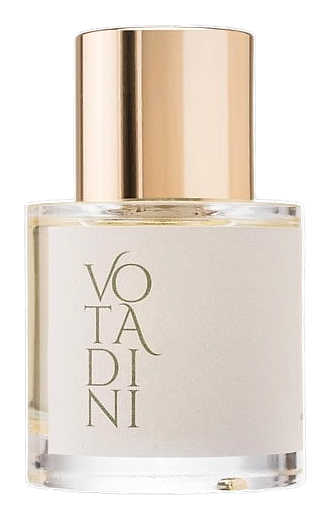
The Votadini were a Celtic tribe whose name lives on in Din Eidyn, modern-day Edinburgh. Wales Perfumery's 2025 release borrows that lineage and asks a question: what did it smell like up there? Louise Smith, the house's perfumer, built the composition around a red wine accord inspired by archaeological finds of wine vessels, evidence that even the northern tribes reached for the fermented and the imported. Wild Scottish heather runs through the composition, while cypriol and leather hold the structure. The result reads less like a historical reenactment and more like a letter home from someone who never quite left.
The red wine accord is the unusual choice here. Most earthy compositions reach for soil, mushroom, tobacco. This one pours a drink instead, then lets the glass dry on leather. Cistus absolute and labdanum bring the resinous amber warmth that keeps the wine from smelling like a spilled glass, and the earthenware facet adds a mineral, kiln-fired edge that ties everything to the archaeology. The cypriol gives it that dark, rooty depth, the smell of turned earth and old wood.
The evolution
The opening arrives dark and close, red berries and wine hitting first, almost boozy, the kind of sweetness that reads fermented rather than fruity. Heather pushes in within minutes, dry and purple, cutting the wine with something vegetal and bracing. Then the leather settles in, not polished or new, more like the smell of a saddle left near a fire. The heart is where the composition earns its weight: patchouli, cypriol, and hay arrive together, and suddenly the wine has soaked into something rougher. It smells like wool that has absorbed everything around it. The drydown is the quietest phase but the most persistent. Hay, labdanum, and a whisper of wool carry for hours, close to the skin, warm and slightly animalic. On fabric the next morning, it reads like woodsmoke and old paper, a ghost of the wine still there underneath.
Cultural impact
Votadini takes its name from the Votadini, an ancient tribe associated with Din Eidyn, modern-day Edinburgh. Wales Perfumery draws on this lineage as a way of grounding the composition in a specific place and people, using scent to evoke a pre-industrial landscape that doesn't often appear in mainstream perfume. The use of heather, wool, and an earthenware accord ties the fragrance to the material culture of the territory: moorland vegetation, hand-thrown pottery, and old textile traditions.