The Story
Why it exists.
The beginning
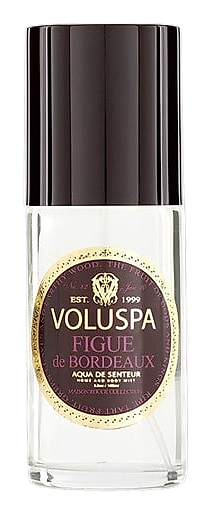
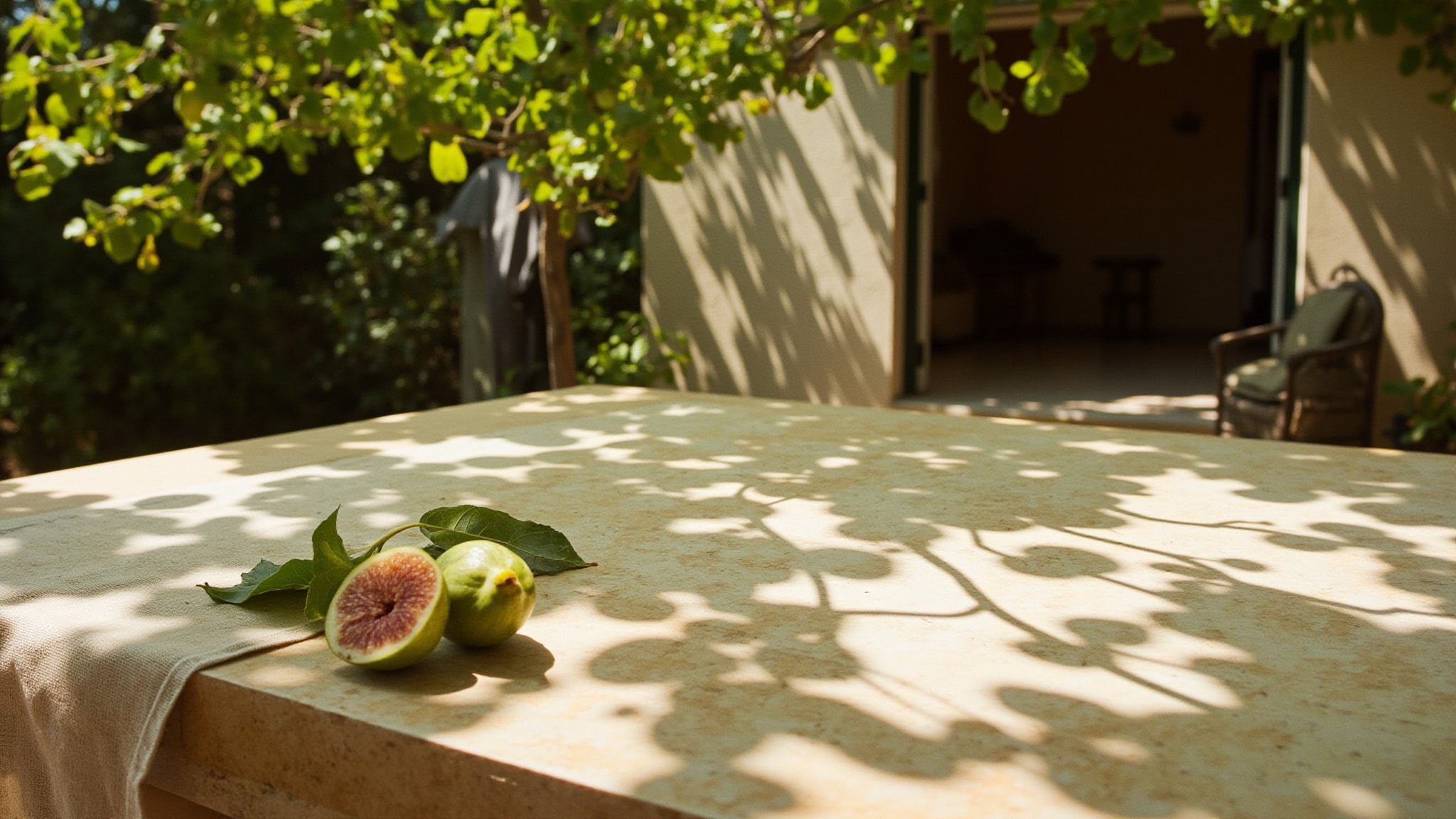
Figue de Bordeaux sits inside Voluspa's Maison Rouge collection, a range of perfumes the house introduced as part of their work in personal fragrance. The fig was the obvious choice. Voluspa's library already leaned botanical, already trafficked in the green, the milky, the garden-leaning. A French imagination poured by California hands. The name itself carries a particular weight: Bordeaux, with its associations of wine country, old stone walls, sun-warmed orchards where fig trees lean lazily against weathered limestone. There's something transportive about it, a single word that does the work of an entire postcard. The composition leans into that pastoral pull while keeping one foot firmly in the soil.
What makes the fig here worth attention is its restraint. Most fig compositions lean either decadent (the syrupy, almost-nectar fruit) or aggressively green (the sharp leaf, bordering on bitter). This one threads the middle. The green leaves aren't decorative; they carry the composition's real energy, pulling the fruit toward something vegetable and alive. The woody notes underneath ground the whole thing, making sure the sweetness never gets cloying. There's a quiet intelligence in how the notes negotiate with each other.
The evolution
The first 15 minutes are all leaf. Loud, almost bitter green, the kind of crunch you hear before you smell. It reads as fig tree more than fig fruit, which is the right call. Then the fruit arrives, soft and lactic, and the leaves pull back just enough to let it speak. By the hour mark the composition has settled into a woody lull, less orchard than forest floor after rain. The green recedes first. The wood lingers, warmer and quieter than expected, with a dry cedar quality that keeps the sweetness from ever tipping into confection. The fruit note has its own arc: it opens creamy and almost milky, like the inside of a just-cut fig, then gradually loses that lushness as the hours pass. What replaces it is something drier, more concentrated, closer to the smell of dried figs left on a windowsill than fresh ones pulled from a branch.
Cultural impact
Figue de Bordeaux belongs to a small but persistent lineage of fig compositions that lean green rather than sweet, the ones that smell more like a Mediterranean hillside in July than a pastry case. Wearers tend to describe it as a quiet, place-based scent, the kind chosen by people who want to smell like somewhere rather than like something. There's a difference between fragrances that announce themselves and fragrances that simply accompany you, and this one falls firmly in the latter camp. It doesn't try to be a conversation piece or a statement.