
The Story
Why it exists.
The beginning
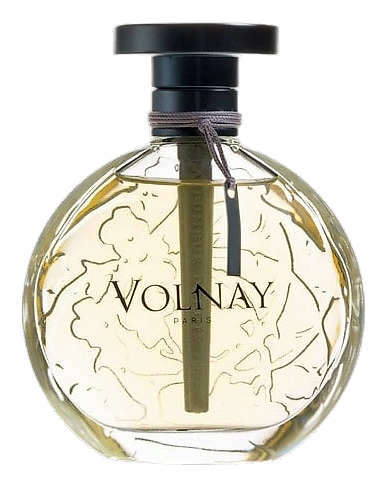
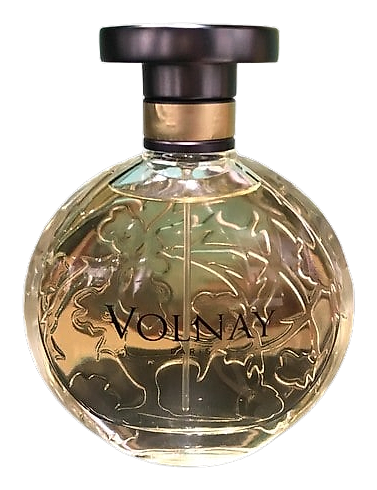
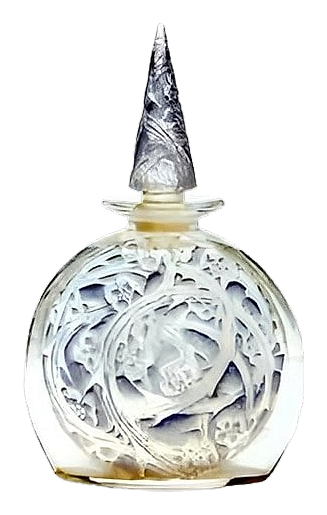
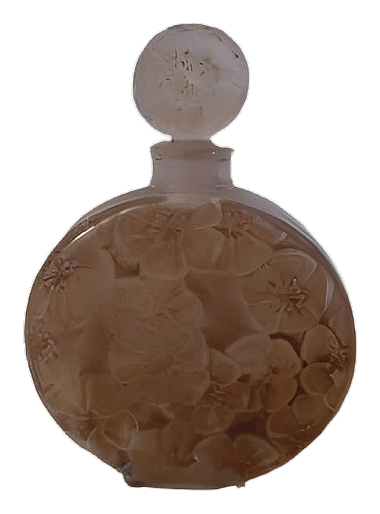
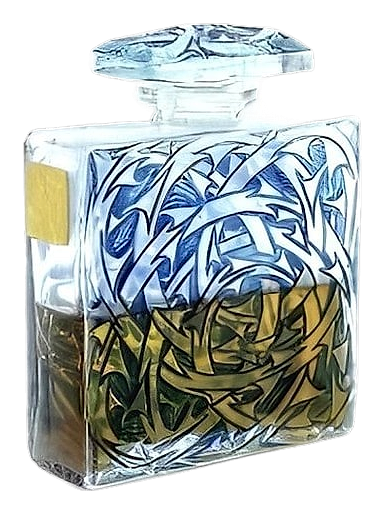
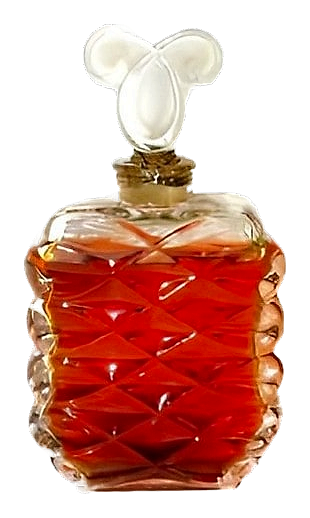
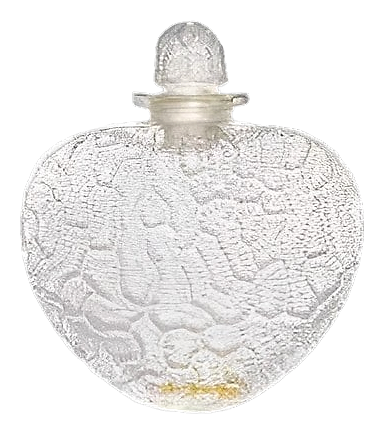
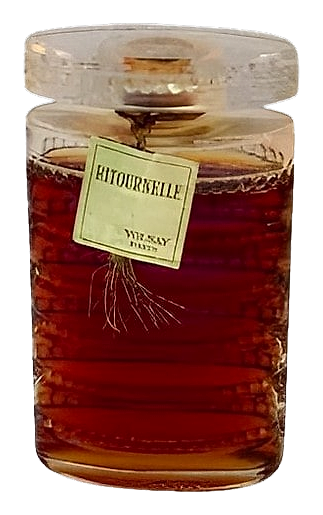
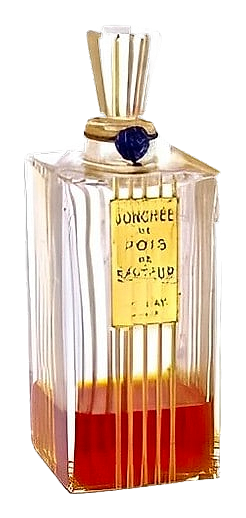
Volnay introduced Jonchée de Pois de Senteur in 1928. The name draws attention to sweet pea flowers, an image often associated with delicate, romantic florals, while the date places the fragrance within the period surrounding Art Deco elegance. Its floral character suggests a composition built around softness and a composed sense of atmosphere. Without a verified note list or account of its development, the safest way to encounter it is through the central floral image evoked by its name. That image invites a closer look at the fragrance's character, its presentation, and the associations it carries, while leaving room for the wearer to form a personal impression rather than accepting a fixed account of how it opens, evolves, or settles.
The interest of Jonchée de Pois de Senteur lies in the distance between a simple floral reference and the larger impression suggested by the finished fragrance. The sweet pea image gives the name a graceful, romantic starting point, but the title alone doesn't establish the notes, their order, or the way they interact on skin. Rather than assigning specific accords to the opening, heart, and drydown, the fragrance is best approached as an invitation to notice its overall floral atmosphere.
The evolution
Jonchée de Pois de Senteur can be understood through the floral image in its name, with the date providing historical context rather than a documented scent progression. The supplied material doesn't establish a specific opening, a sequence of notes, a woody drydown, or a level of performance, so those details shouldn't be treated as fixed characteristics. What remains is a fragrance identified as floral and linked by its title to sweet pea, an image that can shape the way the scent is anticipated. As it is worn, the experience is open to individual perception: the name supplies a starting point, while the fragrance itself determines the personal impression left behind.
Cultural impact
Jonchée de Pois de Senteur is a fragrance from 1928 whose name is rooted in sweet pea flowers. That association gives it a floral frame and a romantic reference, while the title offers a clear point of entry for discovery. Without verified evidence about collector positioning, market demand, or a broader cultural movement, the fragrance is best considered through its own identity: a named floral scent with a historical date and a distinct image. The title invites attention, but the wearer's own response remains the meaningful measure of its appeal.