



The Heritage
The Story of Volnay
Volnay is a French perfume house that traces its origins to the post‑World War I era. Founded in 1919 by René Duval and his wife Germaine Madeline Duval, the maison has survived two world wars, the rise of Art Deco, and several generations of family stewardship. Today its catalogue blends vintage creations such as Iris Neige (1919) with contemporary releases like Mimeomai (2017), offering collectors a bridge between historic French elegance and modern olfactory storytelling.
Heritage
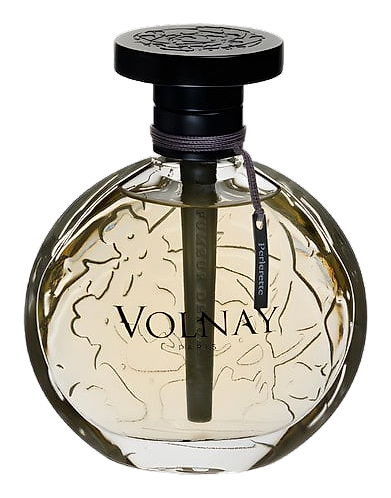
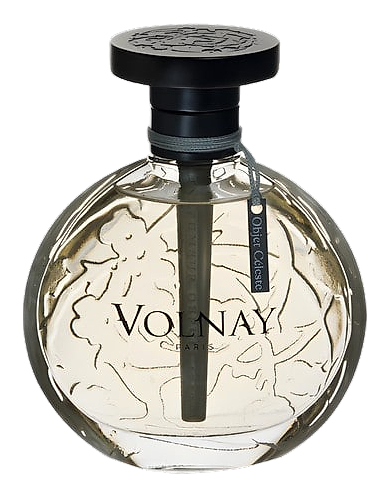
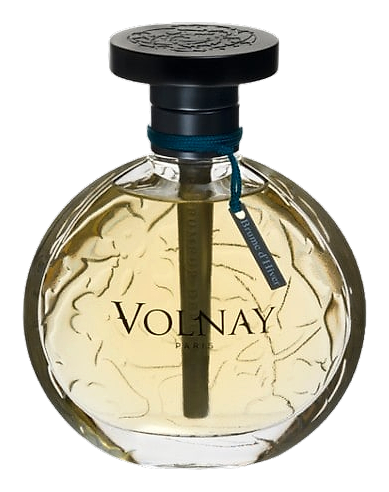
The story of Volnay begins in 1919, when René Duval, a young chemist from the Loire Valley, married Germaine Madeline Duval, an adventurous traveler who had just returned from a pioneering flight over the Andes. Their partnership combined technical expertise with a flair for marketing, and they named the house after a bottle of Burgundy wine they shared on a transatlantic voyage. Early releases such as Iris Neige (1919) and Cachucha (1937) quickly found favor among Parisian salons, positioning Volnay as a boutique alternative to the larger maisons of the golden age of French perfumery. During the 1920s and 1930s the brand embraced the Art Deco aesthetic, launching fragrances like Etoile d'Or (1933) that featured geometric packaging and bold advertising in fashion magazines. World War II forced a temporary slowdown, but the Duval family kept the laboratory operational, preserving original formulas and raw‑material stocks. After the war, the house introduced Napée (1922) as a tribute to the renewed optimism of the era, and in the 1950s it expanded distribution to select department stores in Europe. By the 1970s, the third generation—Muriel and Olivier Madeline—took over the business, modernising the production line while insisting on hand‑crafted methods. The 1990s saw a revival of interest in heritage perfumery; Volnay responded with limited‑edition reissues of classic scents and introduced new compositions such as Ambre de Siam (2015) that referenced the house’s historic use of exotic resins. In 2013 the brand released a cluster of modern fragrances—Perlerette, Yapana, Objet Céleste, Brume d'Hiver, and Etoile d'Or—demonstrating its ability to speak to contemporary noses while honoring its archival DNA. Today, great‑grandchildren Muriel and Olivier Madeline oversee a small atelier in Paris, where each bottle is still mixed by hand, preserving a lineage that spans more than a century.
Craftsmanship
Production at Volnay follows a small‑batch model that has changed little since the 1920s. Raw materials are sourced from established farms in Grasse, Madagascar, and the Middle East, with a particular emphasis on natural absolutes and ethically harvested ambergris substitutes. The house maintains a private laboratory where master perfumers—often members of the Madeline family—blend oils by hand, using copper stills for distillation and stainless‑steel mixers for maceration. Each formula undergoes a minimum three‑month aging period in temperature‑controlled vaults, allowing the volatile components to harmonise. Quality control includes blind olfactory panels that compare each batch to the original reference, ensuring fidelity to the house’s standards. Bottling is performed on a dedicated line that caps each bottle with a hand‑polished crystal stopper, a nod to the original 1920s design. The final product is inspected for visual perfection, sealed with a waxed cork, and packaged in a recyclable box featuring the house’s signature burgundy hue. This meticulous process, combined with the family’s intimate knowledge of each fragrance’s chemistry, results in a consistent olfactory experience that collectors trust.
Design Language
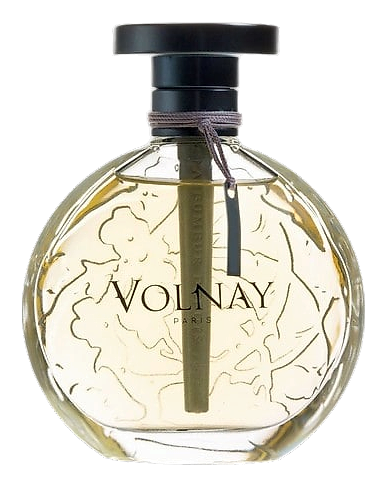
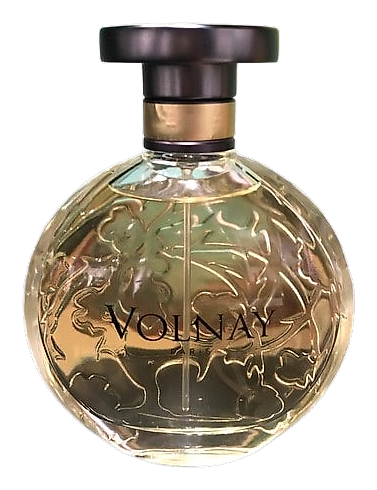
Visually, Volnay draws on the elegance of early twentieth‑century French design. Bottles are tall and slender, crafted from clear glass that showcases the perfume’s colour, and topped with a faceted crystal stopper that catches the light. The label bears a deep burgundy background, a subtle homage to the Burgundy wine that inspired the house’s name, and is printed in a classic serif typeface reminiscent of Art Deco signage. Packaging includes a matte‑finished box with embossed gold lettering, evoking the luxury of vintage perfume cabinets. The brand’s visual language extends to its print materials, where black‑and‑white photography of historic Parisian streets accompanies modern close‑ups of ingredients, creating a dialogue between past and present. In recent years, limited‑edition releases have featured hand‑drawn illustrations of the fragrance’s key notes, reinforcing the narrative focus that defines Volnay’s identity.
Philosophy
Volnay’s creative vision rests on a reverence for the principles of classic French perfumery: balance, elegance, and narrative depth. The house believes that a fragrance should evoke a memory or place rather than merely showcase ingredients. This belief drives a disciplined approach to composition, where each note is weighed against the overall story the scent intends to tell. Family stewardship reinforces a long‑term perspective; decisions are made with future generations in mind, favouring sustainability and continuity over fleeting trends. Volnay also values transparency in sourcing, preferring suppliers who can trace raw materials back to their origin. The brand’s modest size allows it to experiment within a controlled framework, resulting in limited releases that reflect both historic formulas and contemporary inspirations. By maintaining a dialogue between past and present, Volnay seeks to offer collectors a scent that feels timeless yet unmistakably of its moment.
Key Milestones
1919
René Duval and Germaine Madeline Duval establish Parfums Volnay in Paris, naming the house after a shared bottle of Burgundy wine.
1925
Launch of Iris Neige, one of the earliest floral compositions that gains popularity in Parisian salons.
1937
Cachucha debuts, reflecting the house’s embrace of exotic influences during the Art Deco era.
1950
Post‑war revival sees the introduction of Napée, signalling renewed optimism and expanding distribution to select European department stores.
2013
A wave of modern releases—Perlerette, Yapana, Objet Céleste, Brume d'Hiver, and Etoile d'Or—demonstrates Volnay’s ability to blend heritage with contemporary trends.
2022
Great‑grandchildren Muriel and Olivier Madeline celebrate the brand’s centennial with a limited‑edition reissue of classic scents and a behind‑the‑scenes documentary of the house’s atelier.
At a Glance
Brand profile snapshot
Origin
France
Founded
1919
Heritage
107
Years active
Collection
1
Fragrances released
Avg Rating
4.2
Community sentiment
Release Rhythm


