The Story
Why it exists.
The beginning
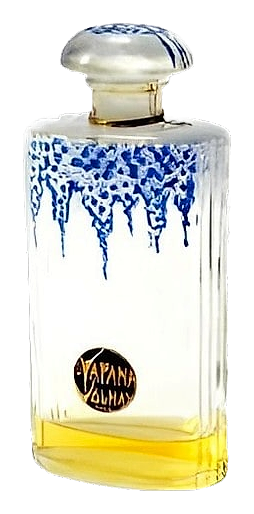
Rose Brumaire appeared in 1920, created by René Duval for Volnay. Its name points straight to the rose, but the composition isn't built to sit prettily in a vase. The floral heart is joined by woody notes and vetiver, giving the scent an earthy counterweight from the beginning. That pairing matters. Rose becomes less delicate when placed beside dry wood and rooted vetiver, taking on a clearer outline and a more grounded character. There are no verified details about Duval's inspiration or the exact brief behind the composition, so the safest reading comes from the structure itself. Rose gives luminosity. Vetiver brings soil and grain. Wood adds the steady frame. The result feels less like a powdered bouquet than a classic French floral with some practical polish on its shoes.
What makes Rose Brumaire interesting is the tension inside a simple-looking list. Woody Notes, Vetiver and Rose can sound straightforward, but their proportions change the whole effect. The rose remains the expressive center, while vetiver introduces an earthy, almost dry edge. Woody notes sit beneath it all, giving the floral enough weight to feel wearable rather than ornamental. That balance also explains the fragrance's wider character: floral, woody, aromatic and earthy at once. It doesn't need to pile on extra ingredients to create complexity. The contrast does the work. Rose supplies the light, vetiver the shadow, and wood the structure that keeps the composition from floating away.
The evolution
The opening is where Rose Brumaire's most misleading quality appears. It can seem light and transparent, like a pink floral caught in cool air. That's the rose speaking first, clean and lifted, with little heaviness to announce its destination. Then the composition starts adding weight. Woody notes and vetiver pull the fragrance downward, changing the impression from a fresh floral to something more tactile and grown-up. As it settles, the rose stays recognizable, but it no longer sits alone. Vetiver gives it a dry, earthy grain, while the woody accord makes the whole composition feel closer to skin. The heart is where the balance is most convincing: floral without being fragile, woody without becoming severe. In the drydown, the initial brightness recedes and the warm, grounded structure takes over. What remains is a soft, polished impression of rose, wood and earth.
Cultural impact
Rose Brumaire presents a restrained rose idea, but its character comes from the relationship between floral, woody and earthy notes. The rose supplies luminosity and softness, while vetiver adds grain and a soil-like texture and wood gives the composition its frame. That makes the scent more tactile than ornamental, though still recognizably floral. It can be discovered through the way its opening brightness gradually settles into a warmer, more grounded impression. Rose remains present through the wear, but the composition changes around it, revealing a study in balance rather than a simple bouquet.
The House
VolnayVolnay is a French perfume house that traces its origins to the post‑World War I era. Founded in 1919 by René Duval and his wife Germaine Madeline Duval, the maison has survived two world wars, the rise of Art Deco, and several generations of family stewardship. Today its catalogue blends vintage creations such as Iris Neige (1919) with contemporary releases like Mimeomai (2017), offering collectors a bridge between historic French elegance and modern olfactory storytelling.
The Creator
René DuvalThe documented style of René Duval is best understood through Rose Brumaire, his sole clearly identified fragrance in the available database. Its name points toward a rose-led composition, while the period of its creation suggests the rich floral language favored in early twen…