The Story
Why it exists.
The beginning
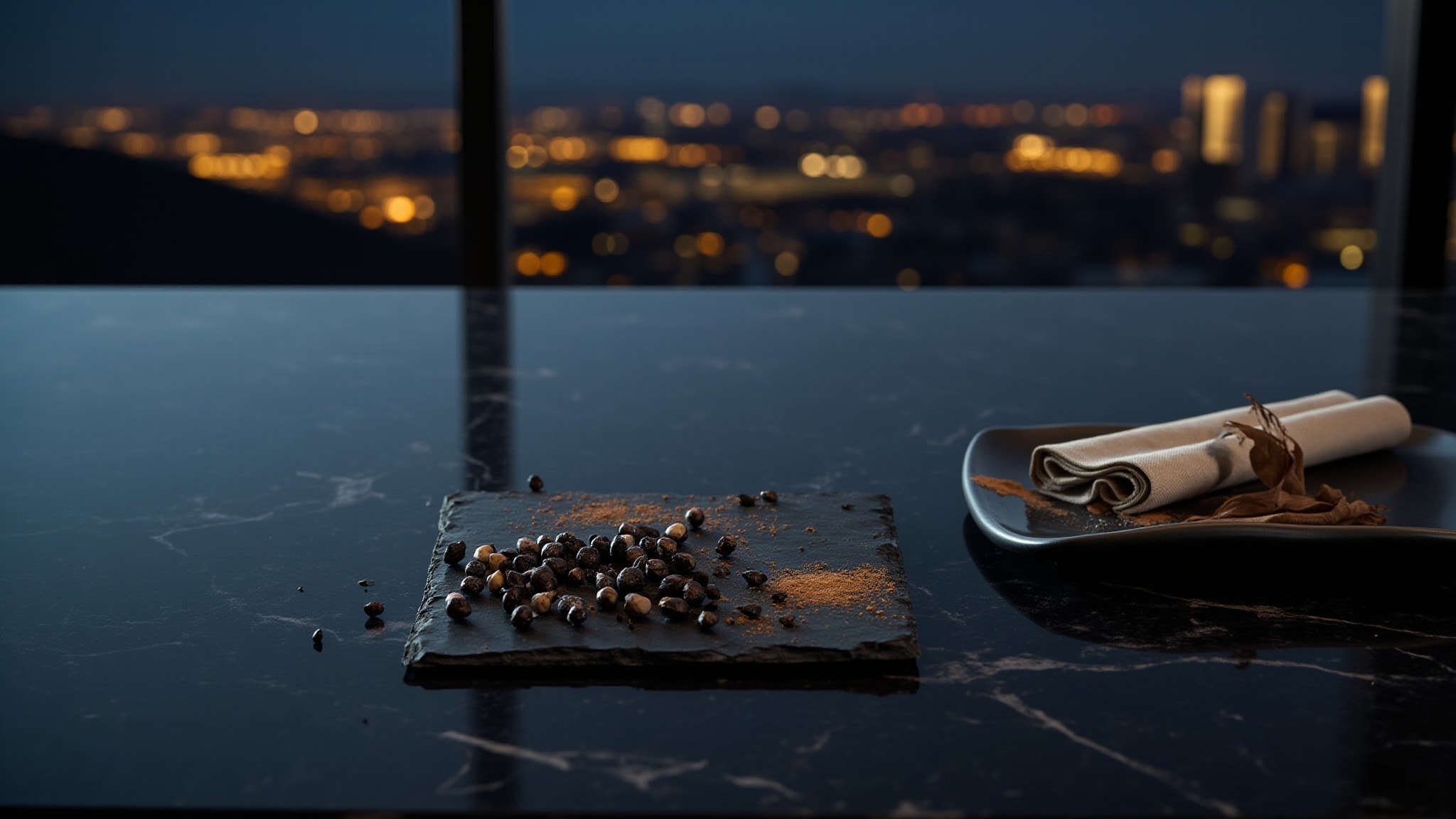
VLH Project built its catalog around a particular editorial discipline, releasing fragrances that strip perfumery back to its essentials. IV sits within that philosophy, placing the brand's core love of spice at the center of the composition. The result is a fragrance that asks a single aromatic family to carry the entire weight of the wear, without the usual concessions to accessibility or trend. Rather than softening the edges with fruit, sugar, or florals, the formula lets the spicy materials speak in their own unvarnished register. That commitment runs through every choice the perfumers made, from the concentration of the juice to the way each ingredient interacts on skin.
The development process reflected that same discipline: each iteration was tested rigorously, with revisions driven by what worked on skin rather than what sounded appealing on paper. The perfumers stripped away anything that felt ornamental, holding each material to the standard of whether it earned its place through actual wear. Sillage and longevity were treated as honest metrics, not marketing claims, so anything that failed to project or persist was cut. The result is a composition that reads as lean rather than minimal, tight rather than sparse.
The evolution
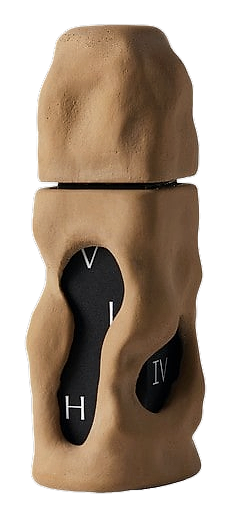
When IV first launched, the formula made no apologies for its spiky, uncompromising profile. Wearers gravited toward it precisely because it refused to round itself off for easier consumption, though some found the opening demanding before the composition had time to settle. Over time, IV has found a loyal audience among people who wear fragrance as a personal signal rather than a social broadcast. The spicy opening gradually yields to a warmer, more contemplative heart as the hours pass, and the drydown reveals the softer, woodier facets that were always present but never dominant. That arc from sharp to settled has become part of the fragrance's identity, giving wearers a reason to return to it across different occasions and seasons. The bottle's clean, stripped-back presentation echoes the same editorial instinct, letting the juice speak for itself without packaging theatrics.
Cultural impact
IV occupies an unusual position in contemporary indie perfumery, where spice-driven releases remain relatively rare. VLH Project's choice to release a fragrance with no sweet, fresh, or floral counterweight places it alongside a handful of other uncompromising compositions that ask a single material family to carry the entire structure. It also became a quiet touchstone in online discussions about how fragrance communicates identity, where wearers defended the formula's refusal to soften itself against critiques that it felt inaccessible.