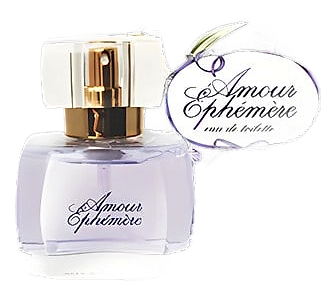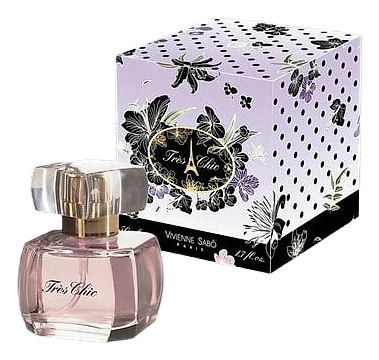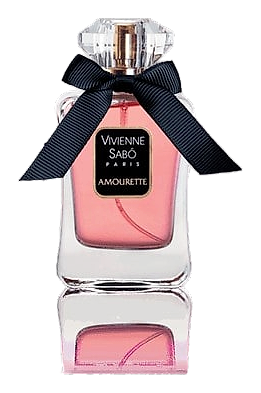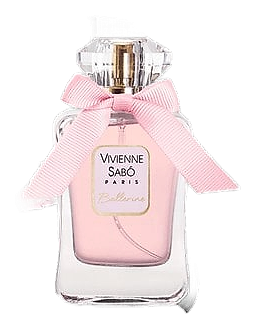
The Story
Why it exists.
The beginning
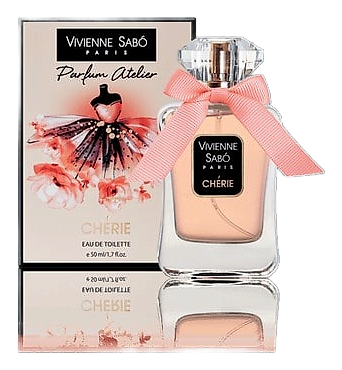
The name says it all. Cherie, French for 'darling,' for 'dear.' The kind of word whispered at the start of something, not the end. Vivienne Sabo built this fragrance around that idea: the first blush of affection made into something you can wear. What distinguishes Cherie from other accessible florals is its structural ambition. The top doesn't simply announce itself and disappear, it lingers alongside the developing heart. Bergamot and mandarin don't just open the fragrance; they remain present, part of the conversation as peony and jasmine take over. The result feels more cohesive than the typical top-to-heart handoff. Marigold is the quiet differentiator. Not a common floral in mainstream perfumery, it adds a warm, slightly herbal quality that stops the citrus from reading as generic cleaner. It gives the opening a groundedness that most bright openers lack.
The pyramid is familiar territory, citrus top, floral heart, woody base, but the execution has a few deliberate choices worth noting. Marigold in the top is uncommon. It shows up more often in skincare than in fragrance, valued for its antioxidant properties in creams and lotions rather than its olfactory contribution. Here it serves as a bridge: the warm, herbal quality stops the citrus from reading as cleaning product, while the subtle honey in its profile previews the floral sweetness to come. Cyclamen appears rarely in contemporary Western perfumery, more at home in vintage French compositions. Its cool, slightly aquatic character, sometimes described as 'watery floral', is doing real work here.
The evolution
The opening hits fast, bergamot's green-lactone snap, mandarin's sweet tartness, marigold's herbal warmth. Nothing tentative about it. Within ten minutes, you're fully in the fragrance. Then the florals arrive. Cyclamen cools the transition with its watery, slightly green character. Peony blooms without tipping into sweetness, this is a peony that's been in a vase for an hour, not one freshly cut. Jasmine adds depth underneath, creamy and present without dominating. This is the heart's job: make you forget the citrus was ever there. It mostly succeeds. The drydown is where Cherie earns its keep. Patchouli arrives quietly at first, then asserts itself, earthy, dark, slightly wine-like. Vetiver adds its dry, smoky grass note. Moss extends the finale with a cool mineral quality. The sillage drops to intimate by the third hour. You smell it. Others standing close might. People across the room won't. By the fifth hour on most skin, it's a skin scent, close, warm, slightly sweet. The patchouli holds longest.
Cultural impact
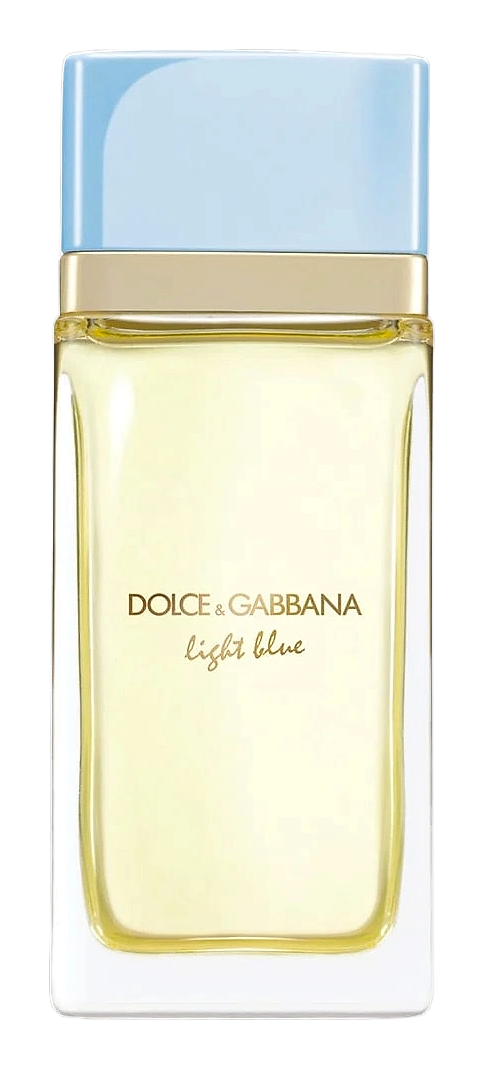
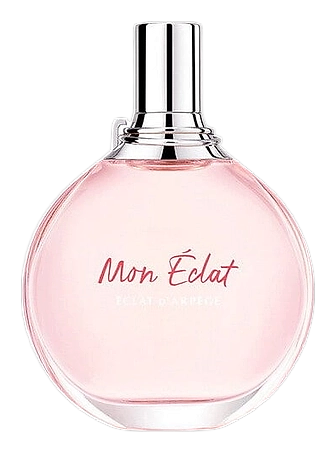
Cherie occupies an interesting position in the accessible floral category. Its main accords, floral, citrus, fresh, patchouli, woody, place it alongside classics like Dolce & Gabbana Light Blue and Lanvin Eclat d'Arpège, but the patchouli presence in the base gives it more staying power and character than most competitors in its price range. Wearers who expect a straightforward floral are pleasantly surprised by the earthier drydown. The fragrance performs best in cooler months, fall and winter show the most votes, but its fresh top keeps it from feeling heavy. Day wear dominates the seasonal data, which tracks: the moderate sillage makes it office-appropriate without being forgettable.