The Story
Why it exists.
The beginning
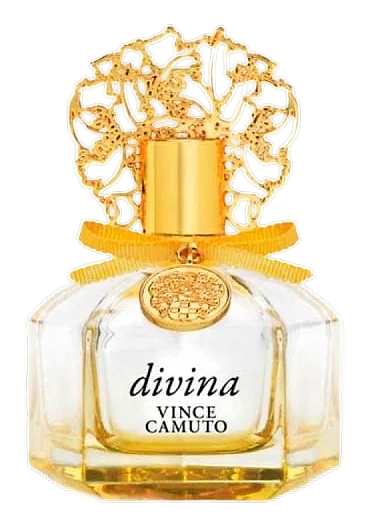
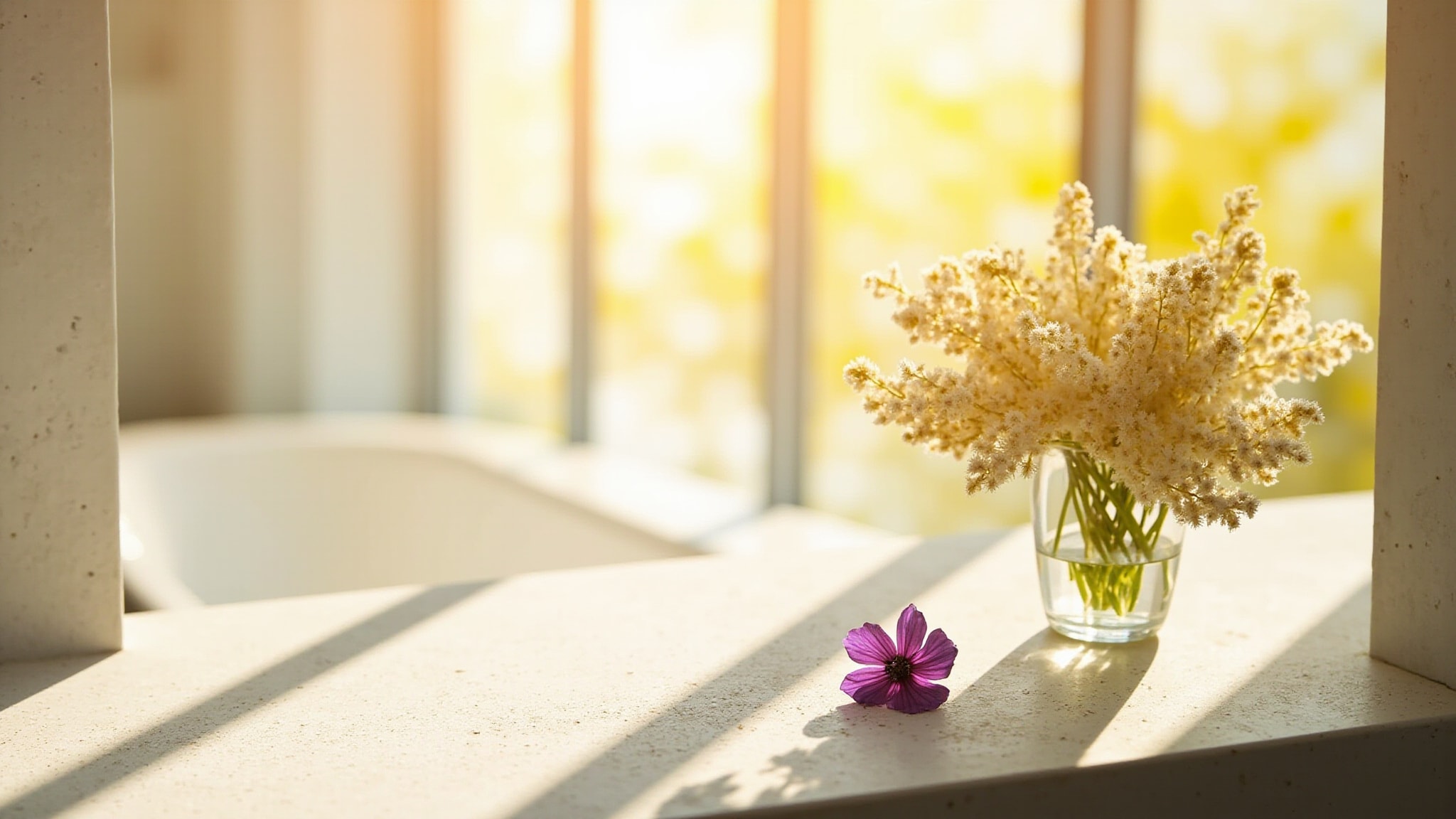
Divina arrived in 2018 from perfumer Caroline Sabas, and the name says everything. Divina means divine, something lifted, radiant, a little too beautiful to be ordinary. The brief was simple: translate the feeling of sunlight into scent. Not just the brightness, but the warmth it leaves behind on skin. Sabas reached for yellow florals, mimosa and sunflower, ingredients that carry a specific kind of solar energy. They don't smell like flowers in a shop. They smell like flowers growing somewhere that gets twelve hours of light a day.
What makes Divina interesting is the interplay between the aldehydes and the yellow florals. Aldehydes have a soapy, powdery quality that can swing vintage, think Chanel No. 5. But here, Sabas paired them with mimosa, which has a honeyed, slightly nutty warmth, and sunflower, which adds a faint kernel note. The result is powdery without being old-fashioned. The blackcurrant in the top keeps things tart and fruity, so the whole composition stays modern. It's a careful balance: warm enough to feel inviting, bright enough to feel alive.
The evolution
The grapefruit hits first, sharp, citrus, a quick flash of morning. Thirty seconds in, the aldehydes arrive and soften everything. The blackcurrant adds a dark berry undertone that keeps the citrus from being too simple. Then the yellow florals take over: mimosa first, honeyed and warm, followed by sunflower, which has a faint nuttiness like the inside of a seed. The violet adds a powdery purple note that bridges into the base. By hour two, the musk and sandalwood arrive, creamy, soft, with the heliotrope adding that characteristic almond-powder drydown. On most skin, the full arc runs six to eight hours. The sillage is moderate, you'll smell it on yourself, but you're not filling the room. The drydown on clothing can last into the next day, faint and warm.
Cultural impact
Divina sits comfortably in the sunny floral category, fragrances that promise warmth and optimism without complexity. It's the kind of scent that reads as happy, which means it works across seasons but especially in spring and summer. The yellow florals set it apart from the standard rose-lily jasmine template, giving it a slightly different character that wearers describe as distinctive without being difficult.