The Story
Why it exists.
The beginning
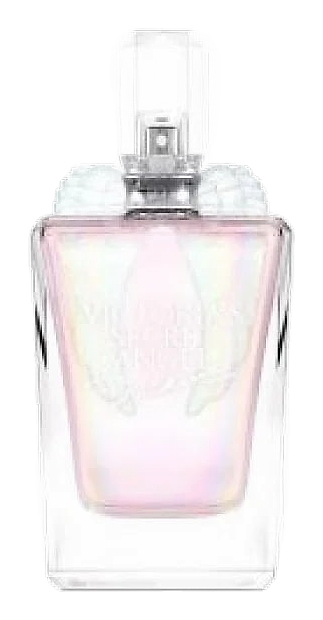
Angel Dream arrived in 2013 as part of Victoria's Secret's broader Dream Angels collection, a line built around warmth, musk, and that particular brand of unapologetic sweetness the house is known for. The official positioning calls these "warm, decadent aromas with musk", a shorthand for the kind of fragrance that aims to feel indulgent without crossing into heavy territory. Angel Dream leans into the sweeter end of that spectrum, the one meant for someone who wants their scent to feel like dessert, not like a statement. The Dream Angels lineup has become a recurring anchor in the brand's body fragrance catalog, refreshed over the years with new variations that each put a slightly different spin on the same core idea of soft, gourmand-leaning musk.
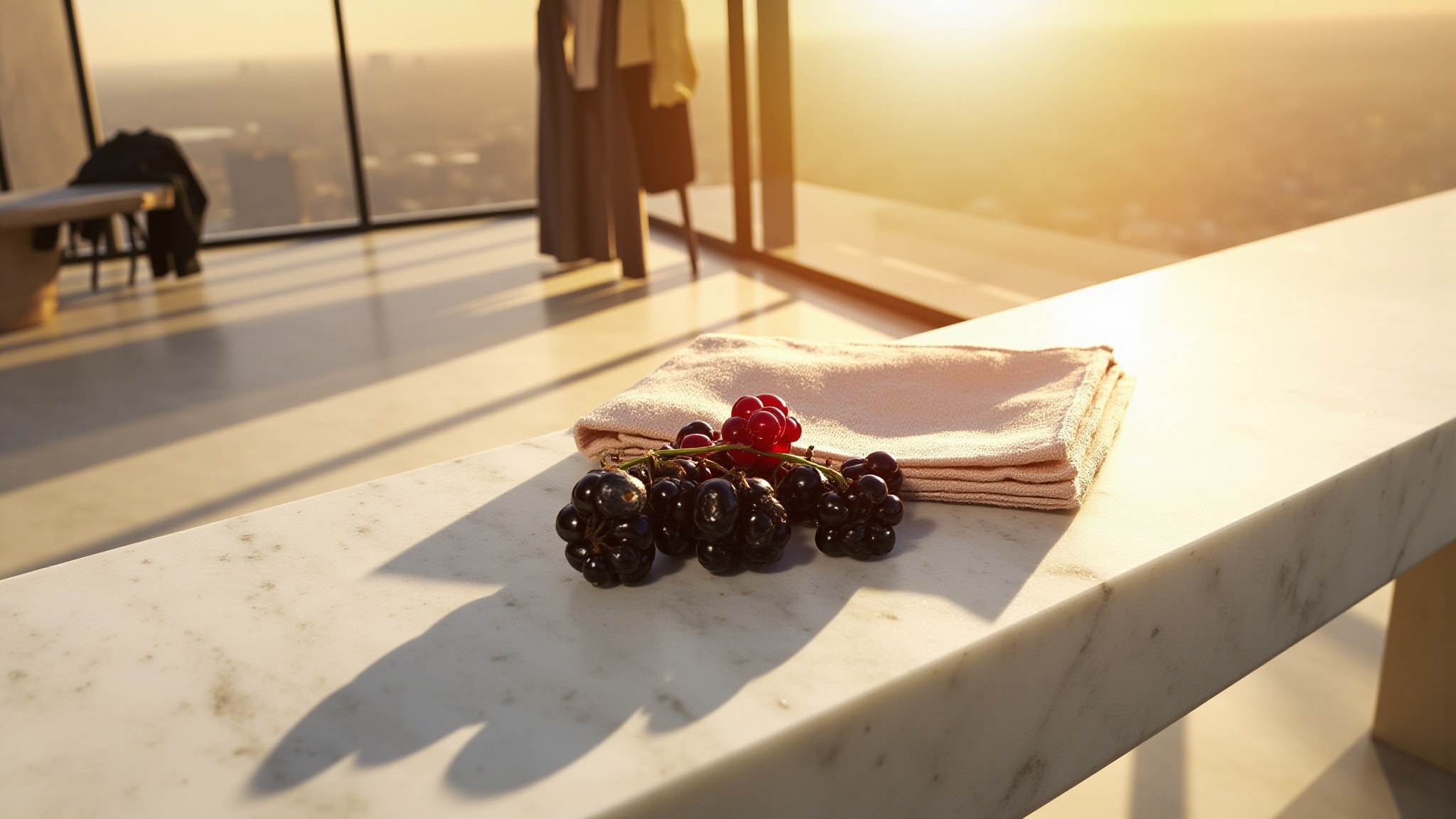
The interesting choice here is restraint within sweetness. Blackcurrant opens loud, it can veer into jam territory or go medicinal fast, but the sandalwood underneath acts as a buffer, pulling the fruit toward something creamier and less sharp. Violet adds a powdery, slightly dusty softness that keeps the whole thing from becoming a straight sugar bomb. The result reads more like a berry pastry than a berry candy, which is a deliberate move in a category crowded with cheap gourmands.
The evolution
The first ten minutes belong entirely to blackcurrant, and it's the bright, almost jammy version of the fruit, not the tart one. It smells sweet before it smells like food, more like the idea of sweetness than actual sugar. Around the fifteen-minute mark, the sandalwood and violet start pulling it backward, softening the sharpness into something rounder and more powdery. The drydown is where this lives or dies, and it lives. The sandalwood takes over fully, creamy and warm, and stays that way for hours, with the violet continuing to lend that subtle dusting of softness that keeps the sweetness from feeling flat. The blackcurrant doesn't vanish entirely either; it retreats into a faint fruity echo that hovers underneath the wood, reminding you where the scent started before it settled into its final form.
Cultural impact
Angel Dream arrived at a moment when Victoria's Secret fragrance had become a rite of passage for a generation of American teenagers and young women. The brand's body mists and perfumes occupied prime real estate in mall culture, sold in the iconic pink-and-black packaging that signaled entry into a particular kind of feminine identity. Angel Dream fit squarely within that tradition, offering a sweet, approachable scent that didn't require any perfume expertise to enjoy. It carried the soft femininity associated with the brand's broader aesthetic, leaning into a creamy, berry-driven mood that felt accessible and easy to wear every day.