The Story
Why it exists.
The beginning
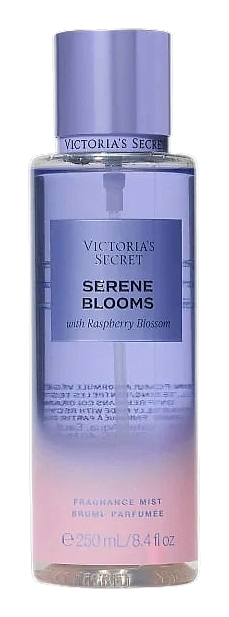
Serene Blooms arrived in 2026 from the perfumer Elena Valdivieso Ruiz. Victoria's Secret gave Ruiz a brief that shows up twice in the official description: gentle. That word does heavy lifting in a fragrance category that tends toward the loud. Delicate, calming, a gentle floral air. It is a deliberate register for a house better known for spectacle, the kind of brief that asks a perfumer to build something closer to a sigh than a statement. Ruiz works within a house that carries enormous distribution reach and decades of category presence, and that infrastructure matters when the ask is restraint. Restraint is harder to execute than abundance. Most florals pile on petals and call it depth. The interesting move here is subtraction.
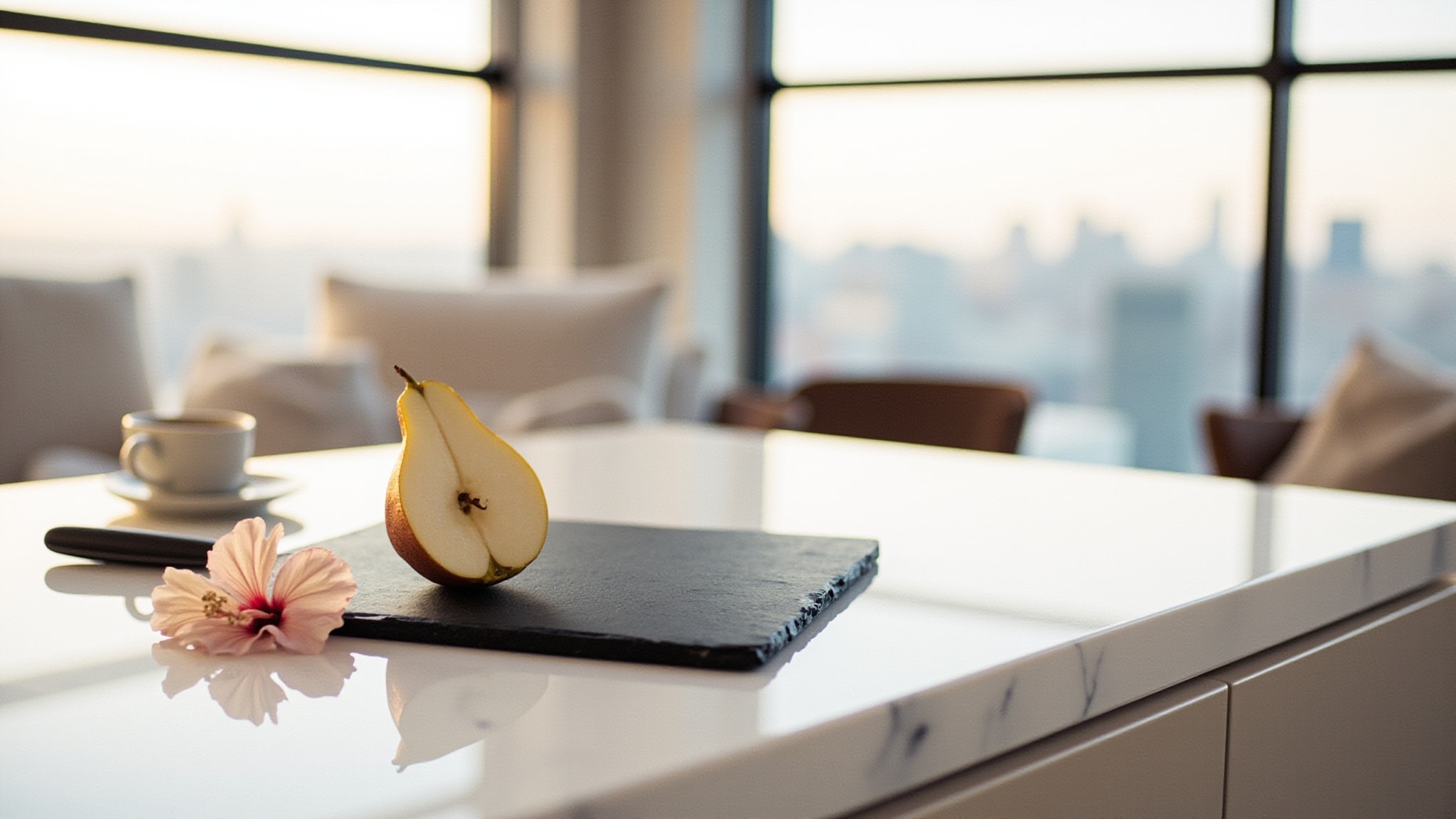
The composition leans on three materials that share a quality most florals don't: restraint. Raspberry blossom is one of the few fruit-adjacent florals that doesn't read as sugary. There is a pink impression to it, a faint sweetness that registers more like color than flavor, and that ambiguity is the point. Pear, when handled cool and dewy the way the note pyramid suggests, stays aqueous and pale rather than candy-like. It gives the opening a watery clarity, the olfactory equivalent of cold fruit held up to light. Hibiscus is the structural choice, and the interesting one.
The evolution
First thirty minutes on skin, and the pear does what good pear does in fragrance. Cold fruit, almost mineral, like biting into one just out of the refrigerator. Raspberry blossom arrives at the edges, a faint pink sweetness that registers more as color than taste. The combination reads bright but not sharp, the way early morning light through a window reads bright. There is a watery quality to the opening that makes the whole thing feel cleansed, like skin after splashing cold water. Around the one-hour mark, the pear cools off and hibiscus steps forward. This is where the fragrance finds its actual personality. The hibiscus brings a clean tartness, like unsweetened tea or the smell of petals after a light rain. It cuts the residual sweetness from the fruit notes and opens up a greener, more vegetal register.
Cultural impact
Serene Blooms occupies an interesting corner of the Victoria's Secret catalog. It is floral and soft and intentionally close to the skin, the kind of release that rewards proximity over projection. Already apparently discontinued since its 2026 release, it carries the air of something that did not need to shout to be worth making. The note structure, pear and raspberry blossom over hibiscus and rose, with a bare musk and sandalwood base, is notably restrained. No sugary vanillas. No heavy patchouli. No dense white florals fighting for dominance. Just materials chosen for their clarity and their capacity to stay quiet.
The House
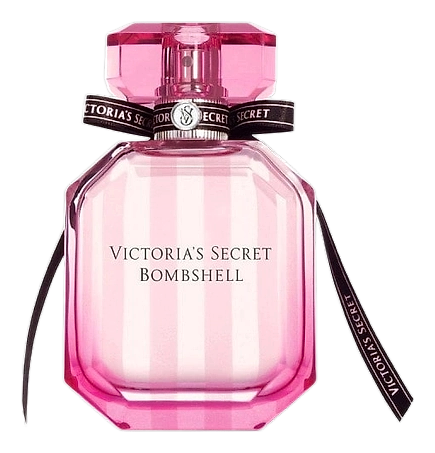
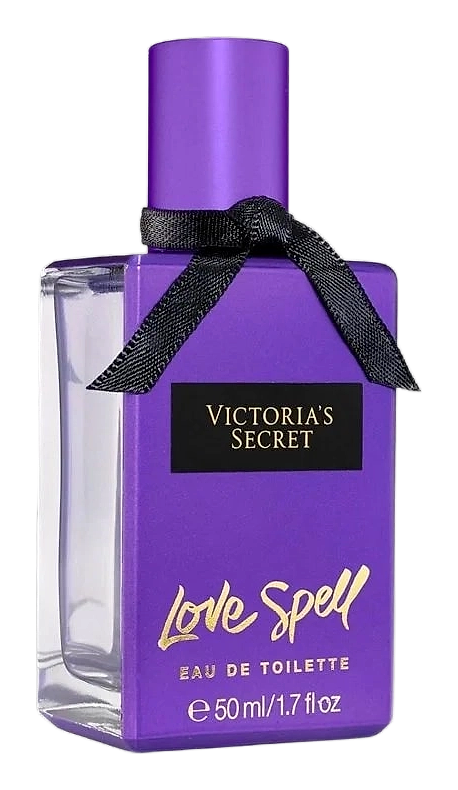
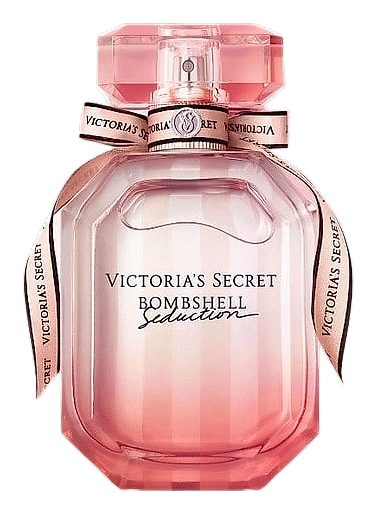
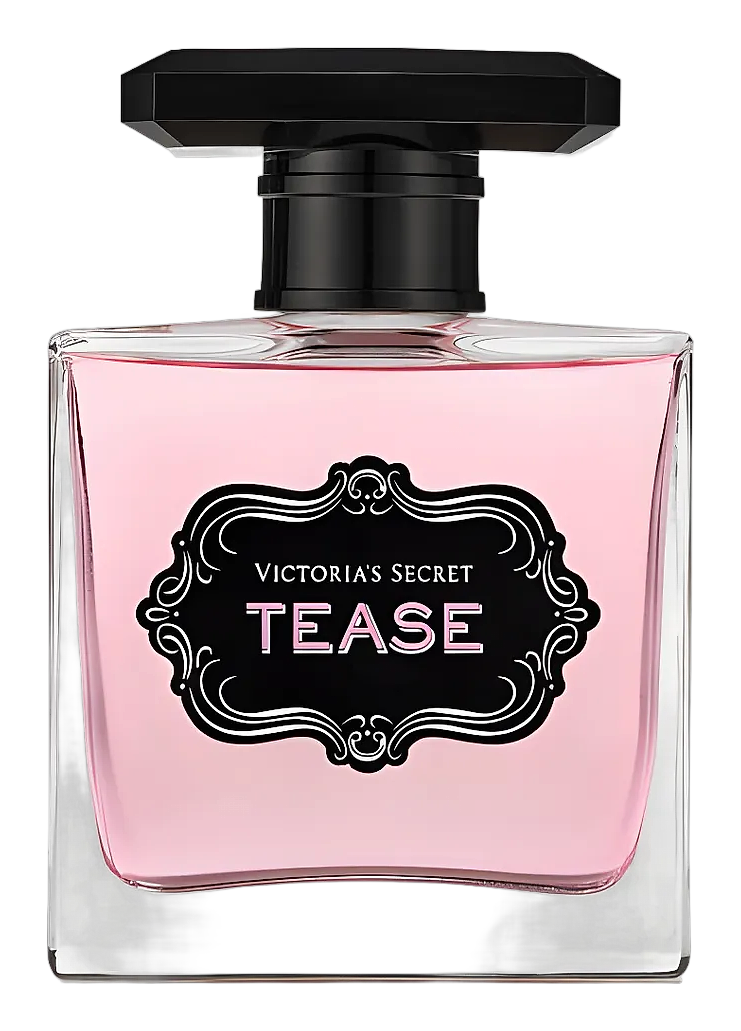
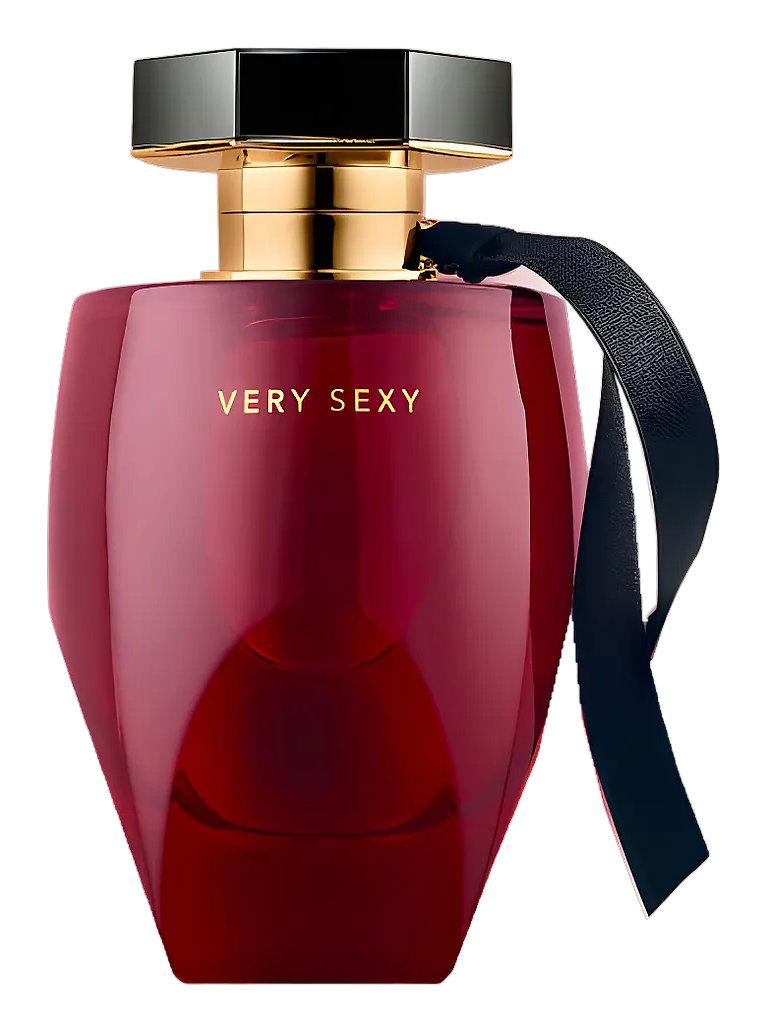
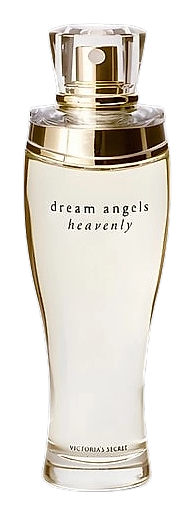
Victoria's SecretVictoria's Secret began as a San Francisco lingerie company founded in 1977 by Stanford graduate student Roy Raymond and his wife Gaye. The brand entered fragrance in 1989, launching its first perfume Victoria as part of a national magazine campaign. By the early 1990s, the company had grown to 350 stores nationwide with estimated sales of $1 billion. The beauty division grew substantially enough to generate nearly $1 billion in sales by 2006. Victoria's Secret fragrances are developed through Givaudan's Paris laboratory, the same fragrance house behind perfumes for Tom Ford, Prada, and Louis Vuitton. The brand works with a rotating roster of over 30 perfumers rather than a single in-house nose, creating scents for its Dream Angels, Very Sexy, Body, and Pink collections. Popular fragrances include Bombshell, Love Spell, Tease, and Heavenly, which ranked as the top-selling fragrance in the United States by both revenue and volume from 2005 to 2010. Victoria's Secret has won 20 Fragrance Foundation awards since 2001. The company offers fragrances alongside perfumed body care products including body mists, body lotions, and eau de parfum in various formats.
The Creator
Elena Valdivieso RuizRose occupies a central place in her olfactory vocabulary, but she renders it with an almost architectural clarity. The opening can arrive with immediacy, a directness that announces itself before retreating into more layered territory.