
The Story
Why it exists.
The beginning
Van Cleef & Arpels named this fragrance Rêve, 'dream' in French, and the name says everything. Cashmere Dream, to be precise: Rêve de Cashmere. This is a fragrance about softness as ambition, about the kind of luxury that doesn't demand attention. The 2013 launch came from perfumer Nathalie Feisthauer, who approached the brief with an understanding of the house's DNA: precious materials, poetic inspiration, the quiet confidence of true craftsmanship. Pear and neroli opened the composition bright and sparkling, a deliberate lightness that promised something ephemeral. Then the florals arrived, not loud, not shouty, just present with the certainty of something that belongs.
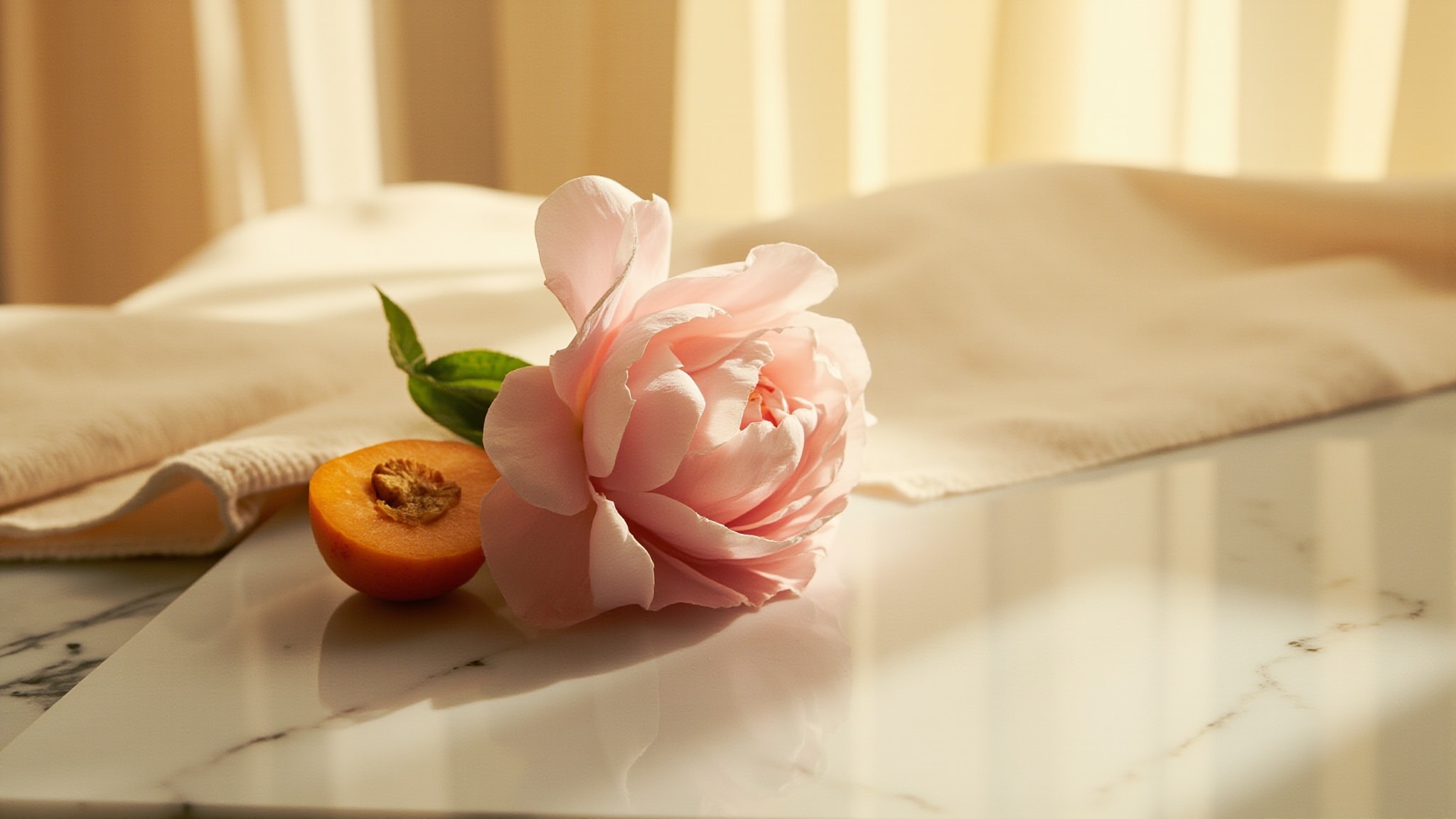
The osmanthus is what sets this apart. That apricot-honey quality threads through the white floral heart in a way that makes the peony and lily feel less expected and more specific. This isn't a generic bouquet. It's a particular kind of bloom. Combined with the sandalwood and amber base, the composition achieves something interesting: the warmth of a cashmere wrap without the weight of one. Almost oriental, as the brand described it, that label applies not to aggression or spice, but to a certain fullness, a rounded quality that lingers close to skin. The note structure rewards patience.
The evolution
Pear and neroli arrive together, bright and immediate, that sparkling quality carries through before the florals take over. The handoff is gentle, not dramatic. Peony enters first, soft and familiar, followed by lily's green-tinged creaminess. Then osmanthus deepens everything. That's the phase worth watching, the point where the composition stops being pretty and starts being specific. The apricot-honey note becomes more pronounced as it warms against skin, a quiet richness that most white floral compositions never achieve. The sandalwood and amber don't arrive so much as settle, providing a warmth that keeps the florals from floating away entirely. This is a fragrance for the wearer, not the room. By the final hour, it becomes almost skin-like, a soft memory of the initial bloom rather than the bloom itself.
Cultural impact
Rêve occupies a particular space in the lineup, accessible without being generic, feminine without being aggressively sweet. The osmanthus heart is what sets it apart from typical white floral compositions, giving it an apricot-honey depth that adds unexpected dimension. It's the kind of fragrance that rewards patience: the drydown is where it lives. For those who find most Van Cleef & Arpels fragrances too bold or too precious, Rêve offers a softer entry point, still unmistakably the house, just quieter about it.