The Story
Why it exists.
The beginning
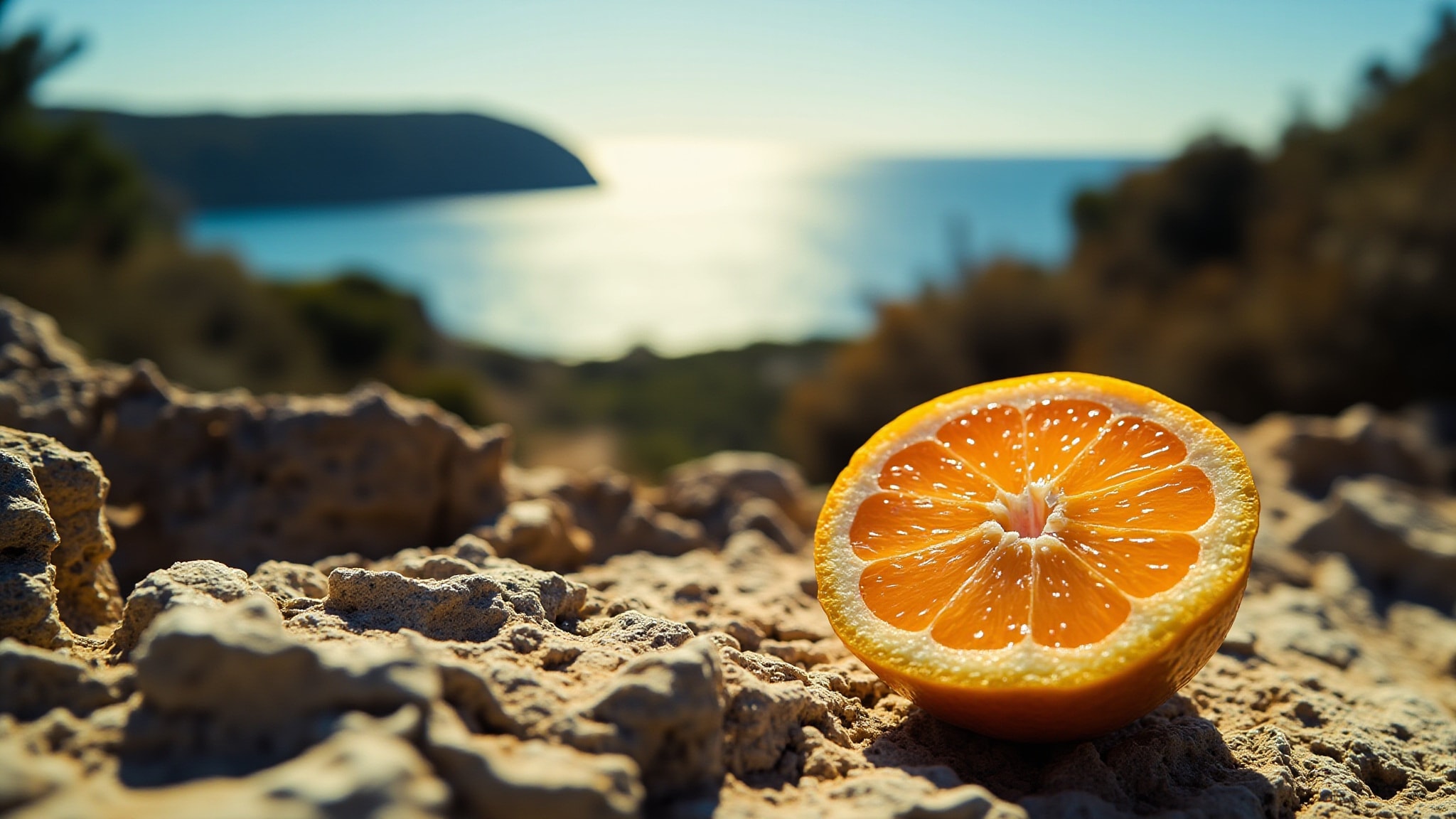
The name says Figari, a town at the southern tip of Corsica where the maquis runs wild down to limestone cliffs and the Mediterranean crashes against stone. This is Véronique Stambouli's take on that landscape: the herbal scrubland that covers the island's interior, the salt that never quite leaves the air, the particular warmth of a place where the sun has been hitting the same rock for centuries. She trained in the Grasse region, yes, but this fragrance reaches further south, into a landscape where the maquis meets the Mediterranean and the air carries both green and mineral notes, where the herbal and the coastal exist in conversation with each other.
What makes this work is the way the materials don't compete. Grapefruit opens bright and direct, no pretense, just citrus. Myrtle is the bridge: aromatic, slightly bitter, unmistakably Mediterranean. Immortelle is the payoff, bringing its characteristic honeyed warmth without becoming heavy. Sea notes add atmosphere without drowning the composition. The result is a fragrance that smells like a place, not a concept of a place, specific enough to spark recognition in anyone who's stood on that coast, intriguing enough for those who haven't.
The evolution
The grapefruit hits first, bright, immediate, a little sharp. Myrtle follows within minutes, softening the citrus into something herbal and grounded. Cedar adds structure underneath. By the time the heart arrives, the citrus has receded and the sea notes emerge, bringing a marine quality that evokes spray over warm stone rather than cold ocean. Fig adds a subtle sweetness that doesn't overpower. Immortelle arrives as the real character, warm, slightly honeyed, with that distinctive herbal quality that sets it apart from generic floral. The drydown is long: patchouli's earthiness grounds everything, musk softens the edges, and the whole composition settles into something that lingers. The marine quality itself feels distinctly warm, mineral and salt rather than cold and aquatic.
Cultural impact
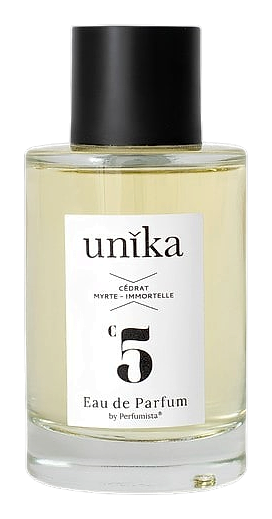
c 5, Cédrat Myrte Immortelle centers on an unconventional accord that rarely takes a leading role in perfumery. Immortelle appears in many fragrances but seldom as a primary building block. Using it as a defining element changes the composition's character, giving it a different quality than fragrances where it plays a supporting role. The approach sidesteps typical fragrance marketing by letting the materials themselves communicate what makes the scent distinctive. The result is a composition that feels genuinely unconventional rather than positioned to appeal to established preferences.