
The Story
Why it exists.
The beginning
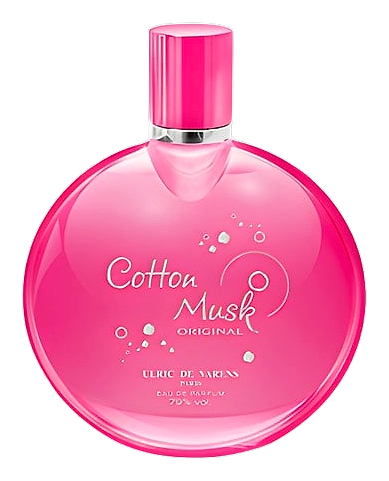
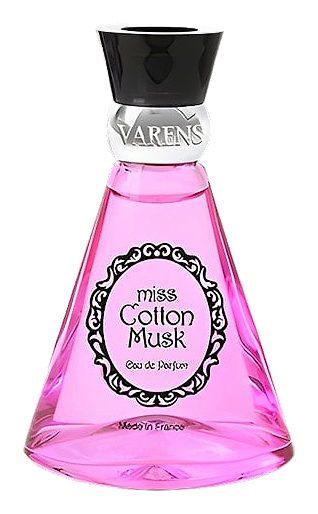
The name says everything. Miss Cotton Musk takes the most universal clean scent, fabric dried in fresh air, and drapes it in soft white florals and skin-warm musk. Ulric de Varens built its catalog around accessibility, creating scents that work for real lives rather than special occasions. Miss Cotton Musk fits that philosophy perfectly: a fragrance for the morning, not the event. The brief was simple, perhaps: make clean smell like more than soap.
What makes Miss Cotton Musk work is its restraint. Lavender opens sharp and herbal, cutting through the sweetness before the florals arrive. But they don't storm in, jasmine, freesia, and white lilac unfold quietly, layering into something powdery and delicate. The coriander adds a faint spice at the heart, barely there, just enough to keep the florals from going flat. By the base, the fragrance has settled into white musk and vanilla, a combination that smells like warm skin, not perfume. The gap between fresh laundry and intimate warmth is exactly where this fragrance lives.
The evolution
Lavender arrives first, crisp, cool, almost medicinal before the white musk softens it. That opening lasts maybe ten minutes, then the florals take over: lilac and freesia building a powdery sweetness that doesn't overwhelm. Jasmine adds depth underneath, a faint green richness. The hand-off from heart to base is subtle, the florals thin out rather than disappear, leaving white musk and vanilla as the longest-lasting impression. By hour four, it's skin-close. By hour six, barely there. On fabric, it lingers longer, the cotton accord holds the scent the way fresh linen holds scent in real life.
Cultural impact
The clean-skin trend emerged in the early 2000s as an alternative to heavy, sillage-driven fragrances. White musk and powdery florals became the calling card of accessible, everyday wear scents. Miss Cotton Musk enters this tradition, positioning itself as a straightforward option for consumers seeking a quiet, non-intrusive presence. The scent reflects a broader shift toward intimate fragrance wear in professional and social settings where overpowering scents became socially discouraged. Ulric de Varens built its reputation on delivering this kind of wearable accessibility across European and Middle Eastern markets.