White lilac
White lilac offers a crisp, green‑fresh floral note that recalls early spring breezes, blending subtle powdery sweetness with a faint herbaceous edge. Its clean profile makes it a prized accent in modern compositions.
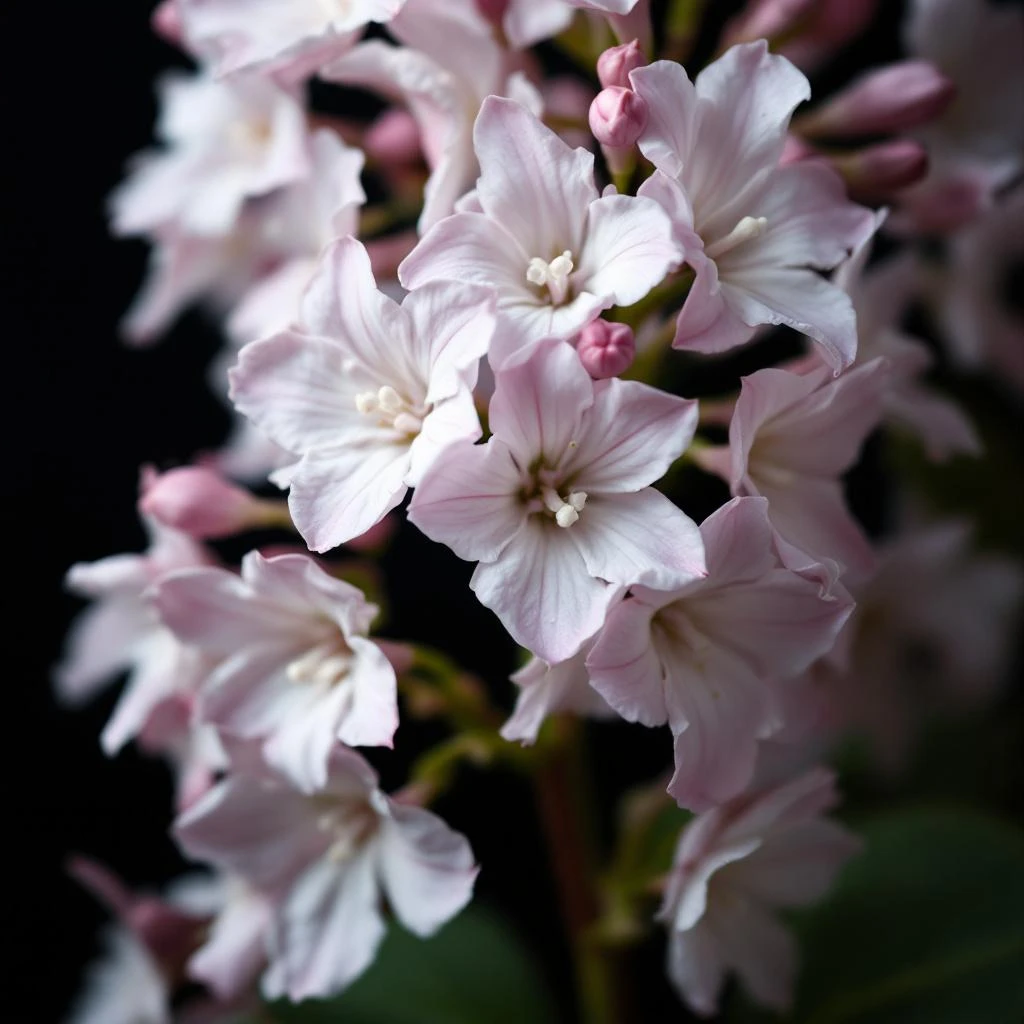
Character
How it smells
A crisp, green‑fresh bloom captured for the nose.
Natural white lilac absolute requires the traditional enfleurage method, a process that can take up to six weeks and yields only a few millilitres of oil from a kilogram of fresh petals.







Origin
Turkey
The grown lilac, Syringa vulgaris, traces its roots to the mountainous regions of the eastern Mediterranean, where ancient Greeks named the plant after the Greek word “syrinx,” meaning pipe, because shepherds fashioned flutes from its sturdy stems. Roman gardens prized the shrub for its fragrant spring display, and medieval herbals recorded its use in sachets and ceremonial garlands. By the late 18th century, lilac spread across Europe as an ornamental favorite, inspiring early perfume makers to experiment with its scent.
Natural extraction proved difficult; the first recorded attempts used enfleurage in Parisian ateliers during the 1840s, but the low yield kept lilac a niche ingredient. The breakthrough arrived in 1972 when chemist Georges Firmenich introduced the synthetic aldehyde known as lilial, providing a reliable green‑floral note that could stand in for the rare absolute. This development opened the door for lilac to appear in mainstream spring fragrances throughout the 1980s and 1990s.
Today, white lilac remains a symbol of early spring, celebrated in niche compositions that honor the original blossom through painstaking natural extraction, while mass‑market scents rely on its synthetic counterparts.
Wears it best
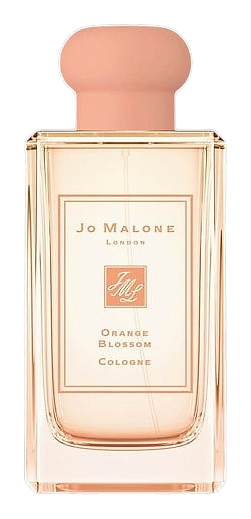
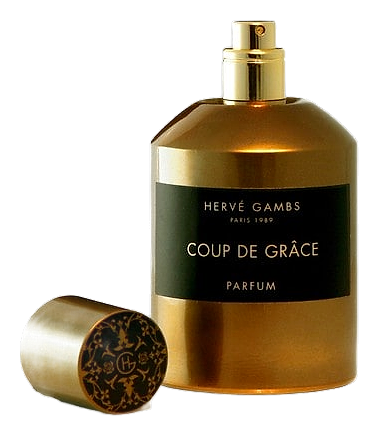
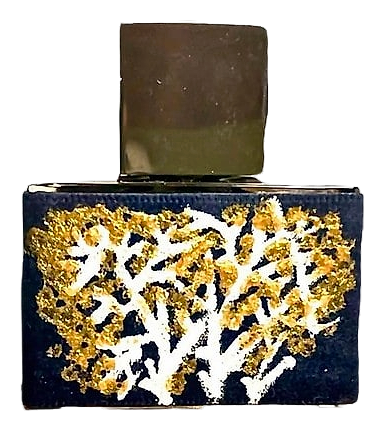
Fragrances featuring White lilac
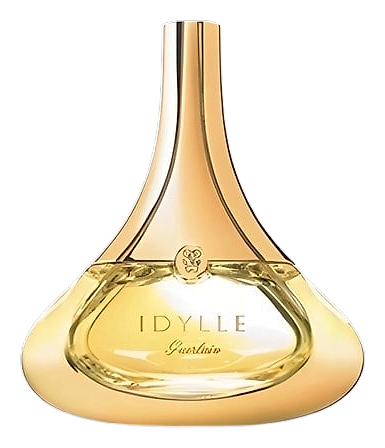
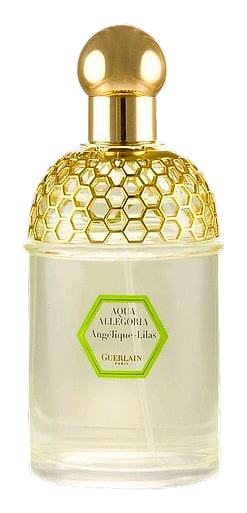
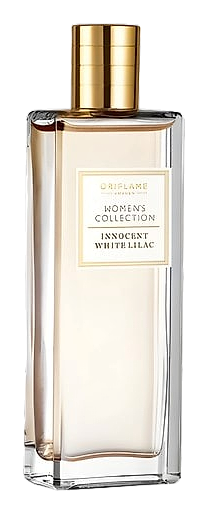
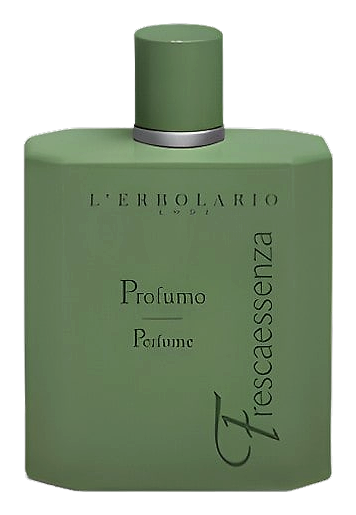
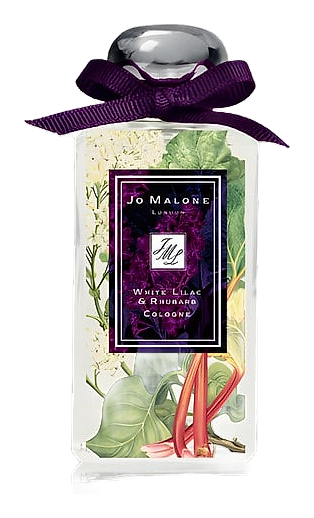
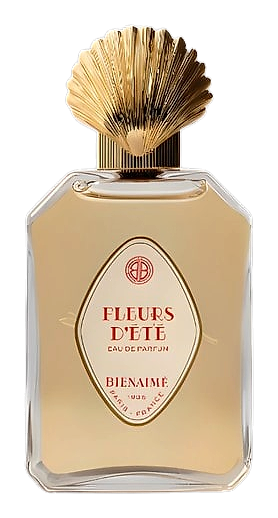
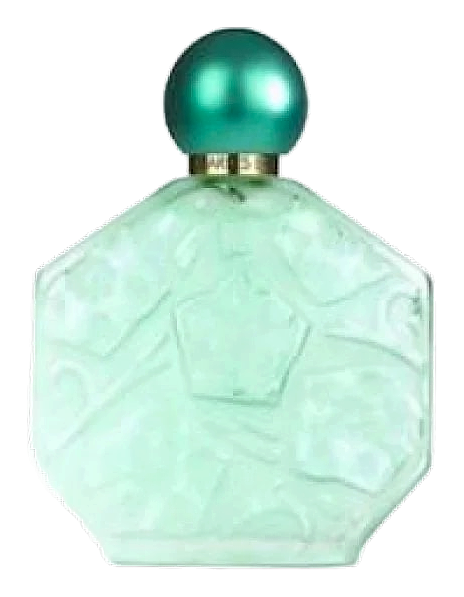
Brands
Brands known for White lilac
Good to know
Questions, answered
The essentials on White lilac in perfumery: how it smells, where it comes from, and how it behaves on skin.
What scent character does white lilac provide in a perfume?
White lilac adds a green‑fresh, powdery floral nuance with a faint herbaceous undertone. A typical olfactory analysis lists top notes of cyclamen, violet leaf, and a soft sweet accord, measured at 0.3 % concentration in classic spring blends.
How is natural white lilac extracted?
Perfume makers extract natural white lilac using enfleurage, a fat‑based absorption technique that captures the delicate blossom oil. The process can take up to six weeks on fresh petals, after which alcohol washes the fat to yield a few millilitres of absolute per kilogram of flowers.
Why is natural white lilac rare in modern perfumery?
Natural white lilac is rare because its extraction demands time‑intensive enfleurage and yields only trace amounts of oil. Industry reports note that a single hectare of lilac produces roughly 0.5 kg of absolute, far less than more robust materials like rose or jasmine.
When did synthetic lilac notes become commercially available?
Synthetic lilac notes entered the market in the early 1970s, providing a stable alternative to natural absolute. The compound lilial (butylphenyl methylpropional) was patented in 1972 and quickly adopted by major houses for its consistent green‑floral character.
Which part of the lilac plant supplies the fragrance?
The fragrance derives exclusively from the flower petals of Syringa vulgaris. Botanical studies show that the petal’s glandular cells contain the volatile compounds responsible for the signature scent, while leaves and stems emit only faint green notes.
Is white lilac considered allergenic?
White lilac can trigger skin sensitization in a small percentage of users, especially in its absolute form. Patch‑test data from the European Contact Dermatitis Society recorded a 1.2 % positive reaction rate among participants exposed to lilac absolute.
How does white lilac compare to purple lilac in perfumery?
White lilac offers a lighter, greener profile, whereas purple lilac leans toward richer, sweeter tones. Comparative GC‑MS analyses show higher levels of linalool and coumarin in purple varieties, while white lilac emphasizes hydroxycitronellol and lilac aldehydes.
Can white lilac be blended with citrus notes?
Yes, white lilac blends smoothly with citrus, enhancing brightness without overpowering the floral core. Formulators often pair 5 % white lilac absolute with 10 % bergamot oil to achieve a balanced spring opening, as documented in a 2019 fragrance formulation guide.


