
The Story
Why it exists.
The beginning
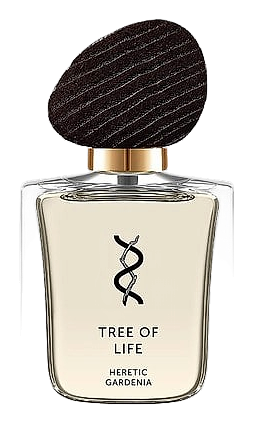
Lucas Sieuzac named this one 'Heretic' for a reason. Gardenia is one of perfumery's most beloved flowers, and one of its most misused. Screaming white florals, drowning in synthetic cream. Sieuzac wanted to strip it back to what makes gardenia actually beautiful: the waxy green scent of petals crushed between fingers, the honeyed undertone that appears when you don't force it. Heretic Gardenia is his argument that restraint is the real radical act.
Gardenia presents a specific challenge, its lactones are naturally creamy, almost buttery, and most fragrances lean into that richness until the flower becomes unrecognizable. Litsea cubeba solves this. Its clean, citrusy spark keeps the composition from going dense, letting the gardenia's honeyed character emerge naturally rather than being manufactured. The result is a gardenia that smells like gardenia, not like a memory of gardenia.
The evolution
The opening announces itself immediately: gardenia's waxy, lactonic character hits first, then litsea cubeba's bright citrus spark arrives to keep everything crisp. Around the 30-minute mark, the citrus softens and orange blossom's honeyed sweetness takes over, with peony softening the edges of the floral heart. By the second hour, the composition settles into a skin-close warmth, musk threading through the drydown, tonka bean adding a powdery warmth that lingers. On fabric, it can carry into the next day.
Cultural impact
Gardenia has long been a cornerstone of perfumery, often linked to opulent, heady interpretations that lean heavily on indolic richness. Heretic Gardenia departs from that tradition, presenting the flower in a cleaner, more restrained context that reflects contemporary preferences for brightness and transparency. Tree of Life's debut in 2023 coincided with a broader cultural shift toward fragrances that feel authentic rather than performative, where natural imagery and elemental references resonate more than overt luxury signaling.