The Story
Why it exists.
The beginning
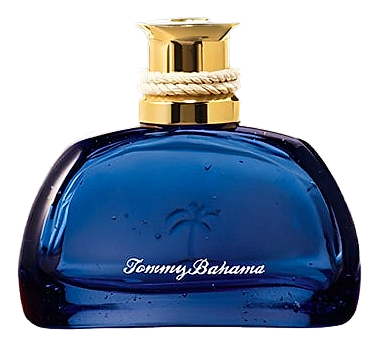
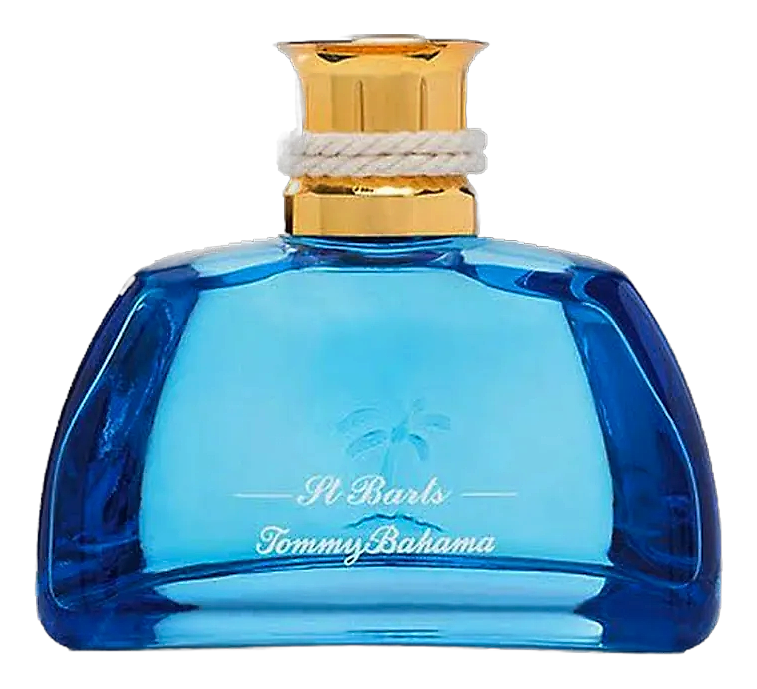
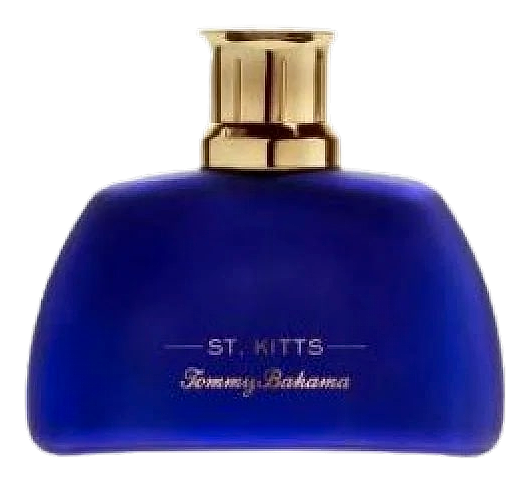
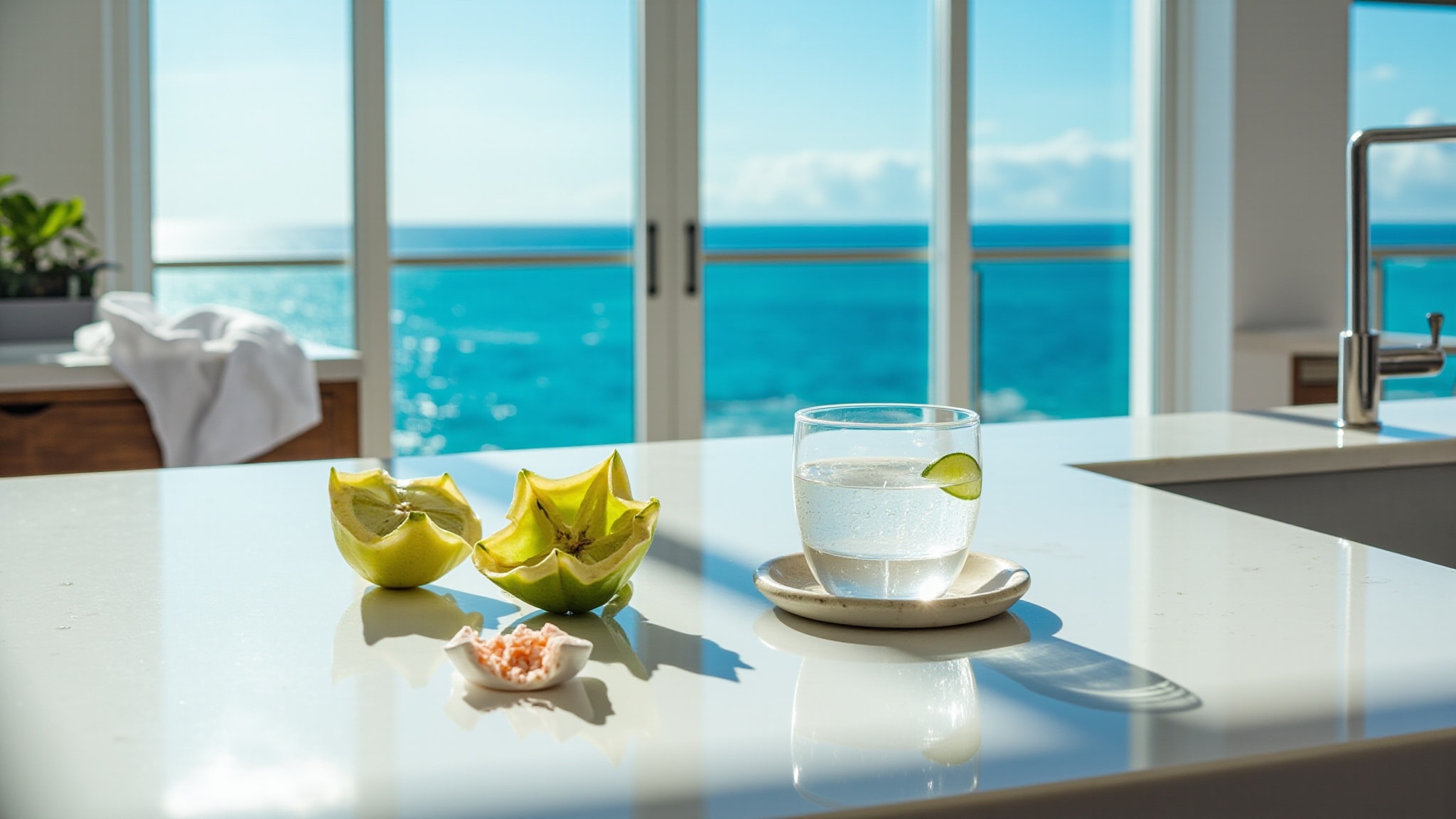
Harry Frémont built St. Kitts around an island, and it shows. The choice of starfruit as a lead note is the first signal, unusual in perfumery, where tropical is usually shorthand for coconut or mango. Starfruit is tart, slightly green, shaped like a star. It doesn't smell like a postcard. It smells like something you actually bit into once on vacation and remember. Kaffir lime and mandarin orange follow, keeping the top bright and citrus-forward. Then the sea salt and aquatic notes take over. Not a storm. The still air above warm water. Cedar and driftwood form the island floor beneath it, not sand, not palms, but the actual terrain of a Caribbean shore. Ambergris and musk anchor the whole thing, adding warmth and that salt-memory that clings to skin hours after you've left the water.
The pyramid structure is what makes St. Kitts work. Most tropical fragrances lead with sweetness and lose the plot. This one opens acidic and mineral, then softens into warmth. The starfruit-kaffir lime combination gives the opening an unusual tartness that separates it from the generic tropical pack. Sea salt bridges the citrus and the woody base, it's the connective tissue that makes the whole thing feel cohesive rather than assembled. Driftwood and ambergris are the slow-burn notes. They don't announce themselves. They wait. By the time you realize the fragrance has dried down, you're already smelling like the memory of salt air.
The evolution
The opening hits fast. Starfruit and kaffir lime arrive together, bright, acidic, a little electric. It's more tart than sweet, which surprises people expecting the usual tropical sweetness. Mandarin orange softens it slightly, but the overall effect is still unusual for a men's fragrance. Then the aquatic notes take over, and the sea salt arrives. The hand-off is smooth. Not jarring. Just the ocean deciding to stay a while. The heart phase lasts a few hours. Cedar weaves through the aquatic notes, giving the composition a woody undertone that keeps it from smelling like air freshener. Sea salt lingers in the background, not dominant, but present. The sillage stays moderate throughout. Some will call this a weakness. It's not. It's the fragrance knowing when to pull back. The drydown is where driftwood and ambergris do their work. Musk adds warmth, a skin-like quality that feels intimate rather than performative. The salt never fully disappears. It's the memory of the ocean on skin, hours later.
Cultural impact
St. Kitts launched in 2015 during a period when aquatic fragrances dominated warm-weather releases, but the composition distinguished itself by leaning into tropical authenticity over generic beach vibes. The decision to feature starfruit as a lead note, rare in perfumery, signaled an ambition to evoke genuine island character rather than coastline shorthand. This approach attracted a following among fragrance enthusiasts who appreciated the unusual tartness that separates it from typical citrus-aquatic compositions. The fragrance has maintained a loyal following since its 2015 release, resonating with consumers seeking something beyond the standard aquatic template.