

Heritage
A house, in its own words
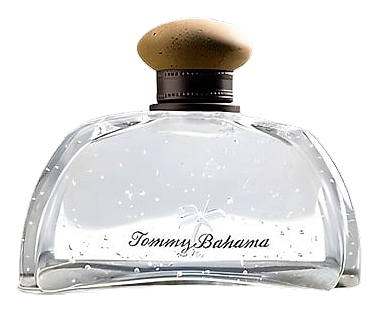
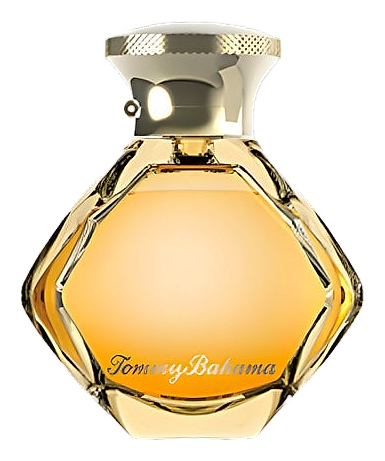
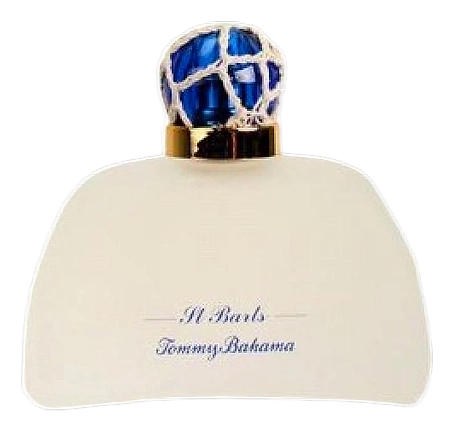
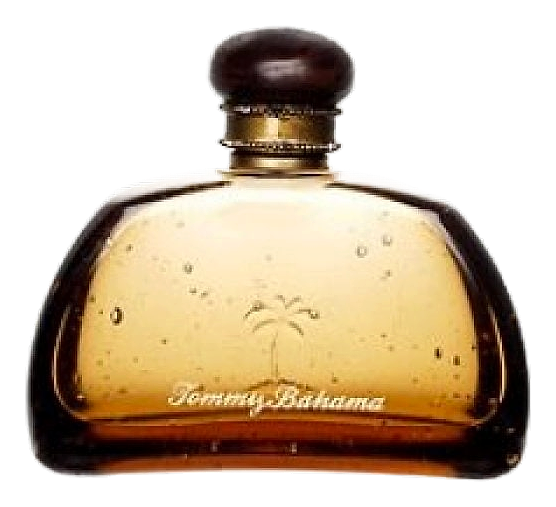
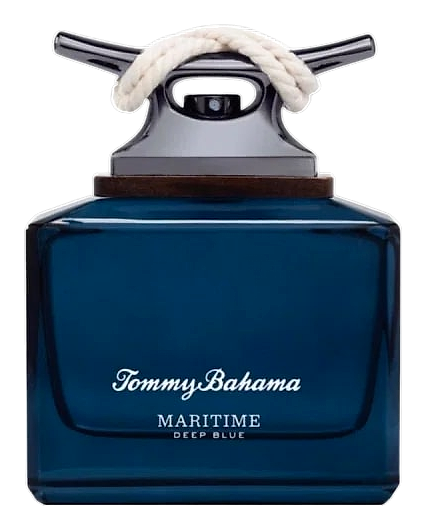
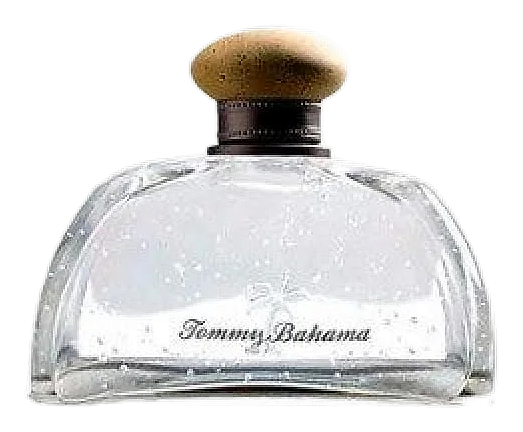
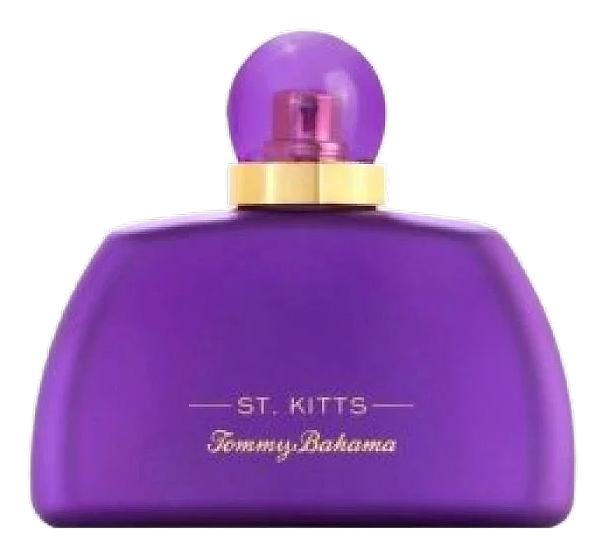
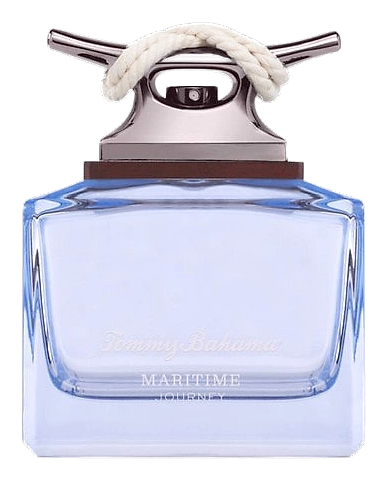
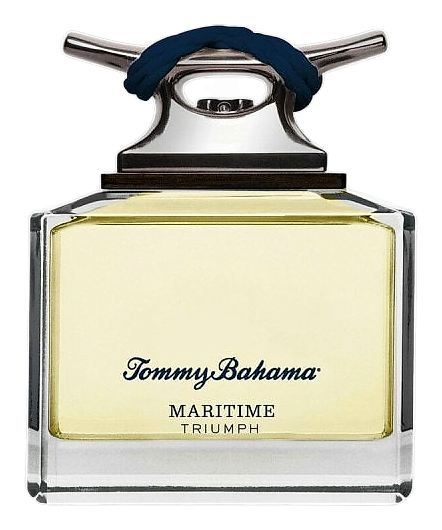
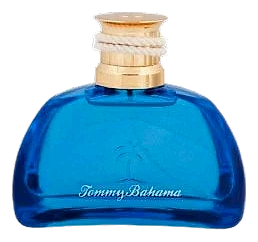
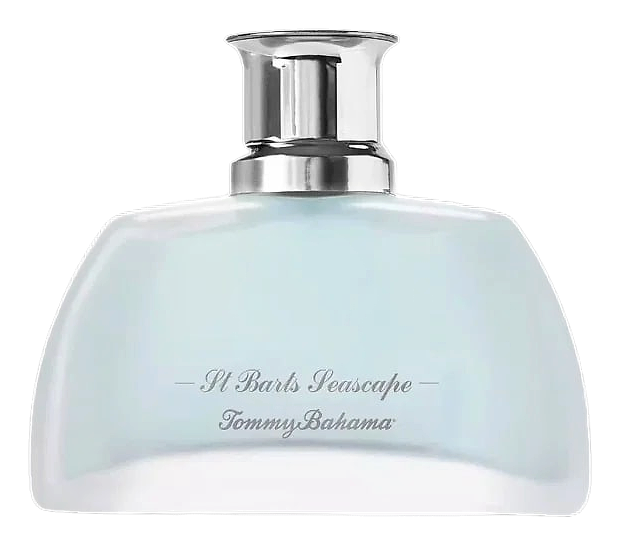
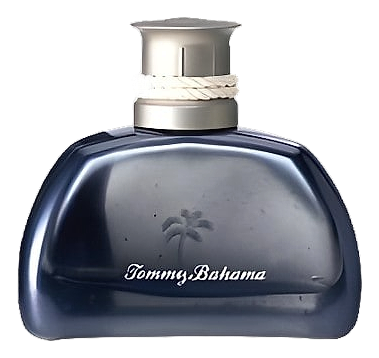
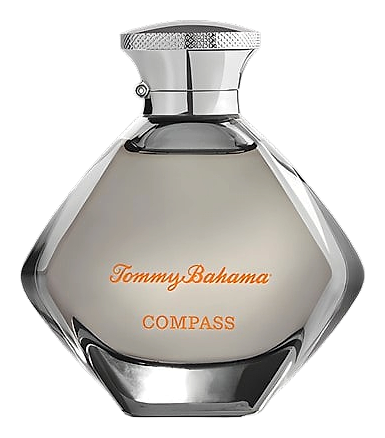
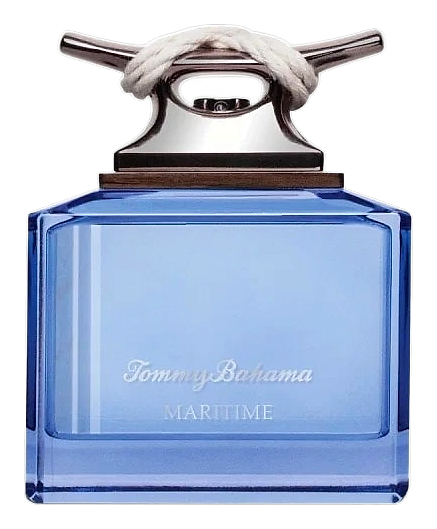
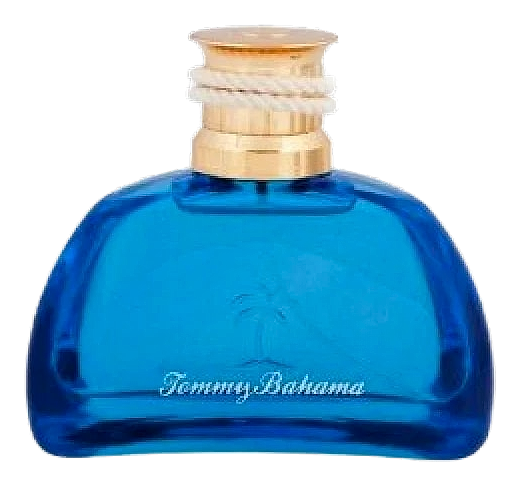
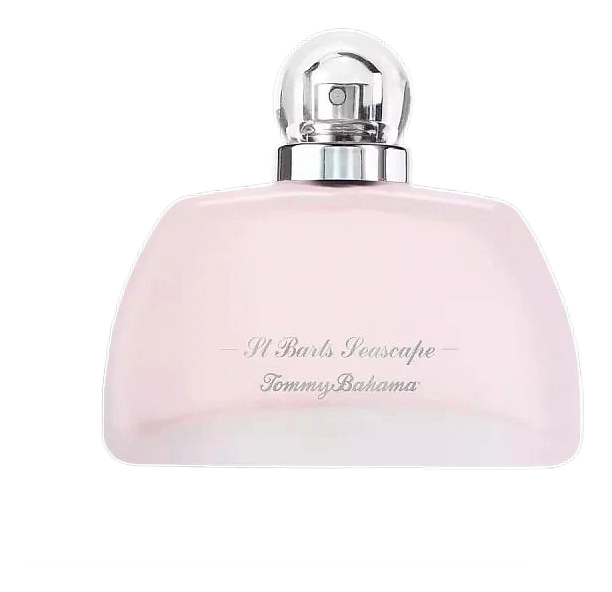
Tommy Bahama was founded in August 1993 in Seattle, Washington by Tony Margolis and Bob Emfield. The duo launched a clothing label that blended island motifs with upscale casual wear, quickly expanding into home décor and resort hotels. By the early 2000s the brand’s reputation for relaxed, resort‑ready style prompted a move into fragrance. In 2004 the first Tommy Bahama perfumes appeared, offering a women’s and a men’s scent that mirrored the brand’s sun‑lit aesthetic. The following year, Tommy Bahama for Men entered the market, formulated by perfumer Harry Fremont and positioned as a fresh, citrus‑driven option. 2007 saw the introduction of the Set Sail series, a line of colognes named after the brand’s sailing‑inspired apparel collections. Set Sail Martinique arrived in 2010, adding a more exotic, rum‑spiced profile. A notable refresh occurred in 2013 when Ilias Ermenidis crafted a new Tommy Bahama for Men, emphasizing watermelon, tangerine and ginger notes. The brand continued to broaden its olfactory map with Maritime Triumph in 2021, a fragrance that blends sea salt with driftwood. In 2023 the St. Barts Seascape line launched simultaneously for men and women, delivering a bright, marine‑citrus composition that reflects the brand’s ongoing commitment to island‑inspired storytelling. Throughout its evolution, Tommy Bahama has kept its core promise: to evoke the feeling of a relaxed day on the beach, whether through clothing, décor, or scent. The fragrance division treats scent as an extension of the brand’s coastal lifestyle philosophy. Rather than chasing fleeting trends, the team selects ingredients that recall specific shorelines, weather patterns and tropical fruits. The goal is to create a sensory shortcut that transports the wearer to a warm, breezy setting without leaving home. Sustainability appears in the sourcing of natural extracts, with the brand favoring responsibly harvested citrus and marine‑derived notes when possible. Transparency guides the development process; ingredient lists are disclosed on packaging, and the brand works with established fragrance houses to ensure consistency and safety. Community engagement also shapes the line: feedback from customers who live in or travel to coastal regions informs future releases, reinforcing a dialogue between the brand and its audience. This pragmatic, experience‑first approach keeps the scent portfolio grounded in real places rather than abstract concepts.