
The Story
Why it exists.
The beginning
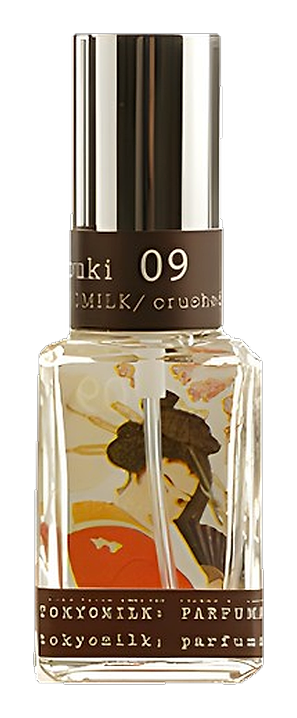
Kabuki draws its name from the theatrical tradition born in Kyoto at the dawn of the 17th century. Sugared grapefruit opens like house lights dimming, bright and translucent with a citrus bite that doesn't sharpen into bitterness. The sweetness is immediate but balanced, giving the top notes an approachable quality that invites the first spray. Lychee arrives like a spotlight finding its mark, its watery, translucent sweetness complementing the grapefruit rather than competing with it. The combination creates an opening that feels both fresh and warm, the kind of brightness that doesn't demand attention but earns it. Jasmine holds the scene with the kind of presence that doesn't need to shout.
The notes in Kabuki work together in a way that reveals new dimensions as the minutes pass. Grapefruit leads the opening with its clean, bright character, cutting through cleanly without becoming harsh or chemical. Lychee slides in with its watery sweetness, the tropical fruitiness that keeps the opening from being all sharpness and no warmth. Together they create a citrus-fruity top that feels intentional and well-considered. Then jasmine does what jasmine does: it holds the middle of the show with presence, neither shouting nor fading.
The evolution
Kabuki opens bright. Grapefruit zest and lychee sweetness arrive almost simultaneously, the citrus giving the tropical something to bounce off. There's an effervescence here, like biting into a lychee and feeling the juice hit. For the first twenty minutes, this is a crisp, fruity opening, confident, youthful, unapologetic about its sweetness. The jasmine doesn't rush. It enters gradually, softening the edges of the fruit, adding a white floral layer that prevents the composition from reading as purely dessert. By the time the heart establishes itself, the grapefruit has receded and the lychee-jasmine blend takes over, still sweet, but with more dimension. The drydown is where the sugar and vanilla arrive, creating a warm finish that lingers close to the skin for several hours after the initial application.
Cultural impact
Kabuki has found its audience among fragrance wearers who want something that stands apart from conventional choices. The sweet-tropical-floral combination offers a different kind of experience, one that leans into fruit and floral rather than the spiced or woody directions that dominate many collections. The naming convention sets expectations, and the composition mostly delivers on what the name suggests. It's the kind of fragrance that prompts questions, people notice it, even if they can't always name what they're smelling. Within the Tokyo Milk catalog, Kabuki occupies a position that balances accessibility with complexity.