The Story
Why it exists.
The beginning
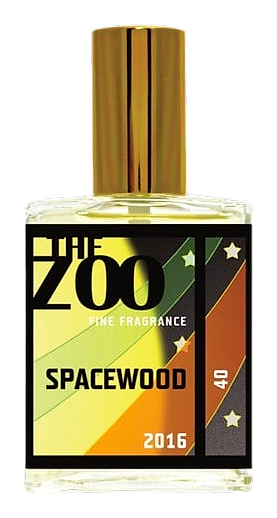
Spacewood launched in 2016 from The Zoo, a New York niche house where Christophe Laudamiel serves as the nose. The brief was simple and strange: a scent that helps you think forward, not back. A trampoline into the future, as the brand puts it. Mimosa, acacia, and white wine aren't nostalgic materials. They're bright, synthetic-leaning florals that read as manufactured color rather than a field. The whole thing is engineered to feel off-planet, weightless, and just slightly unreal. The composition feels deliberately synthetic-leaning, choosing materials that don't conjure a garden or a memory but instead a kind of luminous abstraction. Each note is deployed for its effect rather than its realism, and the result is a fragrance that seems to come from somewhere other than a meadow at dawn.
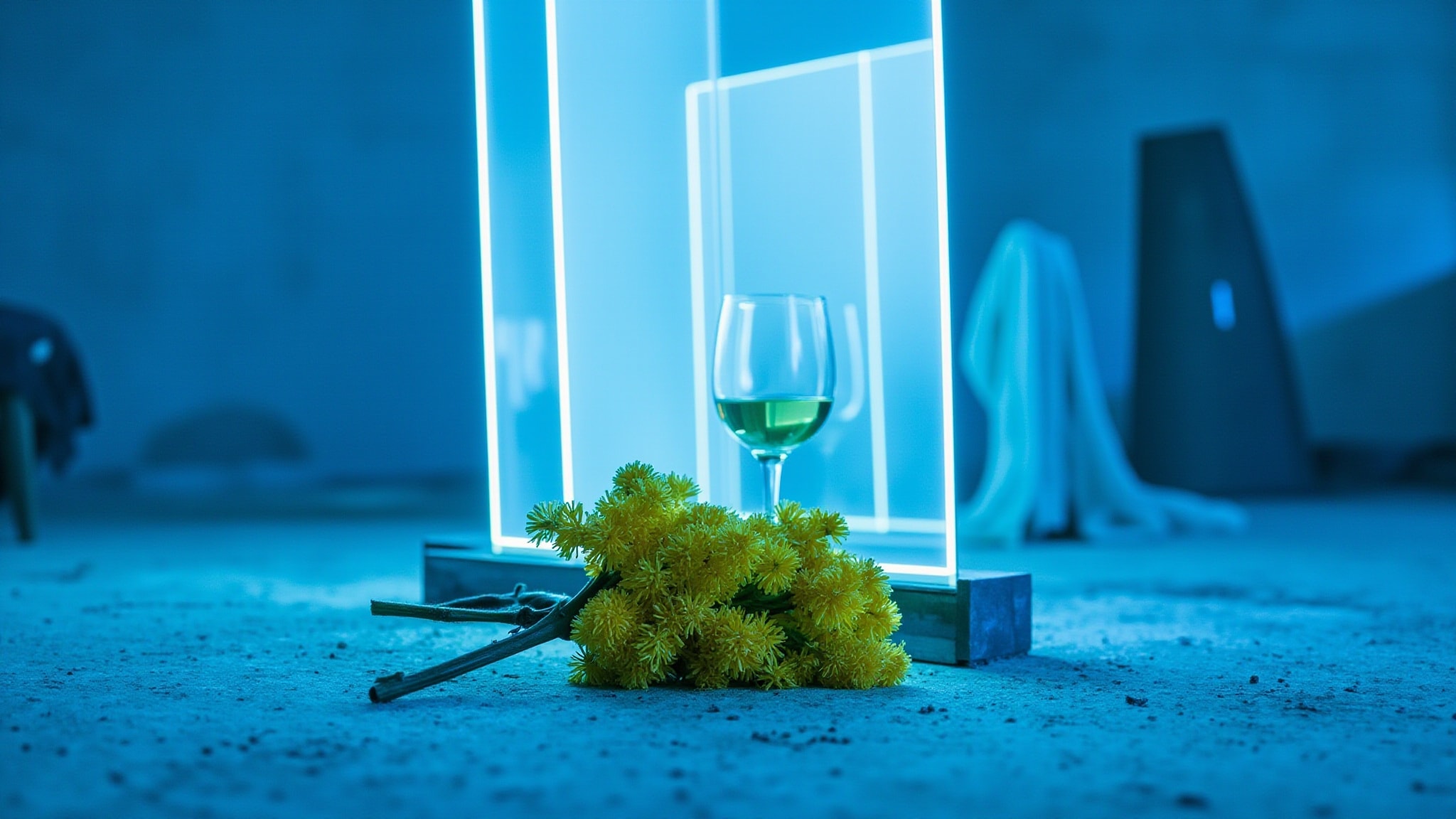
The interesting move is the mimosa. Egyptian mimosa specifically, which carries a character that smells more like a chemical signal than a natural flower. Laudamiel pairs it with acacia, then cuts the whole thing with a white wine accord that adds cool lift. The molecules doing the heavy lifting are doing what steel and glass do in a skyscraper: creating effects that nature alone wouldn't produce. The mimosa here acts less like a botanical extract and more like a frequency, pushed into registers that feel generated rather than gathered.
The evolution
The opening is the loudest part. A bright, almost metallic shimmer hits first, cold and sharp. It reads less floral than electric for the first stretch of wear. Then the mimosa settles in, that dense yellow sweetness, and the wine note starts to register, adding an almost sea-breeze quality to the dustiness. The honey and powder underneath build slowly. Eventually, the sharpness is gone. What remains is warm, waxy, slightly soapy, a quiet skin-scent that still carries a green flicker underneath. The drydown holds for an extended period on most skin, though it sits close after the opening phase fades. Later still: a faint trace of acacia and clean skin, barely there but unmistakable. The transition from electric opening to quiet base is where Spacewood does its most interesting work, moving through phases that each feel distinct yet connected.
Cultural impact
Spacewood sits in a category of one. It doesn't share DNA with mainstream florals or the oud-and-amber compositions that dominate niche collector shelves. For anyone tired of smelling like something edible or smoky, this is the alternative: bright, cold, and slightly alien. It has earned recognition among perfumery insiders who appreciate Laudamiel's molecular approach and don't need a traditional pyramid to feel oriented. The fragrance occupies rarefied air in a market that often rewards familiarity, offering instead something that feels genuinely exploratory.
The House
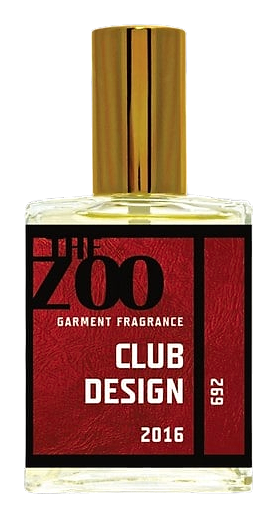
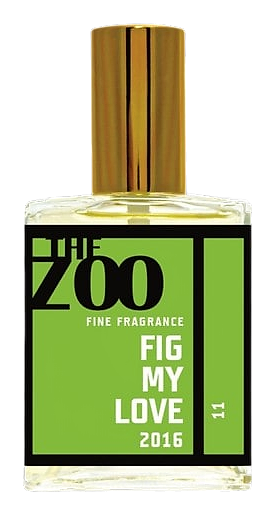
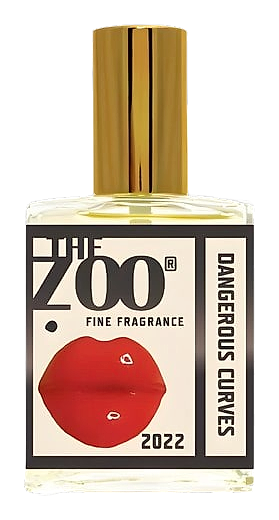
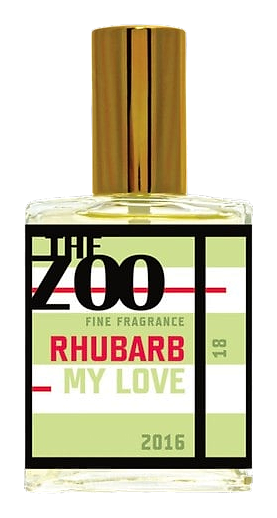
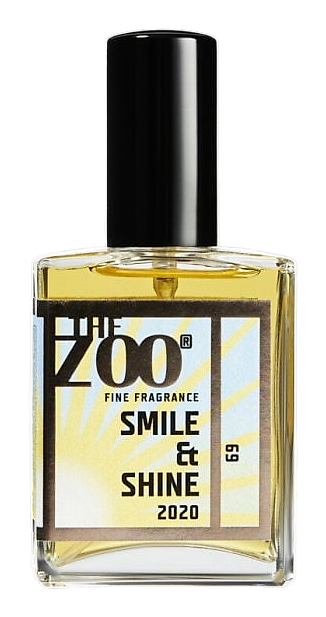
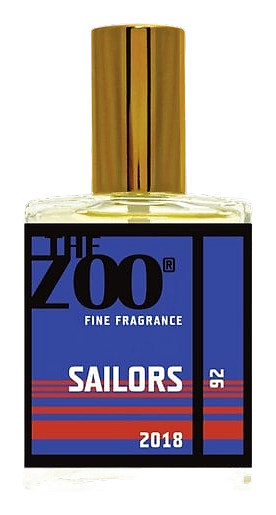
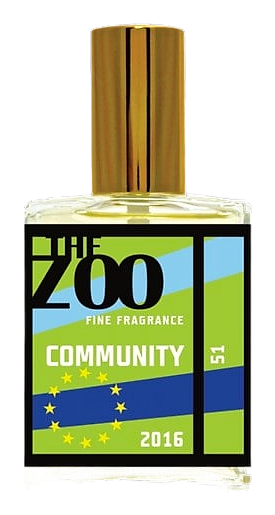
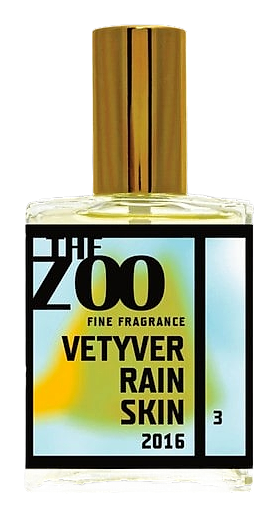
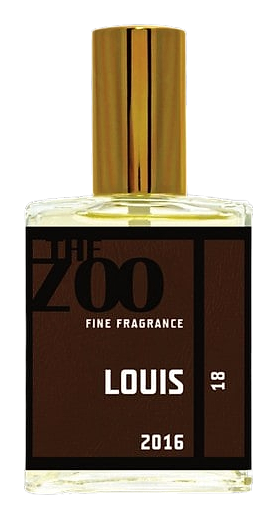
The ZooThe Zoo is a New York City-based niche fragrance house specializing in vintage-dated, millésimée perfumes. The brand has built a following among collectors and fragrance enthusiasts drawn to its unconventional approach to scent composition. Their catalog spans from 2010 through 2022, with fragrances ranging from the playful Kiki's Plant Sex to the more recent Dangerous Curves. Each release is bottled with vintage dating, a practice the brand has highlighted as central to its identity. The house operates outside the traditional fragrance industry channels, maintaining a distinct presence that appeals to those seeking scents that deviate from mainstream perfumery conventions.
The Creator
Christophe LaudamielChristophe’s signature technique blends rigorous molecular research with theatrical staging. He favors crisp citrus, marine accords, and bright aromatics, then anchors them with unconventional synthetics that add depth.