The Story
Why it exists.
The beginning
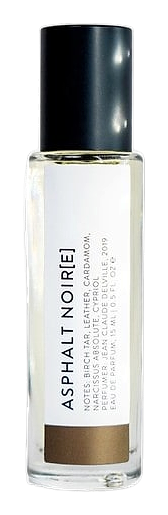
Jean-Claude Delville composed the fragrance around birch tar, one of perfumery's rougher building blocks, the smell of smoke distilled from actual wood bark. Birch tar carries the unmistakable scent of campfire and burnt road surface, a material that most compositions treat as a whisper rather than a focal point. The nose behind Asphalt Noir(e) built the formula with that tar note driving the structure, pairing it against florals and spices that could either tame it or collapse under its weight. The house positions this as a study in contrast: crude material refined into something wearable, a composition that doesn't apologize for its rougher edges.
Birch tar carries the unmistakable scent of campfire and burnt road surface, a material that most compositions treat as a whisper rather than a focal point. Here it leads, and narcissus absolute sits beside it, which is unusual. Narcissus brings a green, almost indolic sweetness, the kind of flower note that veers toward decay if you're not careful. Leather and cypriol round out the composition with their dryness, giving the smoke and floral a gritty counterweight that keeps everything from tipping into sweetness.
The evolution
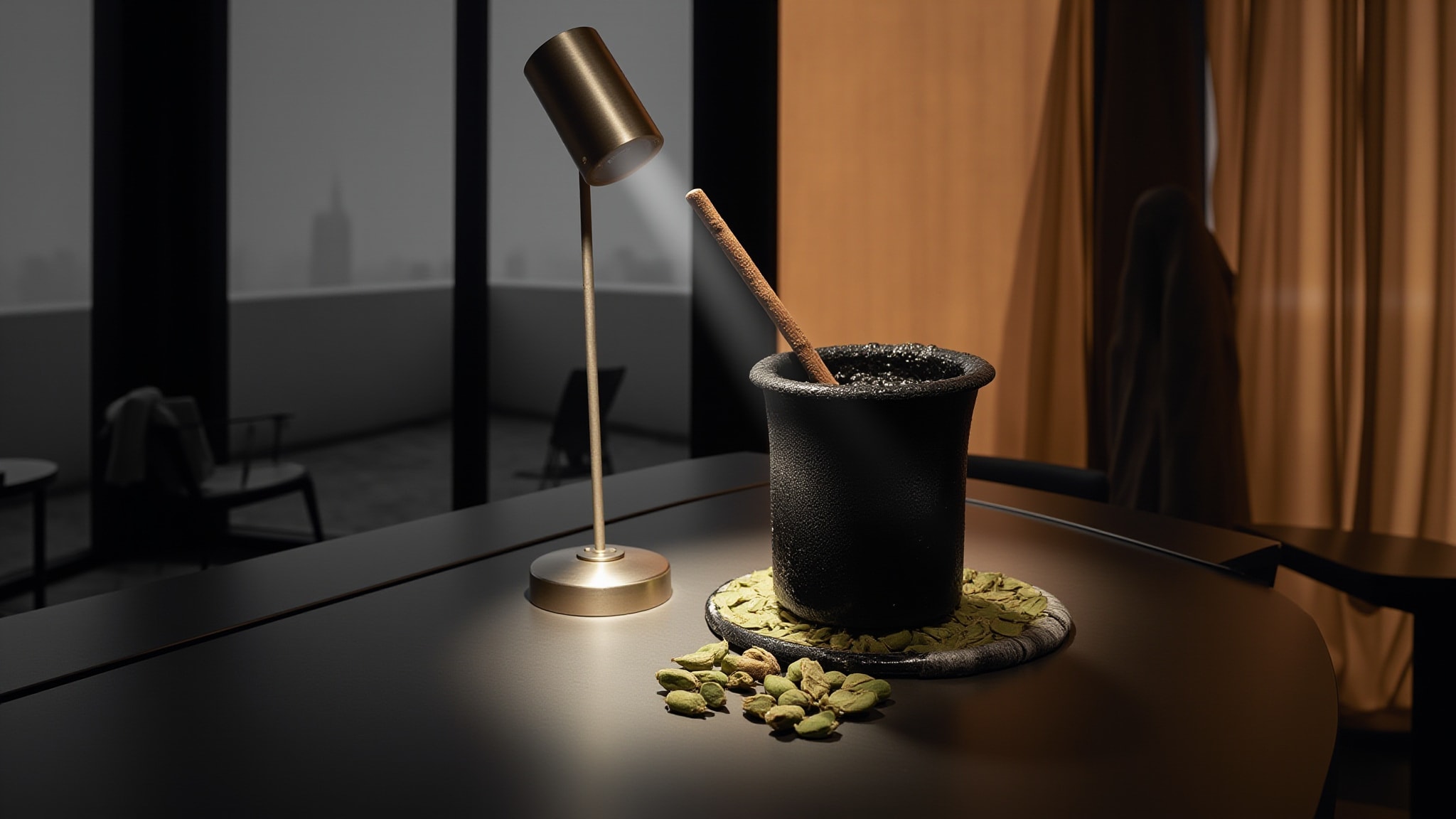
The first ten minutes smell like a road after rain, wet and tarry, with cardamom pressing through like a thumb against a bruise. The narcissus arrives early, curling around the smoke with something almost narcotic, sweet and cool at the same time. By the thirty-minute mark the leather has settled in, not a jacket but a glove left on a radiator, warm and slightly lived-in. The cypriol deepens the whole thing, adding a rooty, almost mineral dryness that keeps the sweetness honest. Two hours in, and the tar is still there but it has softened, folded into tonka's vanilla-adjacent warmth. The narcissus fades to a memory. By hour four you're wearing something closer to skin than to cologne, warm, woody, faintly floral at the edges.
Cultural impact
Asphalt Noir(e) sits in a small corner of niche perfumery, and its approach to birch tar gives it a distinct character among leather fragrances. Community wear data shows it skews toward cooler months and evening hours, with fall and winter drawing the most votes on platforms where users log their wearing patterns. The fragrance reads as a counterpoint to mainstream leather compositions that favour cleanliness and polish, and that contrast has shaped who gravitates toward it. People who track it down tend to be wearers already fluent in leather territory, looking for something with more smoke and less shine.