The Story
Why it exists.
The beginning
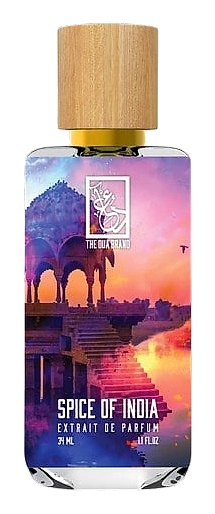
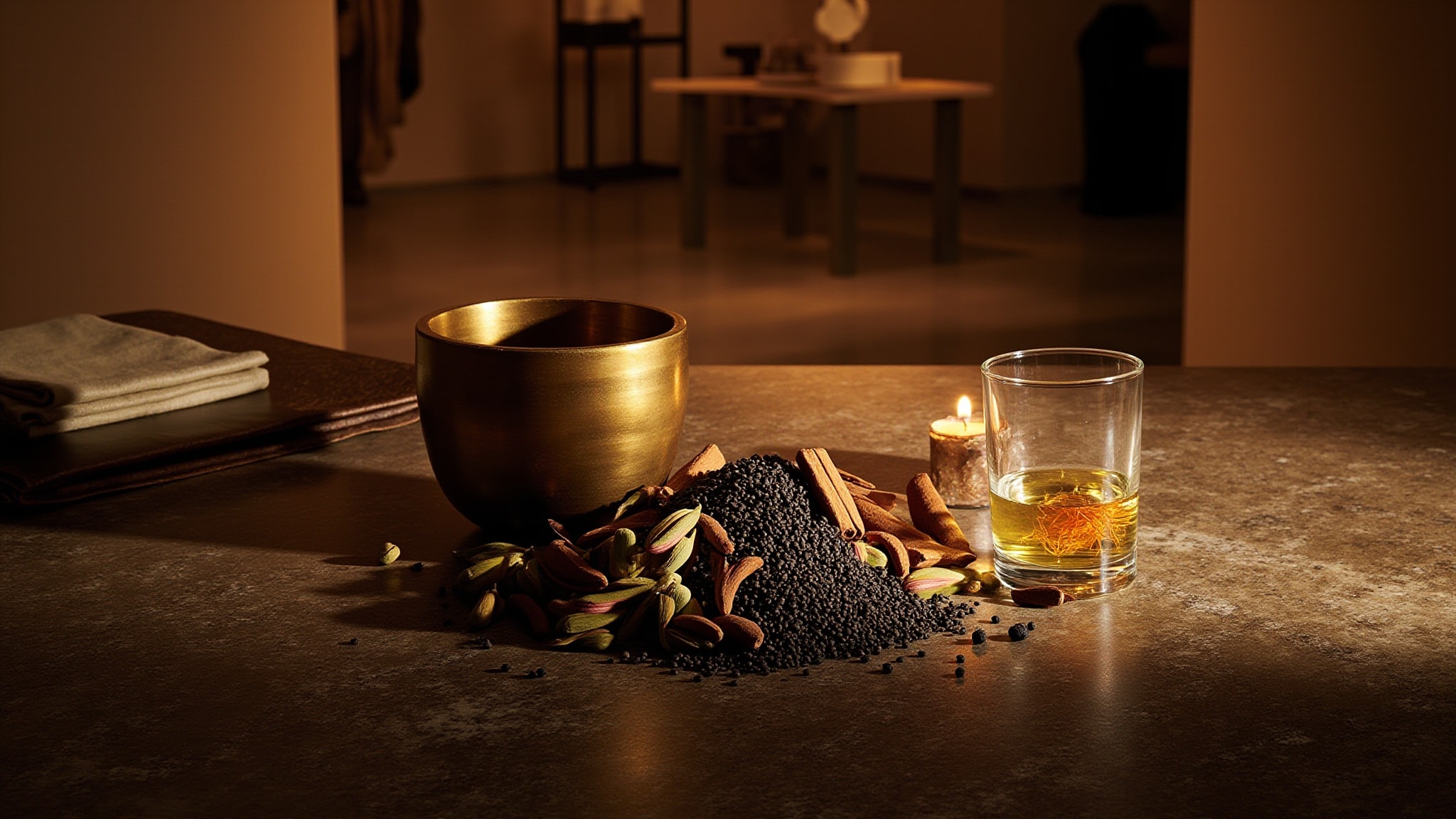
India has a cuisine that can stop a conversation, and Spice of India translates that into glass. Released in 2022 under The Dua Brand and composed by perfumer Ignacio Figueroa, the fragrance takes its cue from the layered warmth of masala rather than any single flower or wood. The premise is simple and a little audacious: build a scent the way a cook builds a curry, letting cinnamon, cardamom, cumin, and black pepper share the stage instead of pretending to be polite. Each spice brings its own temperature to the blend, and the trick is that none of them submits to the others. You get the dry heat of pepper sitting next to the sweeter, almost mentholated lift of cardamom, with cumin threading underneath like a quiet bass note.
This composition refuses the dessert route that so many warm fragrances default to. Cumin, a notoriously polarizing material in Western perfumery, sits alongside saffron and cinnamon in the opening salvo, which gives the scent an almost savory edge from the very first spray. That savory quality is what separates Spice of India from the syrupy, vanilla-forward crowd. The leather and suede in the composition are doing real work too, pulling the warmth away from gourmand territory and into something closer to a heavy jacket left on a chair.
The evolution
The opening is loud. Cardamom, cinnamon, and that cumin note arrive together, and for a brief window the fragrance smells closer to a kitchen than a cologne counter. It doesn't apologize for it. As the initial burst fades, the saffron rises and the spices stop competing with one another. They start blending into a single warm haze, and the leather underneath becomes more present, giving the composition a suede-jacket quality instead of a powdered-spice quality. The transition from sharp to soft is gradual, and you can almost feel the temperature of the scent dropping from bright to warm as the minutes pass. Eventually, the vanilla and sandalwood take over the base, and what remains is a soft, warm, slightly animalic drydown that hugs the skin. The sandalwood lends a creamy, woody fullness that smooths out the rougher edges the cumin introduced at the start.
Cultural impact
Spice of India draws on the ancient spice routes that shaped trade, cuisine, and ritual across South Asia for millennia. Black pepper, cardamom, cinnamon, and cumin each carry their own cultural weight in Indian kitchens and Ayurvedic practice, where they are valued as much for their warming, digestive qualities as for their aromatic depth. The composition nods to masala blends used in everything from chai to garam masala, while also recalling the incense and resinous woods burned in temples.