The Story
Why it exists.
The beginning
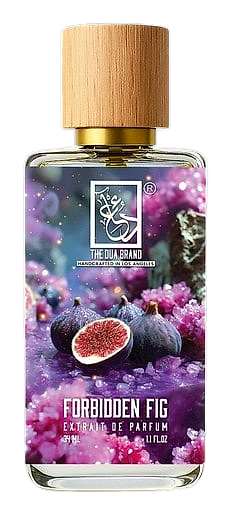
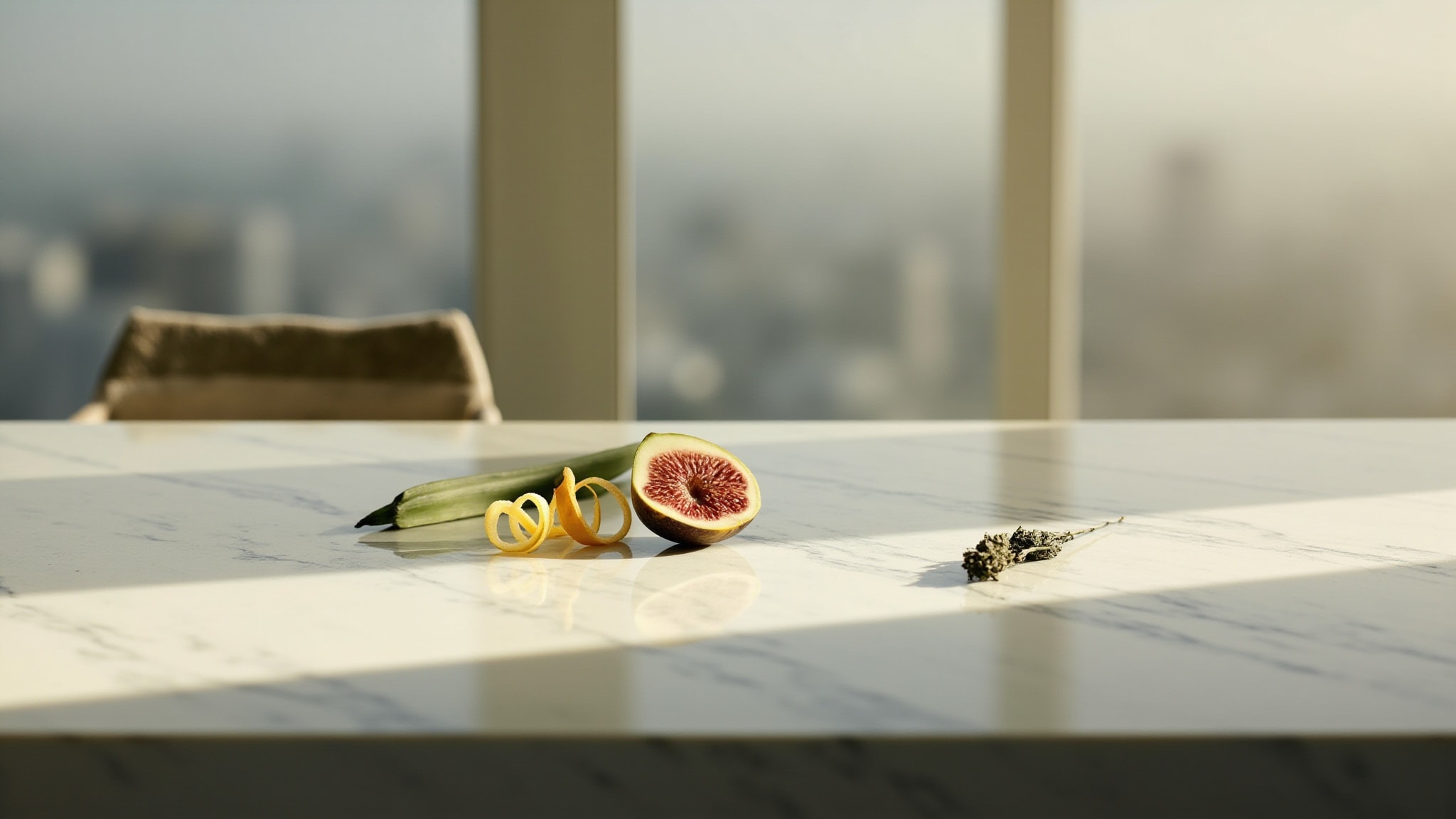
The name carries a particular kind of weight. Forbidden Fig doesn't reach for Mediterranean postcard imagery or the gourmand territory where fig usually gets buried under coconut milk and vanilla sweetness. The composition pulls toward something closer to the actual experience of biting into a fig straight from the branch, leaves still clinging, the air thick with green and latex and that fleeting sweetness that only exists for a moment before it spoils. That's the territory this fragrance occupies: fruit as it actually smells in the wild, not fruit as it's been dressed up for dessert menus. Bergamot zest opens with a bright, citric snap. Fig leaf brings the green, bitter, almost vegetable character that makes the fruit feel alive rather than candied.
What's striking here is the material honesty. The composition doesn't reach for sandalwood scaffolding or amber warmth to prop up the fruit. Fig leaf carries the green, bitter, almost vegetable side of fig without apologizing for it. Bergamot zest lifts the opening with a clean, citric brightness that reads like sunlight on skin. The fig heart stays pulpy and raw, closer to orchard fruit than confection. Muscovado sugar weaves through with a dark, burnt-edge sweetness, the kind of sweetness that comes from caramelization rather than from vanilla extract.
The evolution
The opening arrives with bergamot zest, bright and almost sharp enough to cut through ambient air, citric and green with a faint peppery edge. Within minutes, fig leaf unfurls, vegetal and slightly bitter, the green note that gives the composition its structural backbone and signals its allegiance to botanical realism over dessert abstraction. The heart introduces Kadota fig, jammy but unsweetened, carrying a quiet fleshy ripeness that feels pulled from a branch rather than a jar. As the fruit settles, muscovado sugar threads through with a dark, treacled sweetness, closer to burnt caramel than to white sugar, adding depth without tipping the composition into gourmand territory. The drydown brings vetiver, earthy and slightly smoky, anchoring the fig with rooty dampness, while ylang-ylang absolute surfaces as a creamy, almost waxy floral counterpoint that lingers on skin for hours.
Cultural impact
Forbidden Fig occupies a specific pocket in the broader fig conversation, one where the note gets treated as fruit rather than as a dessert ingredient. Most fig fragrances lean heavily into coconut, vanilla, and sandalwood scaffolding until the fig itself becomes incidental. This composition pulls in the opposite direction. The fig stays legible from opening to drydown, supported by a structure that respects its botanical complexity rather than smoothing it into confection. Wearers who gravitate toward it tend to be the ones who want fig to smell like fig, with all the green bitterness and pulpy ripeness that implies.