The Story
Why it exists.
The beginning
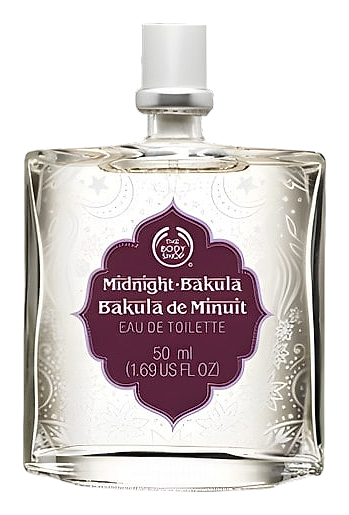
Midnight Bakula arrived in 2011 as part of The Body Shop's ethical fragrance collection. The name draws from the bakula flower, a fragrant bloom used in traditional contexts across South and Southeast Asia, lending the scent a sense of place and cultural grounding that distinguishes it from purely Western floral structures. The brief appears to have been simple: take ripe, sun-warm fruit and anchor it to something deeper. Nectarine delivers the sweetness. Patchouli delivers the counterweight. Rose and bakula flower thread between them, adding warmth and complexity that keeps the composition from tipping into something one-note. For a brand built on conscious consumption and transparent sourcing, Midnight Bakula represents the intersection of ethical ingredients and an unconventional fragrance, fruity without being juvenile, earthy without being heavy.
What makes this composition work is the tension between its materials rather than their harmony. Nectarine is a juicy, almost edible top note, bright, soft, prone to vanishing on dry skin. Patchouli is the opposite: dense, earthy, slow to release, known for grounding what surrounds it. In Midnight Bakula, these two are placed in close proximity rather than blended into a seamless whole. The result is a fragrance that smells like two different things depending on where you are in its arc. Early on, fruit leads. Later, earth takes over. The rose and bakula flower don't resolve the tension, they amplify it, adding floral sweetness that makes the patchouli feel warmer, not cleaner. This is not an accident.
The evolution
The opening hits like a ripe nectarine split open, sweet, slightly tart, with a soft fuzziness that no other fruit quite replicates. Rose hovers underneath, keeping the brightness from going sharp. This phase lasts anywhere from fifteen to forty minutes depending on skin chemistry. Then the handoff. Nectarine begins to recede and patchouli rises, earthier than expected, warm and balsamic with a faint medicinal edge that is part of the material's natural character. The transition is not seamless, there is a moment where the fragrance feels split, like two different scents occupying the same skin. It settles. Bakula flower adds a quiet, almost waxy floral depth that smooths the drydown into something powdery and close. Patchouli is the last material standing, but gentler now, more like a memory of earth than earth itself. On fabric, a faint trace remains into the next day. The fragrance is known for its brevity on skin, reapplication is part of the ritual if you want it to last. Some wearers consider this a feature.
Cultural impact
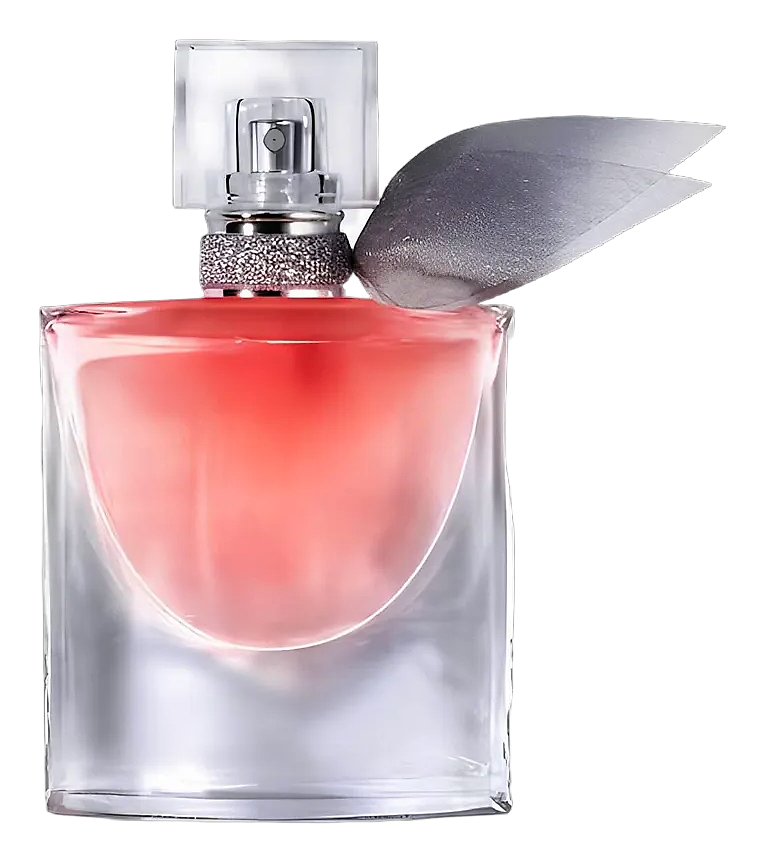
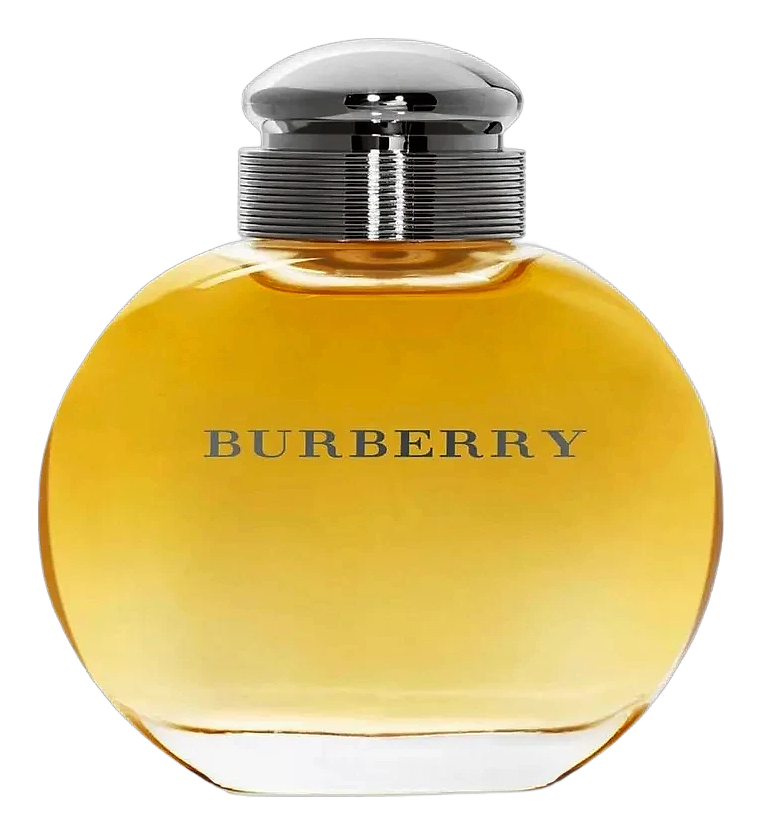
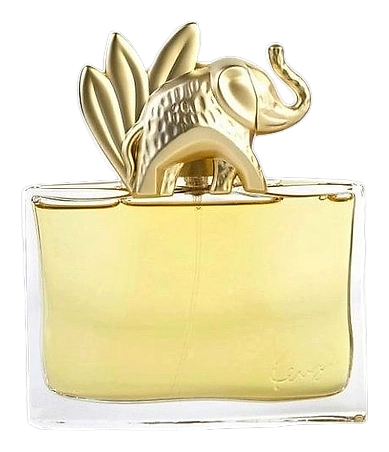
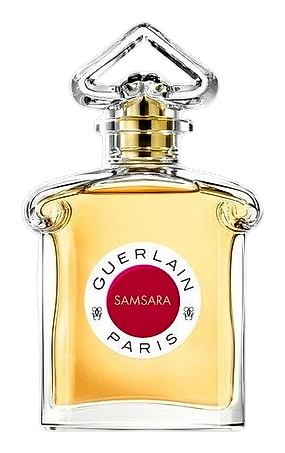
Midnight Bakula occupies a specific corner of the fragrance world: ethical, accessible, and unconventionally structured. Released in 2011, it predates the indie and niche fragrance boom but shares its sensibility, patchouli and rose are familiar territory in that world, but the addition of nectarine and bakula flower gives it a distinct character. The fragrance earned a devoted following for its unusual fruit-earth pairing, with wearers frequently comparing it to Midnight Poison, Angel, and Coco Mademoiselle, all patchouli-adjacent compositions that occupy a similar mood.