Bakula Flower
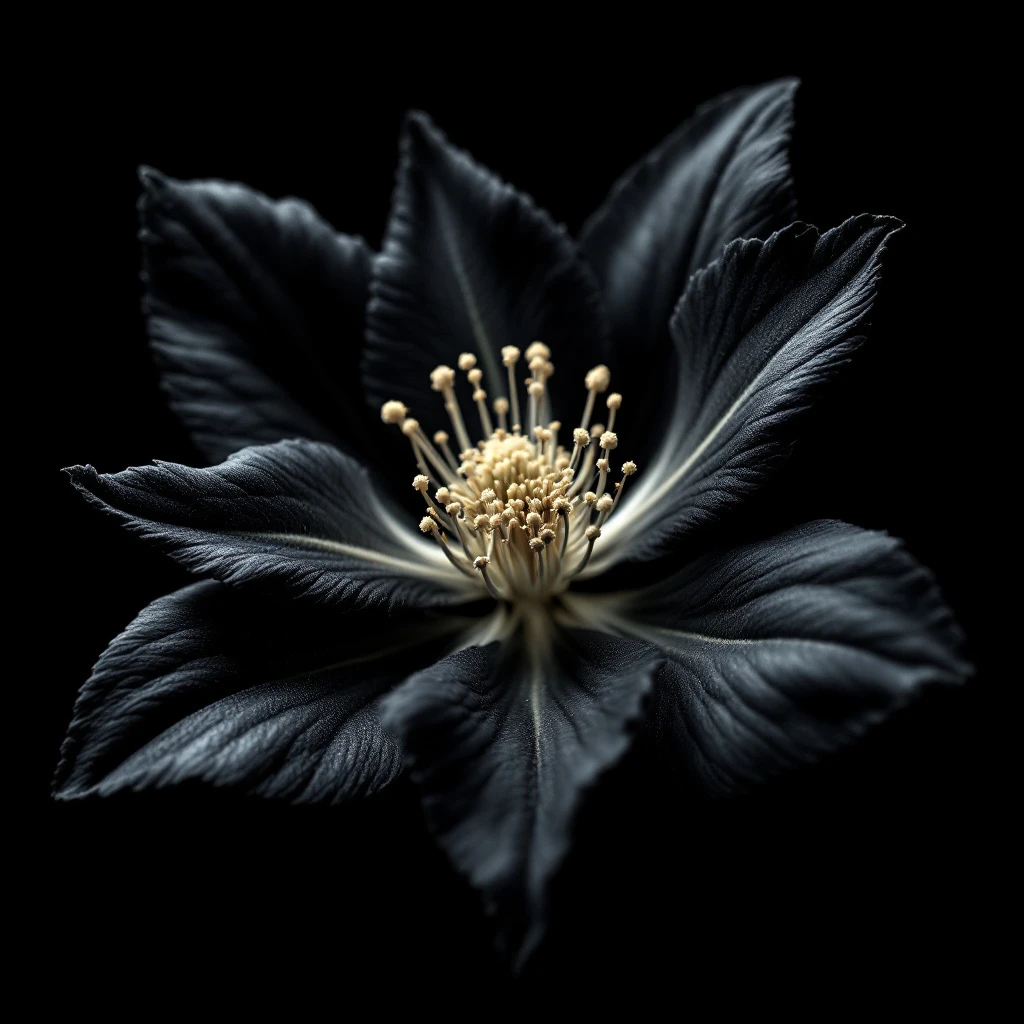
Often called the 'temple flower' of South Asia, Bakula offers an intoxicating sweetness reminiscent of gardenia and tuberose. Its nocturnal bloom and heady, lingering scent have made it sacred for centuries.
Character
How it smells
The moonlit bloom of South Asian perfumery.
Bakula flowers release their fragrance only after sunset, when the cooling air activates their aromatic compounds.
Pairs beautifully with


Origin
India
Mimusops elengi, commonly known as Bakula, holds deep roots in South Asian cultural and medicinal traditions spanning over two millennia. Ancient Ayurvedic texts documented the bark, leaves, and flowers for their therapeutic properties, prescribing them for oral health and inflammation. Hindu and Buddhist traditions elevated the flower to sacred status, adorning temple altars and religious ceremonies with its fragrant blooms.
The tree grows wild across India's western coastal regions, Sri Lanka, and Southeast Asia, thriving in tropical climates. While Western perfumery largely overlooked Bakula until recent decades, local artisans across Karnataka, Kerala, and Maharashtra have long pressed its blooms into hair oils, infused them into bathing waters, and strung them into garlands. The flower's night-blooming habit reflects its evolutionary adaptation to attract moth pollinators, a trait that also concentrates its aromatic compounds during evening hours.
This nocturnal rhythm gave rise to the practice of night harvest, preserving the peak fragrance moment that perfumers seek. As global interest in rare and regional natural ingredients grows, Bakula has begun appearing in niche fine fragrances as a distinctive floral note that sets compositions apart from conventional ingredient lists.
Wears it best
Fragrances featuring Bakula Flower
Brands
Brands known for Bakula Flower
Good to know
Questions, answered
The essentials on Bakula Flower in perfumery: how it smells, where it comes from, and how it behaves on skin.
What does Bakula Flower smell like?
Bakula delivers a sweet, heady floral scent resembling gardenia and tuberose. It carries tropical warmth with a creamy, slightly fruity undertone and excellent sillage. The fragrance is most pronounced during night bloom.
Is Bakula Flower used in mainstream or niche perfumery?
Primarily niche and artisanal perfumery. Its rarity and extraction challenges keep it from mass-market formulas. Several Indian and international independent houses feature it as a signature regional ingredient.
What extraction method works best for Bakula flowers?
Solvent extraction preserves Bakula's delicate scent without heat degradation. Enfleurage has been attempted historically but yields lower volumes. The absolute method is the industry standard for this fragile night-blooming flower.
Is Bakula Flower a natural or synthetic ingredient?
Bakula Flower is exclusively natural. No widely accepted synthetic equivalent reproduces its full aromatic complexity. Some accord builders attempt approximation using jasmine and gardenia materials, but the genuine article remains distinct.
What fragrance families pair well with Bakula?
Bakula complements woody bases like sandalwood and vetiver, other florals including ylang and jasmine, and warm orientals with amber or frankincense. Its tropical sweetness balances cooler aromatic notes effectively.
What regions are known for producing Bakula Flower absolute?
India and Sri Lanka are the primary producers. Southern Indian states including Kerala, Karnataka, and Maharashtra cultivate the trees for both ornamental and commercial purposes. Harvesting occurs during the monsoon cycle when blooms are most abundant.
How much Bakula absolute does typical perfumery production require?
Bakula absolute is highly concentrated. Perfumers typically use between 0.5% and 3% in a fragrance composition. Small quantities deliver significant olfactory impact due to the ingredient's intensity.
Are there safety concerns with Bakula Flower absolute?
IFRA guidelines classify Bakula absolute as safe for cosmetic use when properly diluted. Standard precautionary measures apply: avoid undiluted skin application, and discontinue use if irritation occurs. Pregnant individuals should consult a physician before use.




