The Story
Why it exists.
The beginning
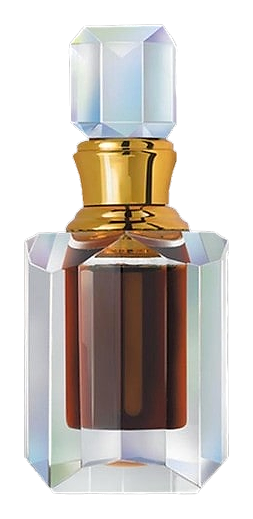
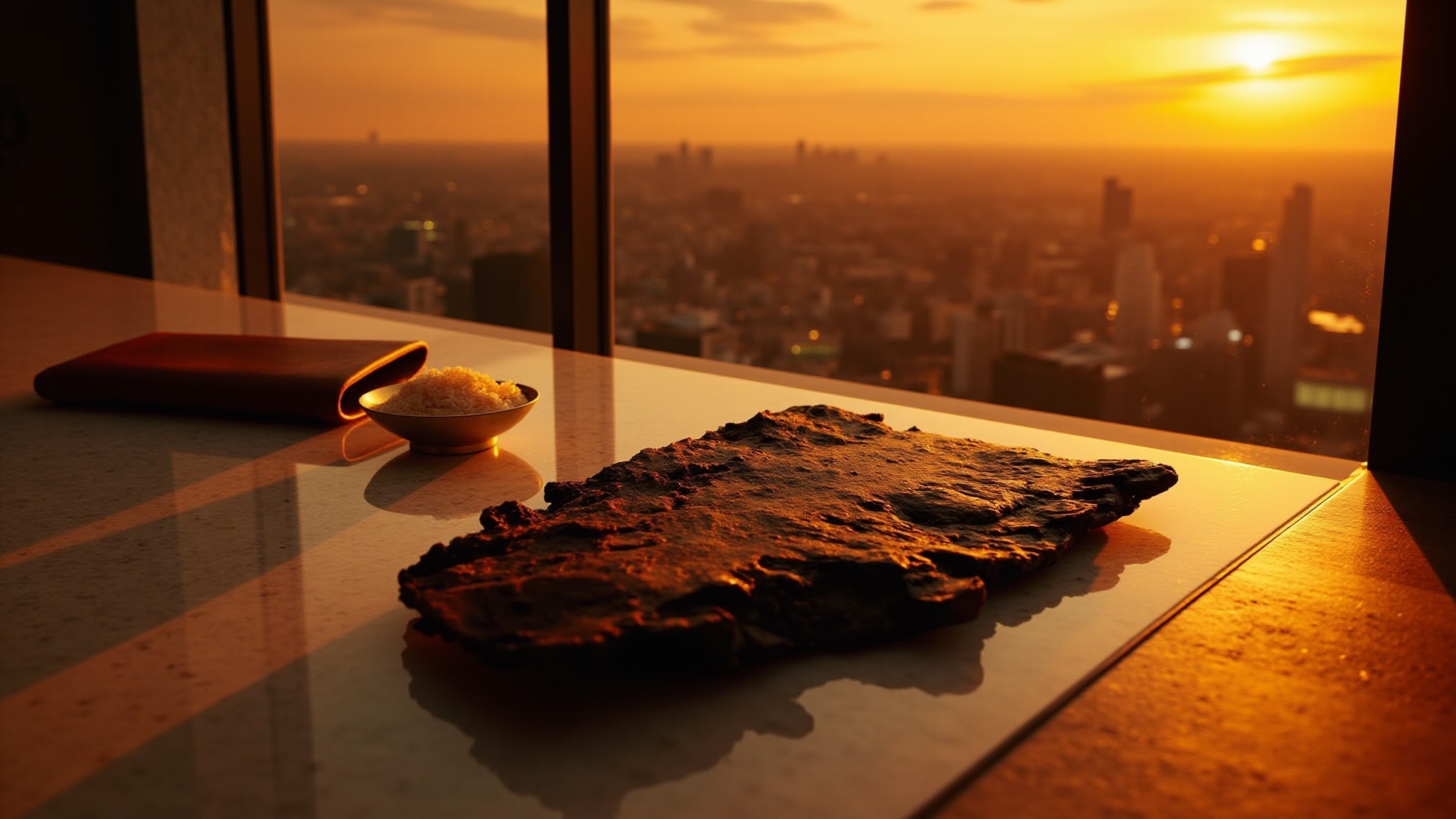
Dehn el Ood Nashwa reads as an indulgent oud composition from the opening spray. The fragrance opens with a blast of fruit sweetness that announces itself immediately, layering jammy plum and ripe berry notes over a thread of warm spice. As those top notes settle, the agarwood begins to assert itself, rising through the sweetness with a resinous, animalic richness characteristic of high-grade oud. The interplay between the sugary fruit and the dense wood creates a tension that defines the first hour of wear. In the drydown, the composition mellows into a softer base of amber, musk, and lingering wood resin, with the fruit receding into a dried-fruit sweetness rather than disappearing entirely.
What separates this from a straight oud oil is the deliberate sweetness up top. Sugar and fruit notes are not common openers in traditional Arabian perfumery, where the wood usually leads from the first spray. Here, they cushion the entry, almost like a diplomatic handshake before the agarwood shows its true weight. The musk and amber in the heart bridge that gap, pulling the composition toward something powdery and almost confectionery before the oud reasserts itself at the base. It's a structure that borrows from Western gourmand logic and grafts it onto a Middle Eastern skeleton. The two halves never fully resolve into one mood. That's the point.
The evolution
The first five minutes are the loudest. Sugar reads almost crystalline, the fruit notes blurring into something like spiced plum or date syrup, all brightness and lift. By the 15-minute mark, the musk and amber arrive and the temperature drops a few degrees. The leather surfaces quietly here, more worn suede than fresh hide. Around the 90-minute mark, the oud takes over. It's not aggressive, not the barnyard variety, but a clean, woody agarwood with a faint medicinal edge. That woody-oud base holds steady for the next 4-5 hours, slowly losing the leather and amber but keeping the warmth. What remains on skin by hour six is a close, woody sweetness, the kind of scent that survives on a scarf the next morning without changing shape.
Cultural impact
Nashwa sits at the sweeter end of the oud spectrum, a choice that shapes who tends to reach for it. The composition leans into fruit-forward sugar from the opening, softening the often-austere edges of raw agarwood with jammy, almost candied sweetness. That sweetness never fully recedes, even as the wood dries down into a resinous base of amber and musk. In cooler weather, the warmth of the oud and the density of the base notes create a comforting cocoon of scent, and the sweetness reads as appropriate rather than cloying.