
The Story
Why it exists.
The beginning
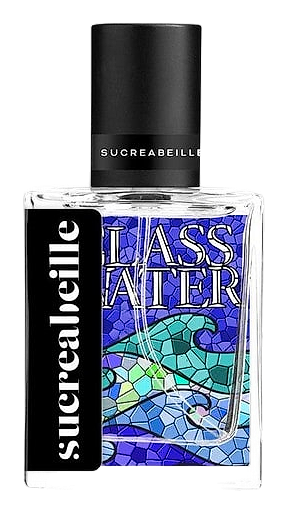
Glasswater was born from Sucreabeille's Winter collection, a seasonal release built for the months when forests go quiet and the rain turns mineral. It's the kind of scent that doesn't perform winter. It just sits in it. The brand, known for narrative-driven compositions brewed in their small laboratory, frames Glasswater as a snapshot of a specific moment: the first freeze, everything reduced to water and silence. Not a fantasy retelling. Not a pop-culture nod. Just weather, rendered in scent. The composition treats cold as a material, something you can layer and shape with notes rather than a backdrop. Sucreabeille has built a reputation for building scents around stories, and Glasswater reads like one of their quieter chapters, the kind that lingers after the bottle's been put away.
The interesting move here is the oud. Sucreabeille drops sweet oud into the middle of the composition, where it warms the petrichor from underneath. Douglas fir brings the conifer backbone, that green resinous crackle that smells like winter without leaning artificial. Ginger and coriander sharpen the edges, giving the whole composition a faint clean burn at the top that keeps the aquatic notes from reading flat. The white amber base is what keeps it from reading as a cold shower; it adds just enough skin-warmth to make the whole thing wearable.
The evolution
Glasswater opens with a sharp, almost metallic brightness. The water notes hit first, clean and unapologetic, followed quickly by Douglas fir that smells like cracking a green branch in January. Ginger threads through, giving the opening a faint, clean heat that cuts against the cold. Then something shifts. The coriander softens, the aquatic notes pull back, and the oud rises underneath, sweet and resinous, warming the petrichor into something that reads as rain rather than frozen pavement. As the composition settles, the fir fades to a ghost, and the base carries traces of snow and ginger. The sillage stays moderate, a clean skin-close bubble rather than a room-filler. On fabric the next morning, it reads as a faint mineral musk: cold water, amber, the memory of fir.
Cultural impact
Glasswater sits in a specific corner of the indie fragrance world: the seasonal release, the atmospheric composition, the scent-as-mood-piece rather than scent-as-accessory. It appeals to early mornings, quiet days, and the kind of moments when you want to smell like a place rather than a product. The oud-amber base gives it a warmth that keeps the composition grounded, and the petrichor note does the atmospheric work without tipping into novelty. It's a scent that rewards slow wearing, the kind you put on and then notice hours later when it has settled into the skin.